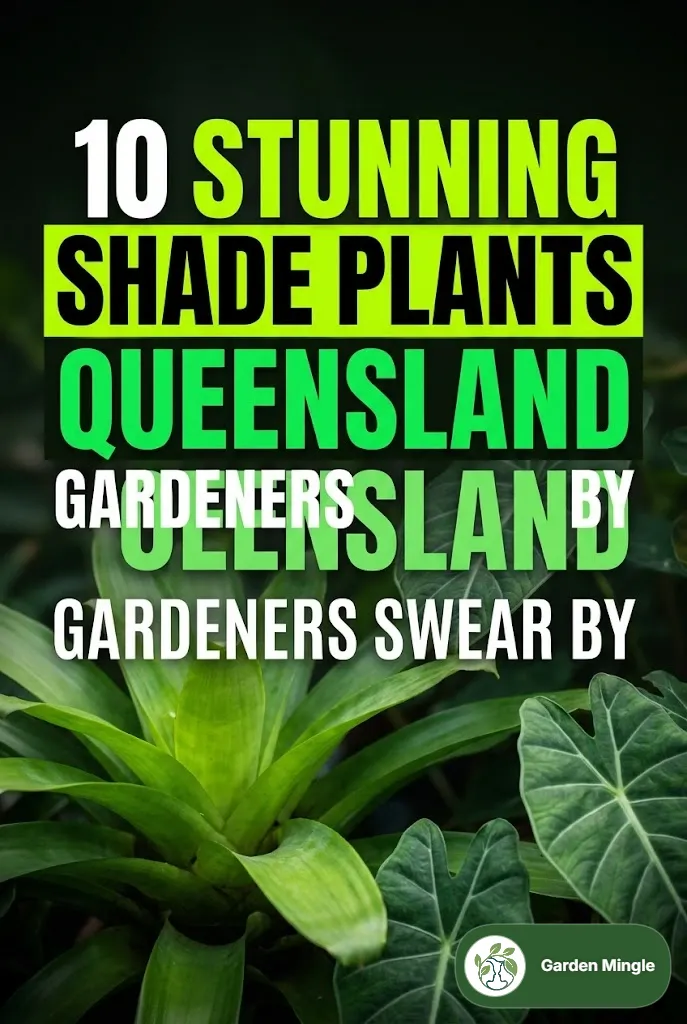

- 10 Stunning Shade Plants Queensland Gardeners Swear By - June 25, 2026
- Stop Hair Loss: 10 Easy-to-Grow Herbal Plants for Hair Growth - June 25, 2026
- Top 10 Healing Herbal Plants for Skin You Need in Your Garden - June 25, 2026
Creating a vibrant garden in the sunny state of Queensland can be a challenge, especially when it comes to shaded areas. Many gardeners struggle to find plants that thrive in low-light conditions while still adding color and texture to their landscapes. Fortunately, there are stunning shade-loving plants that not only flourish in these environments but also enhance the beauty of your garden. Let’s explore 10 remarkable shade plants that Queensland gardeners swear by, perfect for brightening up those darker corners of your outdoor space.
Quick Answer
If you’re looking for beautiful shade plants in Queensland, consider options like fiddle leaf fig, Japanese maple, and hostas. These plants thrive in low-light conditions and bring unique aesthetics to shaded areas.
1. Fiddle Leaf Fig (Ficus lyrata)
The fiddle leaf fig is a favorite among many gardeners for its large, glossy leaves that create a dramatic focal point. This plant can grow quite tall, making it ideal for filling vertical space in shaded areas. It prefers indirect light, making it a perfect choice for those tricky spots.
- Care Tips: Water when the top inch of soil is dry. Avoid overwatering to prevent root rot.
- Common Mistake: Placing it in direct sunlight can scorch the leaves.
2. Japanese Maple (Acer palmatum)
Known for its stunning foliage, the Japanese maple is a showstopper in any garden. Its delicate leaves come in various colors, ranging from deep red to bright green, adding seasonal interest. This tree thrives in partial shade, making it well-suited for Queensland gardens.
- Care Tips: Ensure well-drained soil and protect it from harsh winds.
- Pro Tip: Prune lightly to maintain its shape and encourage healthy growth.
3. Hostas
Hostas are the queens of shade gardens, offering a variety of sizes and leaf colors. From striking blues to vibrant greens and even variegated types, hostas can create a lush, layered look in your garden. They thrive in shaded areas and are generally low-maintenance.
- Care Tips: Mulch around them to retain moisture and suppress weeds.
- Common Mistake: Forgetting to protect them from snails and slugs, which love to munch on their leaves.
4. Bleeding Heart (Dicentra spectabilis)
With its unique heart-shaped flowers, the bleeding heart adds a whimsical touch to shaded areas. This perennial blooms in spring and can thrive in both full shade and partial sun, making it a versatile choice for any Queensland garden.
- Care Tips: Keep the soil consistently moist but not soggy.
- Pro Tip: Plant them near a path or seating area to enjoy their beauty up close.
5. Ferns
Ferns are a staple in shaded gardens. Their lush foliage adds texture and a sense of tranquility. There are many varieties, such as the maidenhair and bird’s nest ferns, each with unique characteristics that can enhance your garden’s aesthetic.
- Care Tips: Most ferns prefer humid environments, so mist them regularly if your area is dry.
- Common Mistake: Placing ferns in direct sunlight can cause leaf burn.
6. Caladiums
Caladiums are known for their stunning, colorful leaves that come in various patterns. This tropical plant thrives in the shade and is perfect for adding a splash of color to any garden. They work well in pots or as border plants.
- Care Tips: Water consistently to keep the soil moist but ensure good drainage.
- Pro Tip: Plant them in clusters for a more dramatic visual impact.
7. Impatiens
For a burst of color, impatiens are hard to beat. These annuals bloom profusely in shady areas and come in a variety of colors. They are perfect for filling in gaps in flower beds or adding color to pots and hanging baskets.
- Care Tips: Regular watering is essential, especially during hot weather.
- Common Mistake: Avoid letting them dry out between waterings.
8. Coral Bells (Heuchera)
Coral bells are appreciated for their colorful foliage and delicate flowers. They come in various shades, including shades of purple, red, and green, making them a great choice for adding depth to your garden. They thrive in partial shade and are perfect for borders or containers.
- Care Tips: Ensure they have well-draining soil to prevent root rot.
- Pro Tip: Deadhead the flowers to encourage more blooms throughout the season.
9. Azaleas
Azaleas are classic shrubs that provide stunning blooms in spring. They thrive in partial shade and can fill your garden with vibrant colors. These plants vary in height, making them suitable for both small and large gardens.
- Care Tips: Acidic soil is best for azaleas, so consider adding mulch made from pine needles.
- Common Mistake: Overwatering can lead to root problems, so allow the soil to dry out slightly between waterings.
10. Peace Lily (Spathiphyllum)
The peace lily is a popular indoor plant, but it also does well in outdoor shaded areas. Its glossy leaves and elegant white flowers make it a beautiful addition. Plus, it’s known for its air-purifying properties.
- Care Tips: Keep the soil moist but not soggy, and give it a bit of fertilizer during the growing season.
- Pro Tip: Wipe the leaves occasionally to keep them clean and healthy.
Expert Tips for a Thriving Shade Garden
Creating a successful shade garden involves more than just choosing the right plants. Here are some expert tips to ensure your garden thrives:
- Layer Your Plants: Use a combination of heights and textures to create visual interest.
- Improve Soil Quality: Enrich your soil with organic matter to help plants thrive in shaded conditions.
- Consider Microclimates: Observe how light behaves in your garden to place plants where they’ll do best.
Common Questions
What are the best planting conditions for shade plants?
Most shade plants prefer well-drained soil, consistent moisture, and protection from harsh winds. Assess your garden’s microclimates for optimal placement.
Can I use shade plants in full sun?
While some shade plants can tolerate partial sun, most will struggle in full sun. Always check specific care requirements for each plant.
How often should I water shade plants?
Watering frequency will depend on the plant type and soil conditions. Generally, keep the soil consistently moist but not waterlogged.
Conclusion
Incorporating shade plants into your Queensland garden not only enhances its beauty but also creates a serene and inviting atmosphere. By selecting from these 10 stunning plants, you can transform shaded areas into lush retreats. So, roll up your sleeves and start planting—
Leave a Reply