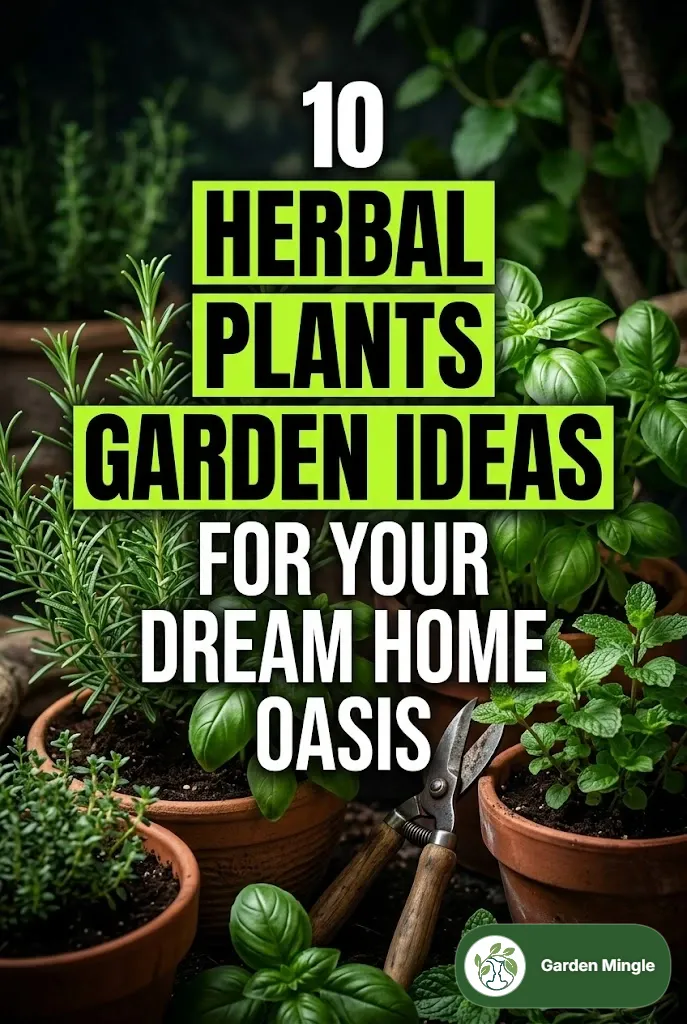

- 10 Herbal Plants Garden Ideas for Your Dream Home Oasis - June 24, 2026
- Easy Guide: Growing Oregano Herbal Plants in Your Kitchen - June 24, 2026
- 10 Amazing Herbal Plants Benefits for Your Wellness Journey - June 24, 2026
Creating a serene garden filled with herbal plants can transform your outdoor space into a tranquil oasis. Not only do herbs enhance the beauty of your garden, but they also offer culinary and medicinal benefits. Imagine stepping into your backyard and being greeted by the aromatic scents of basil, rosemary, and mint. Whether you have a sprawling yard or a small balcony, there are countless ways to incorporate herbs into your home garden. Here are ten inspiring herbal plants garden ideas to help you design your dream home oasis.
1. Raised Herb Beds
Raised beds are a fantastic way to cultivate herbs, especially if you have limited space. They improve drainage and allow for better soil control. Plus, they can be built to any height, making gardening accessible for everyone.
Building a Raised Bed
- Choose a sunny location that receives at least 6-8 hours of sunlight.
- Use rot-resistant wood like cedar or composite materials.
- Fill with high-quality soil mixed with compost for nutrient-rich growth.
2. Vertical Herb Garden
If space is at a premium, consider a vertical herb garden. This method not only saves space but also adds a stunning visual element to your garden or balcony.
Creating a Vertical Garden
- Use wall planters, hanging pots, or a trellis system.
- Choose herbs that grow well vertically, such as thyme or climbing varieties of peas.
- Ensure consistent watering and sunlight for optimal growth.
3. Herb Spiral
The herb spiral design is both functional and visually appealing. This permaculture technique allows for a variety of herbs to thrive in one compact space.
Designing Your Herb Spiral
- Create a spiral shape using stones or bricks to form the walls.
- Plant herbs that require different moisture levels, placing moisture-loving plants at the bottom and drought-tolerant ones at the top.
- Add layers of compost and mulch to retain moisture and nutrients.
4. Container Herb Garden
Container gardening is an ideal choice for those with limited outdoor space or for renters. You can arrange pots in various designs or patterns, making it easy to create a personalized herb garden.
Choosing Containers
- Select pots with drainage holes to prevent waterlogging.
- Mix different sizes and shapes for visual interest.
- Consider using self-watering containers for convenience.
5. Herb and Flower Companion Planting
Companion planting is a gardening technique that involves growing plants together for mutual benefits. Combine herbs with flowers to create a lush, biodiverse garden.
Best Combinations
- Plant basil alongside tomatoes for improved flavor and pest control.
- Grow marigolds with various herbs to deter pests naturally.
- Mix lavender with rosemary to create a fragrant, resilient garden.
6. Culinary Herb Garden
Design a garden focused on culinary herbs that you frequently use in your cooking. This not only enhances your meals but also encourages you to spend more time in your garden.
Essential Culinary Herbs
- Basil: Perfect for pesto and salads.
- Parsley: A versatile garnish and flavor enhancer.
- Chives: Adds a mild onion flavor to dishes.
7. Medicinal Herb Garden
Creating a medicinal herb garden can provide natural remedies for common ailments. This type of garden promotes wellness and self-sufficiency.
Popular Medicinal Herbs
- Chamomile: Known for its calming effects.
- Echinacea: Boosts the immune system.
- Mint: Helps with digestion and can soothe headaches.
8. Herb Garden with a Theme
Consider creating an herb garden with a specific theme, such as a Mediterranean or Asian herb garden. This approach adds a unique flair to your outdoor space.
Theme Ideas
- Mediterranean: Include herbs like oregano, thyme, and rosemary.
- Asian: Incorporate cilantro, lemongrass, and Thai basil.
9. Edible Landscaping
Integrate herbs into your overall landscape design. This method not only beautifies your yard but also makes it functional.
Incorporating Herbs into Landscaping
- Use herbs as border plants around flower beds.
- Mix herbs into ornamental gardens for a pop of color and texture.
- Plant herbs in pathways for easy access while cooking.
10. Herb Garden for Pollinators
Create an herb garden that attracts beneficial insects and pollinators. This approach enhances biodiversity and supports the ecosystem.
Pollinator-Friendly Herbs
- Bee Balm: Attracts bees and butterflies.
- Thyme: Provides nectar for various pollinators.
- Lavender: A favorite among bees and a beautiful addition to any garden.
Expert Tips for a Thriving Herb Garden
- Regularly prune your herbs to encourage bushiness and prevent flowering.
- Rotate your herbs each season to maintain soil health and prevent pests.
- Water your herbs early in the morning to reduce evaporation.
Common Questions
1. What herbs are easiest to grow for beginners?
Basil, parsley, and mint are excellent options for novice gardeners due to their hardiness and low maintenance needs.
2. How often should I water my herb garden?
Herbs generally prefer well-drained soil and should be watered when the top inch of soil feels dry. Avoid overwatering.
3. Can I grow herbs indoors?
Absolutely! Many herbs, like basil and chives, thrive indoors on a sunny windowsill.
Conclusion
With these ten herbal garden ideas, you can create a beautiful, functional space that enhances your home and lifestyle. Whether you’re looking to cook with fresh ingredients, find natural remedies, or simply enjoy the beauty of your garden, herbs can fulfill all these desires. So roll up your sleeves, get your hands in the soil, and start planting your dream herbal oasis today!
Leave a Reply