
- Propagating Succulent Leaves in Water: The Definitive Guide - August 16, 2026
- Succulent Pot Size Guide: 8 Things You Need To Know - August 16, 2026
- How to Prune a Succulent? (Complete Guide) - August 16, 2026
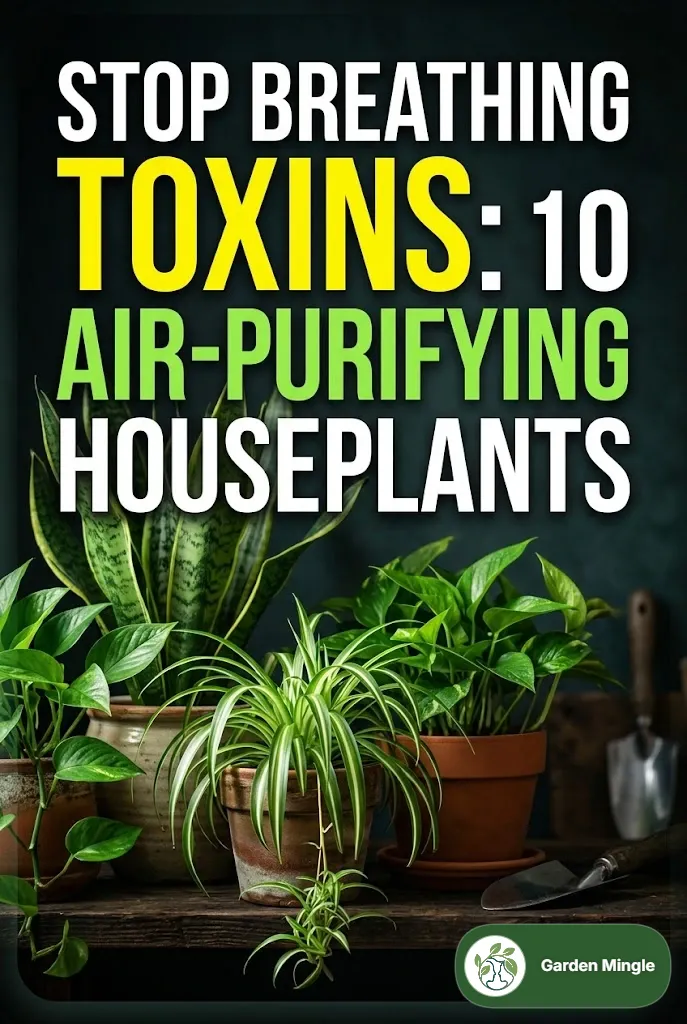
In today’s world, where air pollution levels are rising and indoor spaces often harbor toxins, having a breath of fresh air is more important than ever. You might be surprised to learn that certain houseplants can significantly improve the air quality in your home. By incorporating air-purifying plants into your living space, you can reduce harmful pollutants while enjoying the beauty of nature indoors. Here, we will explore ten exceptional houseplants that not only enhance your décor but also help you breathe easier.
Quick Answer
To stop breathing toxins indoors, consider adding air-purifying houseplants such as the Snake Plant, Spider Plant, and Peace Lily to your home. These plants filter out common pollutants, improving air quality and creating a healthier living environment.
Top 10 Air-Purifying Houseplants
1. Snake Plant (Sansevieria trifasciata)
The Snake Plant, also known as Mother-in-Law’s Tongue, is a hardy plant that thrives on neglect. It features tall, upright leaves that can grow up to 3 feet tall. This plant is particularly effective at filtering formaldehyde, xylene, and toluene, making it an excellent choice for bedrooms and living rooms.
2. Spider Plant (Chlorophytum comosum)
The Spider Plant is a popular choice for both beginners and seasoned plant lovers. With its long, arching leaves and small white flowers, it’s visually appealing and easy to care for. This plant excels at removing carbon monoxide and other toxins, making it a great addition to kitchens and offices.
3. Peace Lily (Spathiphyllum spp.)
Known for its striking white blooms, the Peace Lily not only beautifies your space but also purifies the air. It effectively removes ammonia, benzene, and formaldehyde. Peace Lilies thrive in low-light environments, making them perfect for darker rooms.
4. Boston Fern (Nephrolepis exaltata)
The Boston Fern adds lush greenery to your home while removing toxins like formaldehyde and xylene. This plant prefers a humid environment, so it’s ideal for bathrooms or kitchens. Regular misting helps keep it healthy and vibrant.
5. Bamboo Palm (Chamaedorea seifrizii)
Bringing a tropical vibe indoors, the Bamboo Palm is not only beautiful but also an effective air purifier. It filters out benzene, formaldehyde, and trichloroethylene. This palm thrives in indirect sunlight and grows well in pots, making it a stylish addition to any room.
6. Rubber Plant (Ficus elastica)
The Rubber Plant is known for its glossy leaves and impressive height, making it a stunning focal point in any room. It is excellent at removing toxins like formaldehyde and is relatively easy to care for. Ensure it has indirect light for optimal growth.
7. Aloe Vera (Aloe barbadensis miller)
Aloe Vera is not only a popular medicinal plant but also a powerful air purifier. It removes formaldehyde and benzene while releasing oxygen at night, making it a perfect plant for bedrooms. Plus, its gel-filled leaves can be used for soothing skin irritations.
8. Pothos (Epipremnum aureum)
Pothos is an incredibly resilient plant that can thrive in various conditions. Its trailing vines and heart-shaped leaves make it an attractive choice for hanging baskets. Pothos effectively removes indoor air pollutants, including formaldehyde, making it suitable for any room.
9. Dracaena (Dracaena spp.)
With its striking foliage and variety of colors, Dracaena is a visually appealing plant that purifies the air. Different species can filter out benzene, formaldehyde, and trichloroethylene. Dracaena prefers bright, indirect light and moderate watering.
10. ZZ Plant (Zamioculcas zamiifolia)
The ZZ Plant is known for its waxy, dark green leaves and its ability to tolerate low light and drought conditions. This low-maintenance plant effectively removes toxins from the air, making it perfect for busy individuals or those new to plant care.
Pro Tips for Maintaining Your Air-Purifying Plants
- Watering: Overwatering is a common mistake. Always check the soil moisture before watering. Most air-purifying plants prefer slightly dry soil.
- Light Conditions: Understand the light requirements of each plant. Some thrive in low-light conditions, while others need bright, indirect sunlight.
- Dusting Leaves: Keep the leaves clean by gently wiping them with a damp cloth. This allows the plant to absorb more light and enhances its air-purifying capabilities.
- Fertilizing: Use a balanced fertilizer during the growing season (spring and summer) to promote healthy growth.
Common Questions
Do air-purifying plants really work?
Yes, numerous studies indicate that certain houseplants can effectively remove toxins from the air, improving overall air quality.
How many plants do I need to purify the air?
Research suggests that having at least one plant per 100 square feet can help improve indoor air quality. However, more plants can enhance the effects.
Are any air-purifying plants toxic to pets?
Some air-purifying plants, like Peace Lilies and Dracaena, can be toxic to pets. Always check the toxicity of plants before bringing them home if you have animals.
Conclusion
Incorporating air-purifying houseplants into your home is an easy and rewarding way to enhance your living environment. Not only do these plants beautify your space, but they also play a vital role in improving air quality. By choosing a variety of these plants, you can enjoy cleaner air and a refreshing atmosphere. So go ahead, embrace nature indoors, and breathe easier with these green companions!
Leave a Reply