
- 10 Stunning Container Plants That Thrive in Brutal Summer Heat - July 1, 2026
- How to Grow and Care for Spider Plant? - July 1, 2026
- 10 Container Plants for Shade That Transform Dark Corners - July 1, 2026
Spider plants have gained popularity among both novice and seasoned gardeners, and for good reason! Their striking green foliage, ease of care, and air-purifying qualities make them a beloved choice for homes and offices alike. If you’re considering adding this resilient plant to your space or want to enhance your current spider plant care routine, you’ve come to the right place. Let’s dive into the essentials of growing and caring for spider plants, ensuring they thrive and add beauty to your environment.
Quick Answer
To grow and care for spider plants, provide well-draining soil, indirect sunlight, and water them moderately. Regularly trim brown tips and repot every couple of years to encourage healthy growth. Fertilize during the growing season for optimal results.
Understanding Spider Plants
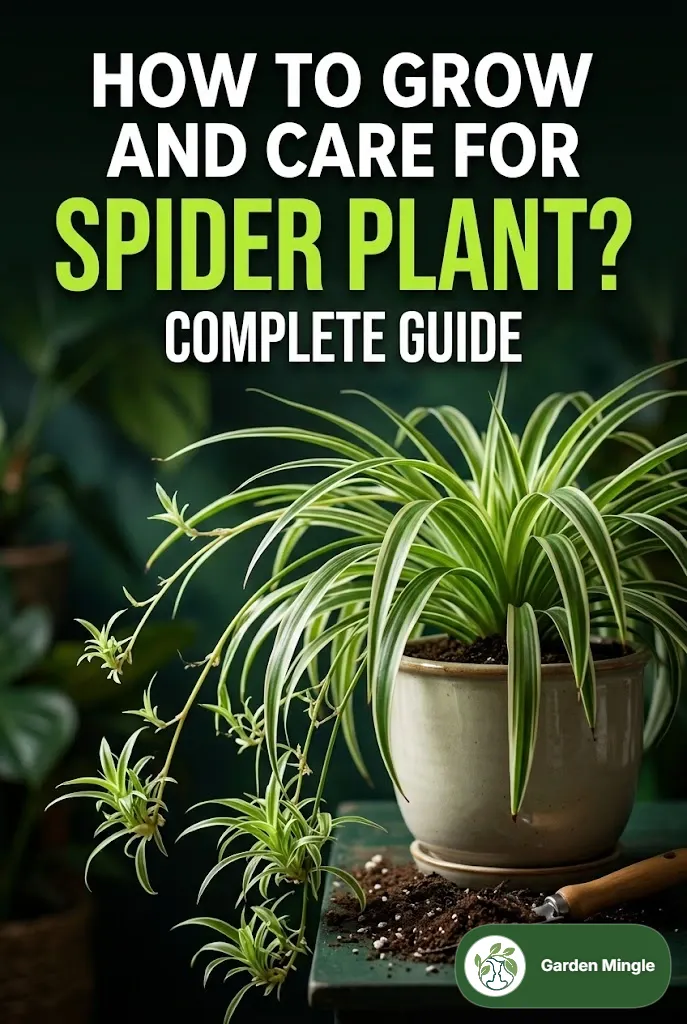
Spider plants, scientifically known as Chlorophytum comosum, are native to tropical and southern Africa. They are characterized by long, arching leaves that can reach up to 24 inches in length, often sporting a vibrant green color with a creamy white or yellow stripe down the center. The plant’s ability to produce “pups,” or baby spider plants, adds to its charm and propagation potential.
Benefits of Spider Plants
- Air Purification: Spider plants are known for their ability to remove toxins like formaldehyde and xylene from the air.
- Low Maintenance: They thrive in various conditions, making them perfect for beginners.
- Visual Appeal: Their unique foliage adds a touch of greenery to any space.
How to Grow Spider Plants
Growing spider plants is a rewarding experience. Here’s how to get started:
Choosing the Right Pot and Soil
Start with a pot that has drainage holes to prevent waterlogging. A standard plastic or terracotta pot works well. For soil, opt for a well-draining potting mix. A mix designed for houseplants or a blend of peat moss, perlite, and potting soil will ensure good drainage while retaining some moisture.
Light Requirements
Spider plants prefer bright, indirect sunlight. Direct sunlight can scorch their leaves, while too little light may stunt their growth. A spot near a window with filtered light is ideal. If you notice your plant stretching towards the light, it may need more brightness.
Watering Your Spider Plant
Water your spider plant when the top inch of soil feels dry. They prefer to be slightly on the dry side rather than overly wet. Overwatering can lead to root rot, which is a common issue for spider plants. During the growing season (spring and summer), they may require more frequent watering, while in fall and winter, reduce the frequency.
Caring for Your Spider Plant
Proper care is crucial for a thriving spider plant. Here are some tips to keep them healthy:
Temperature and Humidity
Spider plants enjoy temperatures between 65°F to 75°F (18°C to 24°C). They can tolerate occasional temperature drops but avoid exposing them to temperatures below 50°F (10°C). While they adapt to average household humidity, they thrive in higher humidity levels. If your home is particularly dry, consider misting the leaves occasionally or placing a humidifier nearby.
Fertilizing Your Spider Plant
Feed your spider plant with a balanced, water-soluble fertilizer during the growing season, approximately every 4-6 weeks. Avoid fertilizing in the fall and winter when the plant is dormant. Over-fertilization can lead to brown leaf tips, so be mindful of the amount you use.
Pruning and Maintenance
To maintain your spider plant’s appearance and health, trim off any brown tips or dead leaves. This not only keeps the plant looking fresh but also encourages new growth. If your spider plant produces pups, you can either leave them attached for a fuller look or propagate them by cutting them off and placing them in soil.
Common Mistakes to Avoid
Even the most experienced gardeners can make mistakes. Here are some common pitfalls to watch out for:
- Overwatering: This is the most common issue. Always check before watering.
- Insufficient Light: If your spider plant isn’t thriving, it might not be getting enough light.
- Ignoring Pests: Keep an eye out for pests like spider mites or aphids. Regularly inspect your plant and treat any infestations promptly.
Pinterest-Style Ideas for Spider Plant Displays
Spider plants can add a vibrant touch to your decor! Here are some inspiring display ideas:
- Hanging Baskets: Let the long leaves cascade down for a stunning visual effect.
- Mixed Plant Arrangements: Pair spider plants with other houseplants for a diverse indoor garden.
- Windowsill Gardens: Create a mini garden on a sunny windowsill to maximize sunlight exposure.
Expert Tips for Thriving Spider Plants
Want to take your spider plant care to the next level? Here are some insider tips:
- Rotate your plant regularly to ensure even growth on all sides.
- Consider using distilled or rainwater, as tap water may contain chemicals that can harm the plant.
- Dust the leaves occasionally to keep them clean and enhance their ability to photosynthesize.
Common Questions About Spider Plants
How often should I repot my spider plant?
Repot your spider plant every 1-2 years or when you notice roots protruding from the drainage holes. This helps refresh the soil and provides more room for growth.
Can spider plants grow outside?
Yes, spider plants can thrive outdoors in USDA zones 9-11, but they should be protected from direct sunlight and extreme temperatures.
Why are the tips of my spider plant turning brown?
Browning leaf tips can result from underwatering, over-fertilization, or exposure to drafts. Adjust your care routine accordingly.
Conclusion
Growing and caring for spider plants can be a delightful journey. With the right conditions and a bit of attention, your spider plants can flourish, bringing life and freshness to your space. So, get planting, and enjoy the process of nurturing these lovely green companions!
Leave a Reply