
- Propagating Succulent Leaves in Water: The Definitive Guide - August 16, 2026
- Succulent Pot Size Guide: 8 Things You Need To Know - August 16, 2026
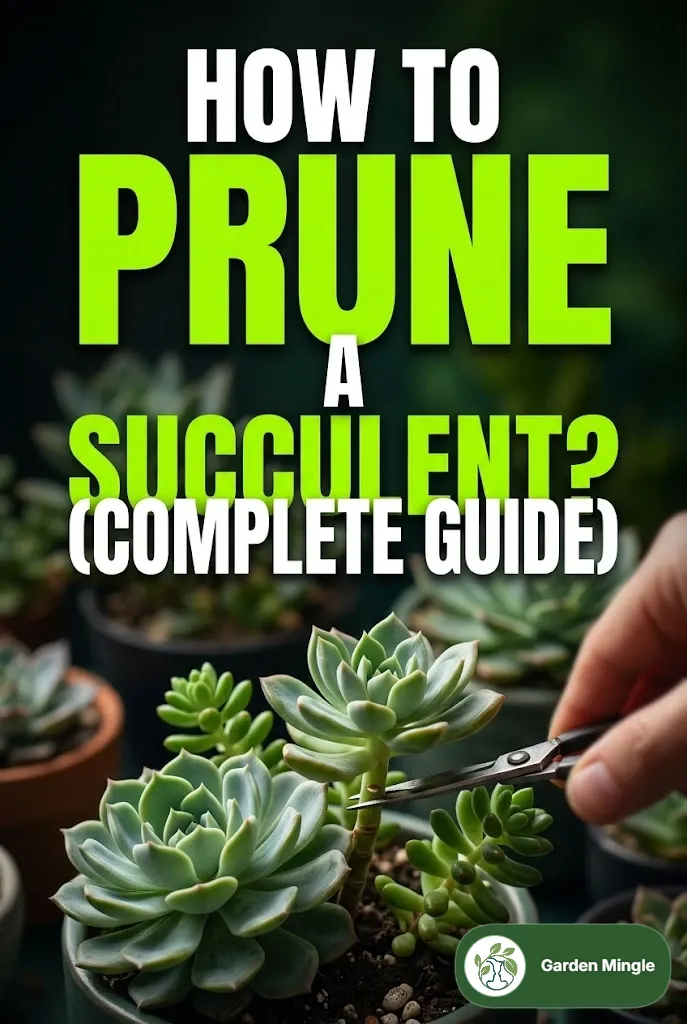
- How to Prune a Succulent? (Complete Guide) - August 16, 2026
Pruning succulents can seem intimidating, especially if you’re new to gardening. However, understanding how to properly prune these unique plants can lead to healthier growth, more vibrant colors, and even beautiful blooms. Whether you’re aiming to remove dead or damaged leaves, encourage bushier growth, or propagate new plants, pruning is an essential skill for any succulent enthusiast. Let’s dive into the complete guide on how to prune a succulent effectively.
Quick Answer
To prune a succulent, start by gathering the right tools, such as clean scissors or shears. Remove dead or damaged leaves at the base, trim leggy growth to promote bushiness, and ensure proper care afterward to support recovery. Regular pruning keeps your succulent healthy and looking its best.
Understanding Succulent Growth
Before you start pruning, it’s important to understand how succulents grow. These plants store water in their leaves, stems, and roots, allowing them to thrive in arid environments. They typically grow in a rosette shape, which can become leggy if they don’t receive enough light. Understanding their growth patterns will help you prune them correctly.
Types of Succulents
- Leaf Succulents: These include plants like Echeveria and Graptopetalum that have thick, fleshy leaves.
- Stem Succulents: Cacti and plants like Sedum fall into this category, characterized by their swollen stems.
- Root Succulents: These plants, such as certain types of Adenium, store water in their roots rather than their leaves or stems.
When to Prune Your Succulent
Timing is crucial when it comes to pruning succulents. The best time to prune is during the growing season, which typically spans from spring to early summer. During this period, succulents are actively growing and can recover more quickly from pruning stress.
Signs That Your Succulent Needs Pruning
- Dead or Brown Leaves: These can attract pests and diseases.
- Leggy Growth: Succulents that stretch towards the light may need to be trimmed back.
- Overcrowding: If your succulent is becoming too dense, thinning it out can promote better air circulation.
Tools Required for Pruning
Having the right tools on hand makes pruning easier and more effective. Here’s what you’ll need:
- Sharp Scissors or Pruning Shears: Ensure they are clean to prevent introducing bacteria.
- Gloves: Some succulents can have sharp spines or irritants.
- Potting Mix: For propagating cuttings, have some fresh succulent mix ready.
Step-by-Step Guide to Pruning Succulents
1. Assess Your Plant
Begin by examining your succulent. Look for any signs of damage, crowding, or leggy growth. Make note of the areas that need attention.
2. Prepare Your Tools
Clean your scissors or shears with rubbing alcohol. This step is crucial to avoid transferring any diseases to your plant.
3. Remove Dead or Damaged Leaves
Gently grasp the dead or damaged leaves at the base and pull them away from the stem. If they don’t come off easily, use your scissors to cut them at the base. This helps prevent any further stress to the plant.
4. Trim Leggy Growth
If your succulent has become elongated, you can prune it back. Cut the stems to the desired length, just above a leaf node. This encourages new growth from the cut area, resulting in a bushier appearance.
5. Propagate Your Cuttings (Optional)
If you’re feeling adventurous, you can propagate the cuttings from your pruning. Allow them to dry for a few days to form a callous, then place them in well-draining soil. Water sparingly until new growth appears.
6. Post-Pruning Care
After pruning, make sure to provide your succulent with proper care. Place the plant in a location with adequate light but avoid direct sunlight for a few days to help it recover. Water only when the soil is completely dry.
Pinterest-Style Ideas for Pruned Succulents
- Succulent Wreaths: Create an eye-catching wreath using pruned leaves and stems.
- Terrarium Arrangements: Use your pruned cuttings to fill a beautiful glass terrarium.
- Succulent Centerpieces: Make stunning centerpieces for your dining table using pruned varieties.
Expert Tips for Pruning Succulents
- Don’t Over-Prune: Less is more; always start with small cuts and reassess.
- Know Your Plant: Different succulents have unique growth patterns, so adjust your pruning technique accordingly.
- Use Sterile Tools: This prevents potential infections that could harm your plant.
Common Questions About Pruning Succulents
1. Can I prune a succulent in winter?
It’s best to avoid pruning in winter as succulents are dormant during this time and may not recover well.
2. How often should I prune my succulents?
Typically, pruning once or twice a year is sufficient, but it depends on the growth rate and health of your plants.
3. What should I do with the leaves I cut off?
You can propagate healthy leaves or dispose of damaged ones. Healthy leaves can root and grow into new plants.
Conclusion
Pruning your succulents can be a rewarding process that enhances their health and beauty. By following these steps and tips, you can successfully maintain your plants and even expand your collection through propagation. Embrace the art of pruning, and watch your succulents thrive!
Leave a Reply