
- ZZ Plant Care: Unlock the Secrets to Thriving Greenery - June 30, 2026
- 10 Stunning Container Plants for Front Porch: Instant Curb Appeal - June 30, 2026
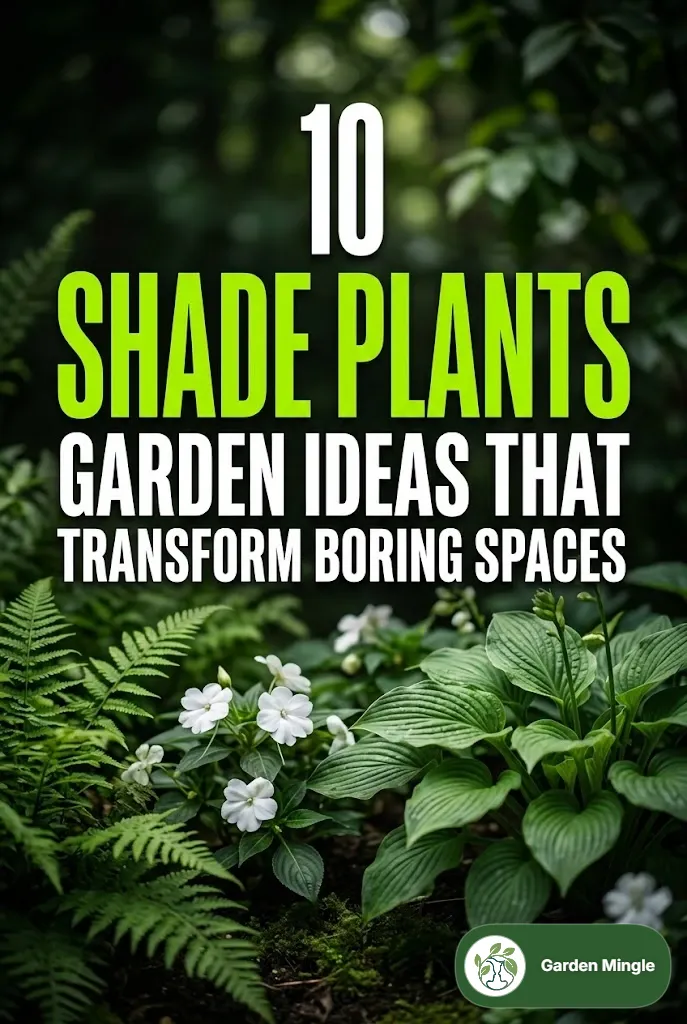
- 10 Shade Plants Garden Ideas That Transform Boring Spaces - June 30, 2026
Share the post "10 Shade Plants Garden Ideas That Transform Boring Spaces"
Are you struggling to breathe life into those dull, shady spots in your garden? Fear not! Transforming these often-overlooked areas can be a rewarding endeavor. Shade plants not only thrive in low-light conditions but also offer a diverse range of colors, textures, and forms that can elevate the aesthetic of any garden. Let’s explore ten inspiring garden ideas that can turn those boring spaces into lush retreats filled with vibrant shade-loving plants.
Quick Answer
To transform boring shady spaces, consider planting a mix of shade-loving plants such as hostas, ferns, and astilbes. Incorporate unique planters, layering techniques, and decorative elements to create an inviting atmosphere.
1. Layered Planting
One effective way to make a shady area pop is through layered planting. This technique involves positioning plants at different heights, creating depth and visual interest.
How to Achieve Layered Planting
- Background: Start with tall plants like Japanese Forest Grass or Foxgloves at the back.
- Mid-level: Use medium-sized plants such as Astilbe or Heuchera in the middle.
- Foreground: Add shorter plants like Wild Ginger or Ajuga at the front.
2. Focal Points with Unique Planters
Incorporating unique planters can create stunning focal points in your shady garden. Consider using decorative pots, hanging baskets, or even repurposed items like old wheelbarrows or wooden crates.
Ideas for Unique Planters
- Hanging Baskets: Fill them with trailing plants like Fuchsia or Ivy for a cascading effect.
- Repurposed Containers: Use an old chair or ladder as a stand for pots to add height and charm.
- Colorful Pots: Choose bright, eye-catching colors to contrast with the greens in your garden.
3. Incorporate Ferns
Ferns are among the best shade plants, offering a lush, green backdrop to any garden. Their delicate fronds add texture and movement.
Popular Fern Varieties
- Boston Fern – Great for hanging baskets.
- Maidenhair Fern – Known for its graceful appearance.
- Japanese Painted Fern – Offers unique silver and purple foliage.
4. Create a Shade Garden Path
Designing a path through your shaded areas can make an inviting space for exploration. Use stepping stones, gravel, or mulch to define the path.
Path Ideas
- Stepping Stones: Lay large stones interspersed with ground cover plants like Thyme.
- Wood Chips: Create a rustic feel with a wood chip path.
- Gravel: Use fine gravel for a clean, modern look.
5. Use Colorful Shade Plants
Brightly colored foliage can bring life to a shaded area. Incorporate plants that display vibrant colors throughout the seasons.
Top Colorful Shade Plants
- Caladium: Known for its striking heart-shaped leaves.
- Coral Bells (Heuchera): Available in a variety of colors from deep purple to bright green.
- Japanese Maple: Adds beautiful red or orange hues.
6. Incorporate Edible Plants
Why not make your shady garden functional as well as beautiful? Many edible plants thrive in low-light conditions.
Edible Plants for Shade
- Rhubarb: Thrives in partial shade and provides a stunning backdrop.
- Mint: Grows well in shade and adds a lovely fragrance.
- Leafy Greens: Spinach and lettuce can flourish with limited sunlight.
7. Create Cozy Seating Areas
Transform your shaded space into a spot for relaxation by adding cozy seating. Incorporate benches or hammocks surrounded by plants.
Seating Ideas
- Bistro Sets: Perfect for small areas, add a table and chairs for dining.
- Hammocks: Create a relaxing nook to enjoy the tranquility.
- Garden Benches: Use rustic wooden benches for a natural feel.
8. Add Decorative Features
Enhancing your garden with decorative features can create a magical atmosphere. Consider using sculptures, bird baths, or trellises.
Decorative Element Ideas
- Sculptures: Choose pieces that resonate with your style.
- Bird Baths: Attract wildlife and add interest.
- Trellises: Support climbing plants like Climbing Hydrangea or Sweet Peas.
9. Use Ground Covers
Ground covers can fill in bare spots and prevent weeds while enhancing the beauty of your garden. They thrive in low-light areas and can provide a lush carpet of greenery.
Effective Ground Cover Plants
- Pachysandra: A classic shade-loving ground cover.
- Vinca Minor: Offers beautiful purple flowers in spring.
- Ajuga: Features colorful foliage and spikes of blue flowers.
10. Seasonal Changes
To keep your shady garden interesting throughout the year, consider plants that offer seasonal changes. Choose those that bloom at different times or have foliage that changes with the seasons.
Seasonal Plant Suggestions
- Spring: Add Bleeding Heart for early blooms.
- Summer: Astilbe provides vibrant blooms.
- Fall: Japanese Maple showcases stunning autumn colors.
Expert Tips
Here are some insider tips to help you create the perfect shade garden:
- Consider the moisture level of your shaded area; some plants prefer dry conditions while others thrive in moisture.
- Group plants with similar light and water needs together to simplify care.
- Don’t forget to mulch! It helps retain moisture and suppresses weeds in shady areas.
Common Questions
What are the best plants for deep shade?
Some excellent options include ferns, hostas, and impatiens, all of which thrive in low-light conditions.
Can I grow vegetables in shady areas?
Yes, certain vegetables, like lettuce and leafy greens, can grow well in partial shade.
How do I know if my garden gets enough shade?
Observe sunlight patterns throughout the day. Areas that receive less than 3 hours of direct sunlight are typically considered shady.</
Leave a Reply