
- Strawberry Planter Ideas: 13 Sweet Ways to Grow Berries at Home - July 6, 2026
- 10 Stunning Container Plants for Partial Sun Spaces - July 6, 2026
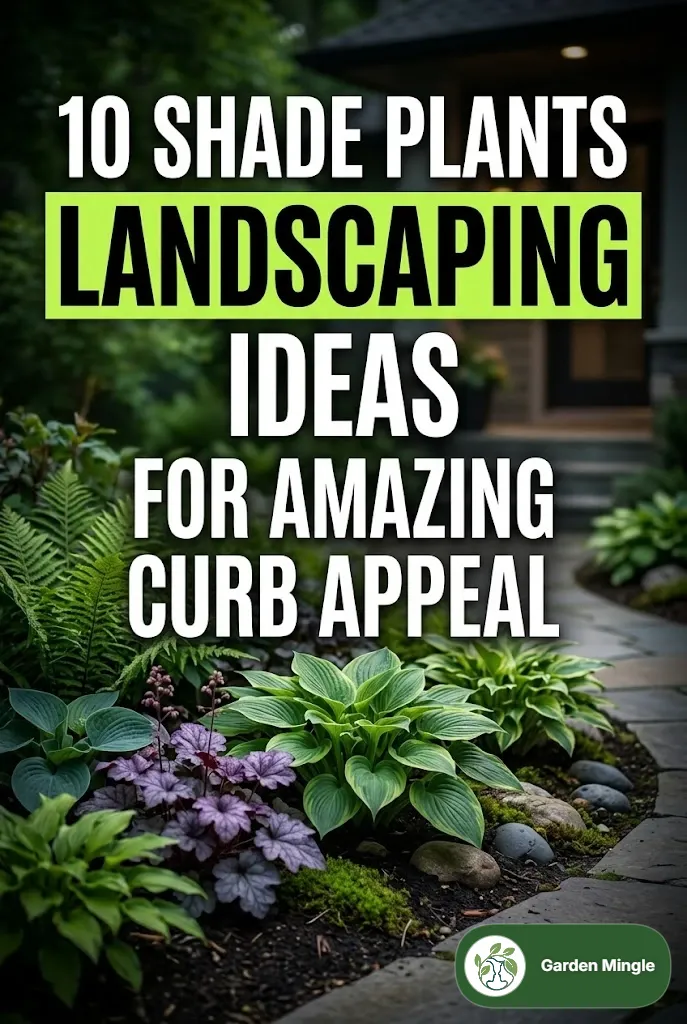
- 10 Shade Plants Landscaping Ideas for Amazing Curb Appeal - July 6, 2026
Share the post "10 Shade Plants Landscaping Ideas for Amazing Curb Appeal"
Creating a stunning landscape in shaded areas can feel like a daunting task, but it doesn’t have to be! With the right shade plants, you can transform those dim corners of your yard into vibrant, inviting spaces. Whether you have a heavily shaded garden or just a few areas that don’t get much sun, there are plenty of options to enhance your curb appeal. Let’s dive into ten incredible shade plant landscaping ideas that will bring your outdoor space to life.
Quick Answer
For amazing curb appeal in shaded areas, consider using shade-loving plants like hostas, ferns, and astilbes in creative combinations. Layering textures and colors will create visual interest, making your landscape feel lush and vibrant.
1. Layering with Hostas
Hostas are a classic choice for shade gardens. Their large, lush leaves come in a variety of colors, from deep green to vibrant blues and golds. Here’s how to use them:
- Choose Varieties: Mix different types of hostas to create a stunning visual effect.
- Layer Heights: Place taller hostas in the back and shorter ones in the front for depth.
- Companion Plants: Pair hostas with ferns or astilbes for contrast.
2. Ferns for Texture
Ferns add a delicate, feathery texture to any landscape. They thrive in shady conditions and come in various shapes and sizes.
- Planting Tips: Use them in masses for a lush look.
- Varieties to Consider: Eastern Sword Fern and Japanese Painted Fern offer unique appearances.
3. Astilbes for Color
Astilbes produce beautiful, plume-like flowers that can add a splash of color to your shade garden. They bloom in shades of pink, red, and white.
- Bloom Time: Plant them in groups to ensure a vibrant display when in bloom.
- Soil Requirements: Astilbes prefer moist, well-drained soil.
4. Toad Lilies for Unique Appeal
Toad lilies (Tricyrtis) are unique perennials that produce exotic-looking flowers in the fall. They thrive in full shade and are perfect for adding interest to your garden.
- Planting Location: Ideal for moist, rich soils.
- Companion Ideas: Pair them with ferns and hostas for a contrasting look.
5. Shade-Tolerant Ground Covers
Ground covers can help to fill bare spots and prevent weeds. Consider using plants like creeping thyme or ajuga.
- Benefits: They help maintain soil moisture and provide a lush carpet underfoot.
- Color Variations: Look for varieties with variegated leaves for added visual interest.
6. Incorporating Ornamental Grasses
Ornamental grasses can add movement and texture to shady areas. Choose species that thrive in low-light conditions.
- Recommended Grasses: Japanese Forest Grass and Blue Oat Grass.
- Design Tip: Use them as a backdrop for flowering plants.
7. Shade-Loving Shrubs
Incorporating shrubs can provide structure to your landscape. Consider shade-loving options like azaleas and rhododendrons.
- Seasonal Interest: Choose varieties that bloom at different times for a continuous display.
- Placement: Use them as focal points or to create natural borders.
8. Container Gardening in the Shade
Containers allow you to bring color and life to shaded areas without permanently altering your landscape. Choose shade-loving annuals or perennials.
- Best Plants: Consider begonias, impatiens, or caladiums.
- Design Ideas: Use varied heights and textures for a dynamic display.
9. Vertical Gardens for Small Spaces
If you have limited space, a vertical garden can be an excellent solution. It takes advantage of vertical space and can be a stunning focal point.
- Plant Suggestions: Use shade-tolerant vines like ivy or climbing hydrangeas.
- Installation Tips: Ensure proper support and moisture for your plants.
10. Adding Hardscaping Elements
Incorporating hardscaping elements like stones, pathways, or decorative borders can enhance your shade garden’s appeal. These features add structure and interest.
- Material Choices: Use natural stone or decorative gravel to complement plant colors.
- Pathway Ideas: Create winding paths through your garden to encourage exploration.
Expert Tips Section
To elevate your shade garden, consider these expert tips:
- Soil Care: Ensure good drainage and organic matter for healthy plants.
- Layering Techniques: Use a mix of heights and colors to create visual interest.
- Seasonal Rotation: Change annuals each season for continuous color and interest.
Common Questions
What are the best plants for full shade?
Some excellent choices for full shade include hostas, ferns, and astilbes, which thrive without much sunlight.
How can I improve soil drainage in shady areas?
Amending the soil with organic matter like compost can significantly improve drainage and nutrient retention.
Can I grow vegetables in shady areas?
While most vegetables prefer full sun, leafy greens like spinach and lettuce can tolerate some shade.
Conclusion
By thoughtfully selecting and combining shade-loving plants, you can create an inviting landscape that enhances your home’s curb appeal. Embrace the beauty of shade with these diverse options, and don’t hesitate to experiment with different textures and colors. Your shaded areas can become stunning focal points that bring joy and tranquility to your outdoor space.
Leave a Reply