
- 10 Stunning Shade Plants Queensland Gardeners Swear By - June 25, 2026
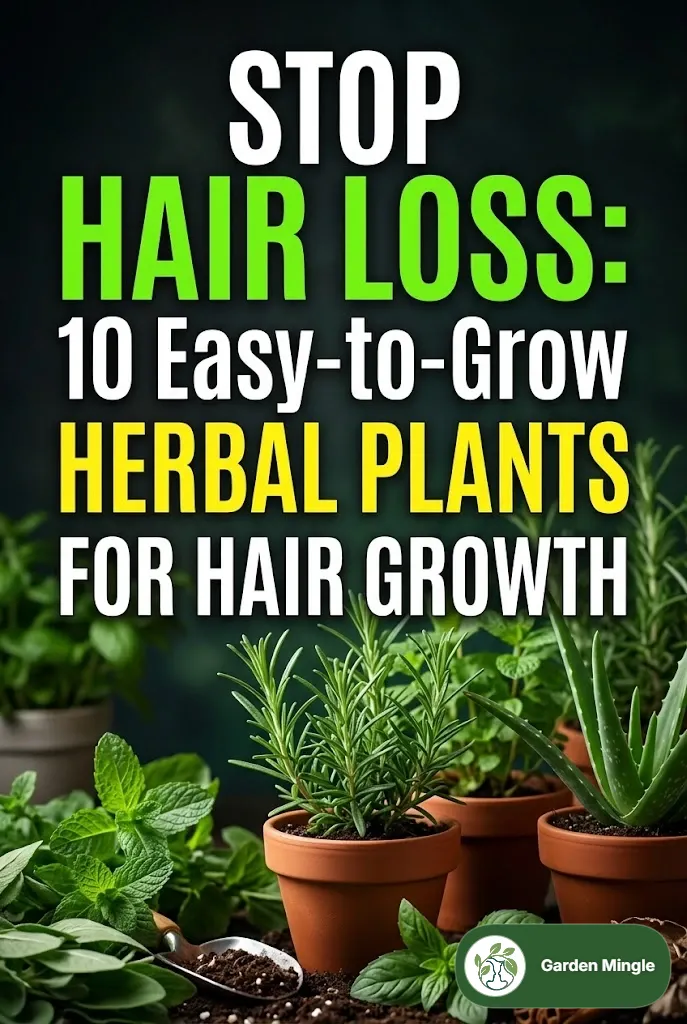
- Stop Hair Loss: 10 Easy-to-Grow Herbal Plants for Hair Growth - June 25, 2026
- Top 10 Healing Herbal Plants for Skin You Need in Your Garden - June 25, 2026
Share the post "Stop Hair Loss: 10 Easy-to-Grow Herbal Plants for Hair Growth"
Are you tired of dealing with hair loss and searching for natural remedies? You’re not alone! Many people are seeking effective solutions to promote hair growth without resorting to harsh chemicals or expensive treatments. The good news is that nature has provided us with a treasure trove of herbal plants that can help revitalize your hair. In this guide, we’ll explore ten easy-to-grow herbal plants that can support hair growth, enhance scalp health, and boost your confidence.
Quick Answer
To stop hair loss and promote hair growth, consider incorporating these ten easy-to-grow herbal plants into your routine: aloe vera, rosemary, peppermint, hibiscus, ginseng, fenugreek, lavender, nettle, saw palmetto, and thyme. Each of these herbs offers unique benefits for hair health.
1. Aloe Vera
Aloe vera is renowned for its soothing properties and is a powerhouse for hair growth. This succulent plant hydrates the scalp, reduces dandruff, and promotes blood circulation.
How to Use:
- Extract the gel from fresh aloe leaves and apply it directly to your scalp.
- Leave it on for about 30 minutes before rinsing with a mild shampoo.
2. Rosemary
Rosemary is not just a culinary herb; it also stimulates hair follicles and enhances circulation to the scalp. Regular use can lead to thicker, healthier hair.
How to Use:
- Make a rosemary-infused oil by steeping dried rosemary in a carrier oil for a few weeks.
- Massage the oil into your scalp and hair once a week.
3. Peppermint
Peppermint oil is known for its refreshing scent and invigorating properties. It can enhance blood circulation to the scalp and promote hair growth.
How to Use:
- Add a few drops of peppermint oil to your shampoo or conditioner.
- For a DIY treatment, mix peppermint oil with a carrier oil and massage it into your scalp.
4. Hibiscus
Hibiscus flowers are rich in vitamins and amino acids that nourish the hair and prevent premature graying. They also help to strengthen hair strands.
How to Use:
- Make a hair mask by grinding hibiscus petals into a paste and mixing with coconut oil.
- Apply the mask to your hair and leave it on for 30 minutes before rinsing.
5. Ginseng
Ginseng is known for its adaptogenic properties and promotes hair growth by stimulating hair follicles. It also helps to reduce stress, a common cause of hair loss.
How to Use:
- Take ginseng supplements as directed or use ginseng-infused hair products.
6. Fenugreek
Fenugreek seeds are packed with nutrients that can strengthen hair and stimulate growth. They are also effective against dandruff and scalp irritation.
How to Use:
- Soak fenugreek seeds overnight, grind them into a paste, and apply to your hair.
- Leave it on for 30 minutes and rinse thoroughly.
7. Lavender
Lavender not only smells delightful but is also known for its ability to promote hair growth and reduce stress-related hair loss.
How to Use:
- Add a few drops of lavender oil to your shampoo or conditioner.
- Alternatively, dilute lavender oil with a carrier oil and massage it into your scalp.
8. Nettle
Nettle is a nutrient-rich herb that promotes hair growth and provides essential vitamins and minerals for hair health.
How to Use:
- Make a nettle tea and use it as a final rinse after shampooing.
- You can also take nettle supplements as directed.
9. Saw Palmetto
Saw palmetto is often used for its hormone-balancing effects, which can be beneficial for those experiencing hair loss. It helps to block the hormone responsible for hair thinning.
How to Use:
- Take saw palmetto supplements, or look for hair care products that contain it.
10. Thyme
Thyme is another herb that can enhance blood circulation and promote hair growth. It has antibacterial properties that can help maintain a healthy scalp.
How to Use:
- Infuse thyme in a carrier oil and apply it to your scalp as a treatment.
- Alternatively, use thyme essential oil in your hair care routine.
Expert Tips for Maximizing Hair Growth
- Stay hydrated! Drinking plenty of water is essential for overall health and hair vitality.
- Eat a balanced diet rich in vitamins and minerals, particularly vitamins A, C, D, E, and biotin.
- Avoid excessive heat styling and harsh chemical treatments that can damage your hair.
- Be gentle when brushing your hair and avoid tight hairstyles that can lead to breakage.
Common Questions
1. How long does it take to see results from using herbal plants for hair growth?
Results can vary, but with consistent use, you may start to see improvements in hair growth and health within a few weeks to a few months.
2. Can I grow these herbal plants indoors?
Yes! Many of these herbs can be grown indoors in pots, provided they receive adequate sunlight and care.
3. Are there any side effects to using these herbs?
While most herbs are safe for topical use, it’s essential to perform a patch test first and consult with a healthcare provider if you have allergies or medical conditions.
4. Can these herbs help with all types of hair loss?
While these herbs can be beneficial for various types of hair loss, results may vary based on the underlying cause. Consulting a professional may be helpful for specific conditions.
5. How often should I use these herbal treatments?
For best results, incorporate these herbal treatments into your routine 1-2 times a week, adjusting based on your hair type and needs.
Conclusion
Finding natural solutions to hair loss doesn’t have to be complicated. By incorporating these ten easy-to-grow herbal plants into your hair care routine, you can nourish your scalp and promote healthy growth. Whether you choose to make DIY treatments or simply enjoy the aroma of these herbs, you’re taking a positive step towards healthier hair. Remember, consistency is key, and with a little patience, you can enjoy the benefits these herbs have to offer!
Leave a Reply