
- Propagating Succulent Leaves in Water: The Definitive Guide - August 16, 2026
- Succulent Pot Size Guide: 8 Things You Need To Know - August 16, 2026
- How to Prune a Succulent? (Complete Guide) - August 16, 2026
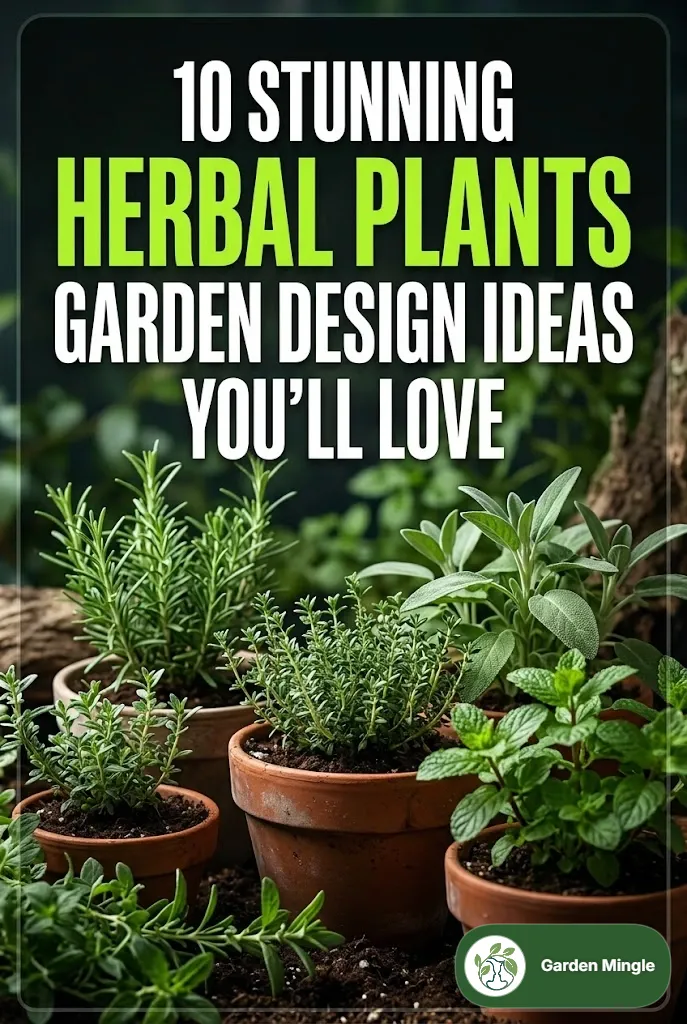
Share the post "10 Stunning Herbal Plants Garden Design Ideas You’ll Love"
Creating a stunning herbal plants garden can transform your outdoor space into a vibrant and productive oasis. Whether you’re a seasoned gardener or a beginner, incorporating herbs not only enhances your garden’s aesthetic appeal but also provides you with fresh ingredients for cooking, teas, and natural remedies. Let’s explore ten inspiring herbal plants garden design ideas that will make your gardening experience rewarding and visually captivating.
Quick Answer
Designing a beautiful herbal garden involves choosing the right plants, arranging them thoughtfully, and considering aesthetic elements like pathways and containers. Here are ten stunning ideas to inspire your herbal garden creation.
1. Raised Herbal Beds
Raised garden beds are an excellent way to cultivate herbs while keeping them organized. They offer improved drainage, soil quality, and accessibility. You can create a series of raised beds with varying heights to add visual interest.
Tips for Raised Beds
- Choose rot-resistant wood or bricks for construction.
- Fill with a mix of compost and topsoil for optimal growth.
- Plant herbs like basil, parsley, and chives for a colorful display.
2. Vertical Herb Garden
If space is limited, a vertical herb garden can save ground space while adding height and drama to your garden. Use wall planters, trellises, or repurposed pallets to create a stunning vertical display.
How to Create a Vertical Garden
- Select herbs that thrive in small spaces, like mint and thyme.
- Ensure adequate sunlight reaches each plant by spacing them appropriately.
- Consider using drip irrigation to simplify watering.
3. Herb Spiral
The herb spiral is a creative garden design that utilizes vertical space and creates microclimates. This permaculture technique allows you to grow a variety of herbs with different moisture and sunlight needs.
Building an Herb Spiral
- Construct a spiral shape using stones or bricks.
- Fill the center with compost and soil.
- Plant herbs around the spiral, placing moisture-loving plants at the bottom and drought-tolerant herbs at the top.
4. Herb Garden with Pathways
Incorporating pathways into your herbal garden can enhance accessibility and aesthetics. Use natural materials like gravel, wood chips, or stones to create a charming meandering path.
Pathway Ideas
- Design curvy paths to guide visitors through your herb garden.
- Plant herbs along the edges for a fragrant border.
- Consider adding stepping stones for a rustic touch.
5. Container Herb Garden
Container gardening is perfect for those who lack a traditional garden space. Use pots, window boxes, or hanging baskets to create a movable display of herbs.
Container Gardening Tips
- Select containers with good drainage holes.
- Use a high-quality potting mix rich in nutrients.
- Group containers together for a visually appealing arrangement.
6. Themed Herbal Garden
Design a themed herbal garden by grouping herbs based on their culinary uses or medicinal properties. For example, create a “pizza garden” with basil, oregano, and thyme.
Ideas for Themed Gardens
- Medicinal herbs: chamomile, echinacea, and peppermint.
- Tea garden: chamomile, lemon balm, and mint.
- Italian herb garden: basil, rosemary, and parsley.
7. Edible Landscape Integration
Blend your herbal garden with your existing landscaping. Use herbs as borders or focal points among ornamental plants to create an edible landscape that is both functional and beautiful.
Design Strategies
- Choose herbs that complement flowering plants.
- Plant taller herbs behind shorter ones for depth.
- Incorporate herbs into your flower beds for a pop of greenery.
8. Herb Garden with Wildlife-Friendly Features
Encourage pollinators and beneficial insects by designing a wildlife-friendly herbal garden. Incorporate native plants and create habitats to support local wildlife.
Wildlife-Friendly Elements
- Plant a variety of herbs that attract bees and butterflies.
- Add a small water feature or birdbath.
- Use organic gardening practices to promote a healthy ecosystem.
9. Aromatic Pathway
Create an aromatic pathway by planting fragrant herbs along the sides of walkways. This not only beautifies the space but also delights the senses as you stroll through your garden.
Herbs to Consider
- Lavender for a calming scent.
- Rosemary for a robust aroma.
- Sage for its earthy fragrance.
10. Seasonal Herb Garden
Design your herbal garden to change with the seasons. Plant a mix of annuals and perennials to ensure year-round interest and harvest.
Seasonal Planting Tips
- Use annual herbs like cilantro and basil for summer blooms.
- Incorporate perennial herbs like thyme and chives for lasting beauty.
- Plan for a winter garden with hardy herbs like rosemary and sage.
Expert Tips
To elevate your herbal garden, consider these insider tips:
- Rotate your herbs annually to prevent soil depletion.
- Companion plant to deter pests and enhance growth.
- Regularly prune your herbs to encourage bushier growth and prevent flowering too early.
Common Questions
What herbs are best for beginners?
Start with easy-to-grow herbs like basil, mint, and parsley, which are forgiving and versatile.
How much sunlight do herbs need?
Most herbs thrive in full sun, requiring at least 6 to 8 hours of sunlight per day.
Can I grow herbs indoors?
Yes! Many herbs can thrive indoors with sufficient light, so consider using grow lights if necessary.
Conclusion
Designing a stunning herbal plants garden is a fulfilling endeavor that merges beauty with functionality. Whether you opt for raised beds, vertical gardens, or themed layouts, the possibilities are endless. Embrace your creativity, enjoy the process, and watch your garden flourish with life and flavor.
Leave a Reply