
- Propagating Succulent Leaves in Water: The Definitive Guide - August 16, 2026
- Succulent Pot Size Guide: 8 Things You Need To Know - August 16, 2026
- How to Prune a Succulent? (Complete Guide) - August 16, 2026
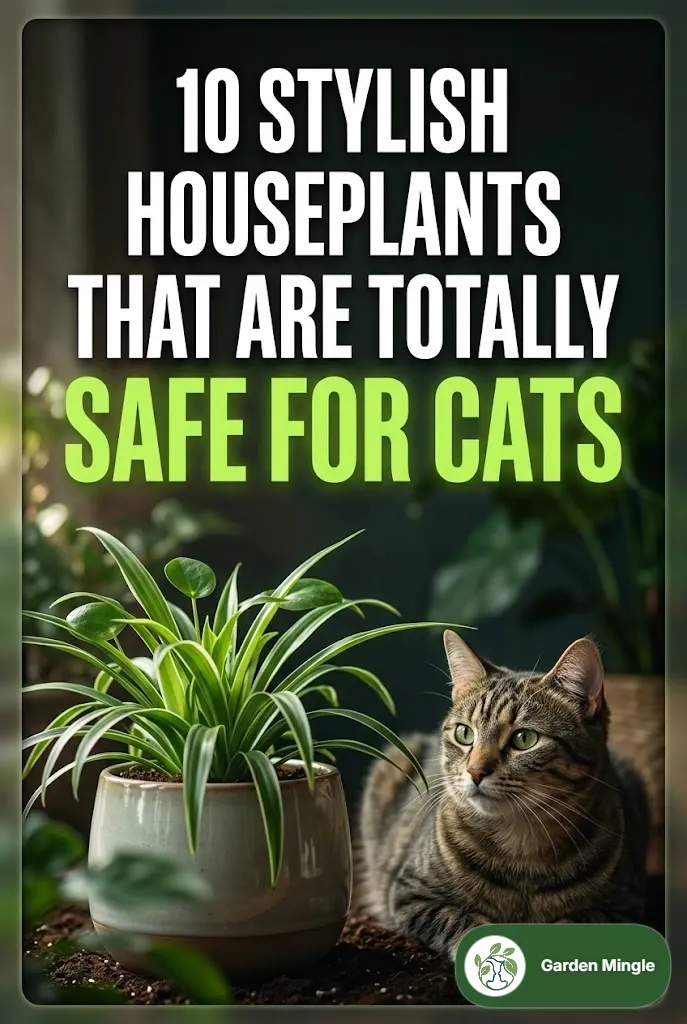
As a cat lover, finding the perfect plants for your home can feel like a balancing act. You want your space to be stylish and vibrant, but you also need to ensure your furry friends are safe. Luckily, there are plenty of beautiful houseplants that are not only safe for cats but also add a touch of elegance to your home decor. Let’s explore ten stylish houseplants that will enhance your living space while keeping your pets healthy and happy.
Quick Answer
Here are 10 stylish houseplants that are completely safe for cats: Spider Plant, Boston Fern, Areca Palm, Bamboo Palm, Calathea, Parlor Palm, Ponytail Palm, Money Tree, Friendship Plant, and African Violet. Each of these plants offers beauty without the worry of toxicity to your feline friends.
1. Spider Plant (Chlorophytum comosum)
The Spider Plant is a classic choice for any home. With its arching green and white leaves, it adds a playful touch to any room. Not only is it safe for cats, but it’s also an excellent air purifier. Spider Plants are easy to care for and thrive in indirect sunlight.
Care Tips:
- Water when the top inch of soil is dry.
- Prefers bright, indirect light but can tolerate low light.
- Fertilize every month during the growing season.
2. Boston Fern (Nephrolepis exaltata)
The Boston Fern is a lush, green plant that brings a tropical vibe to your home. Its feathery fronds can create a stunning cascading effect, making it a perfect choice for hanging baskets. This plant is safe for cats and adds moisture to the air, which can benefit both you and your pet.
Care Tips:
- Keep the soil consistently moist but not soggy.
- Thrives in high humidity and indirect light.
- Regularly mist the leaves to maintain humidity.
3. Areca Palm (Dypsis lutescens)
The Areca Palm is a beautiful, feathery palm that can grow quite tall, making it a striking focal point in any room. It’s non-toxic to cats and helps purify the air. Its elegant appearance makes it a favorite among indoor gardeners.
Care Tips:
- Water when the top inch of soil feels dry.
- Prefers bright, indirect sunlight for optimal growth.
- Fertilize during the growing season to promote healthy growth.
4. Bamboo Palm (Chamaedorea seifrizii)
Bamboo Palms are perfect for adding a touch of the tropics to your home. This plant is not only safe for cats but also thrives in low-light conditions, making it ideal for less sunny spaces. Its thin, bamboo-like stems give it a unique look.
Care Tips:
- Keep soil moist but allow the top layer to dry out between waterings.
- Enjoys indirect light but can adapt to low light.
- Dust leaves regularly to keep them healthy.
5. Calathea (Calathea spp.)
Calatheas are known for their stunning leaf patterns and vibrant colors. These plants are safe for your cats and can bring a pop of color to your decor. With their unique foliage and low maintenance needs, Calatheas are a stylish choice for any plant lover.
Care Tips:
- Water when the top inch of soil feels dry.
- Prefers warm, humid conditions and indirect light.
- Keep away from cold drafts to maintain their health.
6. Parlor Palm (Chamaedorea elegans)
The Parlor Palm is a small, elegant palm that fits perfectly in any room. Its delicate fronds add a touch of sophistication, and it’s safe for cats. This plant is also known for its ability to thrive in low light, making it a versatile choice.
Care Tips:
- Water when the top inch of soil is dry.
- Enjoys low to medium indirect light.
- Dust leaves occasionally to keep them clean.
7. Ponytail Palm (Beaucarnea recurvata)
The Ponytail Palm is a unique plant with a bulbous base and long, flowing leaves that resemble ponytails. This quirky plant is not only safe for cats but also very drought-tolerant, making it perfect for busy pet owners.
Care Tips:
- Allow soil to dry completely between waterings.
- Prefers bright, indirect light but can tolerate some direct sun.
- Fertilize sparingly during the growing season.
8. Money Tree (Pachira aquatica)
The Money Tree is a symbol of good luck and prosperity, making it a popular choice for homes. This plant is safe for cats and adds a lovely touch of greenery. Its braided trunk and broad leaves make for a visually appealing addition to your decor.
Care Tips:
- Water when the top inch of soil is dry.
- Thrives in bright, indirect light.
- Rotate the plant occasionally for even growth.
9. Friendship Plant (Pilea involucrata)
The Friendship Plant is a charming, low-maintenance option with textured leaves that can brighten any space. This plant is safe for cats and is known for its ability to propagate easily, making it a great gift for friends!
Care Tips:
- Water when the soil feels dry to the touch.
- Enjoys bright, indirect sunlight but can adapt to lower light.
- Prune regularly to encourage bushy growth.
10. African Violet (Saintpaulia)
African Violets are beloved for their vibrant blooms and easy care. These colorful plants are safe for cats and can bloom year-round with the right care. They make a delightful addition to any windowsill or tabletop.
Care Tips:
- Water from the bottom to avoid wetting the leaves.
- Prefers bright, indirect light.
- Fertilize every 4-6 weeks during the growing season.
Expert Tips for Choosing Houseplants
When selecting houseplants, consider the following tips to ensure both style and safety:
- Research plant toxicity to pets before purchasing.
- Opt for plants that suit your home’s light conditions.
- Group plants with similar care requirements together.
- Use decorative pots that complement your home decor while ensuring proper drainage.
Common Questions
Are all houseplants safe for cats?
No, many houseplants can be toxic to cats. It’s important to research each plant before bringing it into your home.
How can I tell if a plant is toxic to my cat?
Look for signs of toxicity such as vomiting, diarrhea, or lethargy. If you suspect your cat has ingested a toxic plant, contact your veterinarian immediately.
What are some signs my cat is interested in my plants?
Cats may nibble on leaves, dig in the soil, or play with the plant. Providing safe plant options can deter them from harmful ones.
Can I train my cat not to eat
Leave a Reply