
- Propagating Succulent Leaves in Water: The Definitive Guide - August 16, 2026
- Succulent Pot Size Guide: 8 Things You Need To Know - August 16, 2026
- How to Prune a Succulent? (Complete Guide) - August 16, 2026
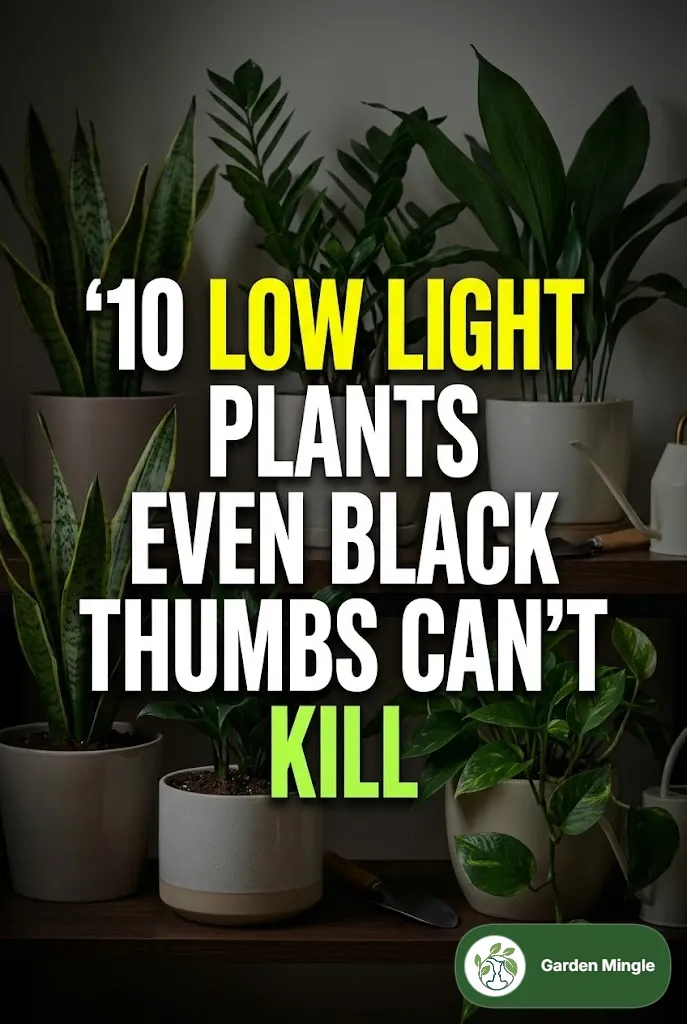
Many of us dream of a lush indoor garden, but not everyone has a green thumb. If you often find yourself struggling to keep plants alive, you’re not alone! The good news is that there are plenty of low light plants that thrive in less-than-ideal conditions. These resilient beauties not only enhance your space but also purify the air, making them perfect for homes and offices. Let’s explore ten low light plants that even the most challenged plant parents can successfully care for.
Quick Answer
For those who struggle with plant care, low light plants like the Snake Plant, Pothos, and ZZ Plant are perfect choices. They require minimal attention, thrive in indirect light, and are forgiving of occasional neglect.
1. Snake Plant (Sansevieria)
The Snake Plant is a champion of low light conditions. Its tall, upright leaves can grow in a variety of shapes and colors, adding a modern touch to your decor.
Care Tips:
- Water when the top inch of soil is dry.
- Allow for good drainage; these plants dislike soggy roots.
- They can tolerate a wide range of temperatures.
2. Pothos (Epipremnum aureum)
Pothos plants are incredibly popular for their cascading vines and heart-shaped leaves. They come in various variegated forms, adding visual interest to any space.
Care Tips:
- Water when the soil feels dry to the touch.
- They thrive in a variety of lighting, including low light.
- Trim the vines to encourage bushier growth.
3. ZZ Plant (Zamioculcas zamiifolia)
The ZZ Plant is nearly indestructible, making it perfect for black thumbs. Its glossy, dark green leaves add a touch of elegance to any room.
Care Tips:
- Water infrequently; let the soil dry out completely between watering.
- It can survive in low light but thrives in indirect light.
- Be cautious of overwatering, as it can lead to root rot.
4. Spider Plant (Chlorophytum comosum)
The Spider Plant is a classic choice that produces adorable “baby” plants that can be propagated easily. Its arching leaves make it a great hanging plant.
Care Tips:
- Water when the top inch of soil is dry.
- Prefers bright, indirect light but can adapt to low light.
- Fertilize every few months during the growing season for best results.
5. Peace Lily (Spathiphyllum)
Peace Lilies are known for their stunning white blooms and lush foliage. They are not only beautiful but also effective at improving indoor air quality.
Care Tips:
- Keep the soil moist but not soggy.
- They thrive in low to medium indirect light.
- Wipe leaves occasionally to remove dust and promote photosynthesis.
6. Cast Iron Plant (Aspidistra elatior)
True to its name, the Cast Iron Plant can withstand a lot of neglect. It has broad, dark green leaves and can survive in various indoor conditions.
Care Tips:
- Water when the soil is dry to the touch.
- It thrives in low light but can tolerate bright indirect light.
- Fertilize sparingly, as it doesn’t require much nutrition.
7. Dracaena (Dracaena spp.)
Dracaena plants are available in many varieties, each with unique leaf shapes and colors. They are forgiving and adapt well to low light conditions.
Care Tips:
- Water when the top inch of soil is dry.
- They prefer indirect light but can survive in low light.
- Be wary of fluoride in tap water, as it can harm the leaves.
8. Parlor Palm (Chamaedorea elegans)
The Parlor Palm is a beautiful, slow-growing palm that adds a tropical feel to your home. It’s perfect for low light spaces and is easy to care for.
Care Tips:
- Water when the soil feels dry to the touch.
- Prefers low to medium light conditions.
- Occasional misting can help maintain humidity.
9. Chinese Evergreen (Aglaonema)
Chinese Evergreens are hardy plants with striking foliage. Their ability to adapt to various light conditions makes them ideal for beginners.
Care Tips:
- Water when the top inch of soil is dry.
- They thrive in low light but do best in indirect sunlight.
- Dust leaves regularly to keep them healthy.
10. Rubber Plant (Ficus elastica)
Rubber Plants are known for their large, glossy leaves. They can grow quite tall and make a bold statement in any room.
Care Tips:
- Water when the top inch of soil is dry.
- They prefer bright, indirect light but can adapt to lower light levels.
- Rotate the plant occasionally for even growth.
Expert Tips
Even low light plants can benefit from a little extra care. Here are some insider tips to ensure your plants thrive:
- Group plants together to create a microclimate and retain humidity.
- Rotate your plants every few weeks to ensure they get even light exposure.
- Consider self-watering pots to simplify your care routine.
Common Questions
1. Can low light plants survive in complete darkness?
No, while low light plants can tolerate dim conditions, they still need some indirect light to survive.
2. How often should I water low light plants?
Watering frequency depends on the plant and the environment, but typically, it’s best to let the top inch of soil dry out before watering again.
3. Do low light plants need fertilizer?
Low light plants generally require less fertilizer than those in bright light. A balanced fertilizer every few months is usually sufficient.
Conclusion
With the right selection, even those with a notorious reputation for killing plants can cultivate a thriving indoor garden. The ten low light plants discussed here offer beauty, air purification, and an easy care routine. Embrace your inner gardener, and don’t hesitate to try your hand at these resilient varieties. Soon enough, your space will be filled with greenery and life!
Leave a Reply