
- Propagating Succulent Leaves in Water: The Definitive Guide - August 16, 2026
- Succulent Pot Size Guide: 8 Things You Need To Know - August 16, 2026
- How to Prune a Succulent? (Complete Guide) - August 16, 2026
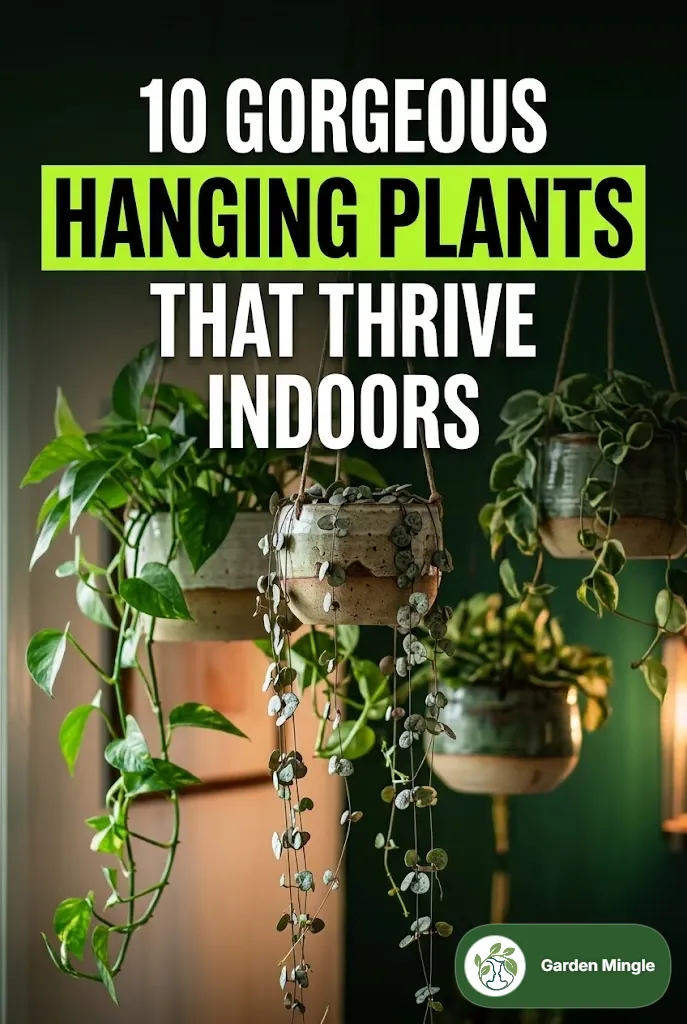
Bringing the beauty of nature indoors can transform any space, and hanging plants are a delightful way to do just that. These green wonders not only add a splash of color but also purify the air and create a calming atmosphere. If you’re looking to elevate your indoor gardening game, check out these ten gorgeous hanging plants that thrive indoors. Each plant offers unique beauty and care requirements, making it easy to find the perfect fit for your home.
Quick Answer
Hanging plants are an excellent choice for indoor gardening, providing beauty and fresh air. Ten popular options include Pothos, Spider Plant, and String of Pearls, each thriving in various indoor conditions.
1. Pothos (Epipremnum aureum)
Pothos is a favorite among indoor gardeners, known for its heart-shaped leaves and trailing vines. This plant is incredibly adaptable, thriving in low light and requiring minimal care.
Care Tips
- Light: Tolerates low to bright indirect light.
- Water: Water when the top inch of soil is dry.
- Humidity: Prefers moderate humidity but is forgiving.
2. Spider Plant (Chlorophytum comosum)
The Spider Plant is a classic houseplant that produces arching leaves and charming baby spiderettes. It’s perfect for hanging baskets, where it can cascade beautifully.
Care Tips
- Light: Thrives in bright, indirect sunlight.
- Water: Allow the soil to dry slightly between waterings.
- Humidity: Enjoys higher humidity but adapts well to normal home conditions.
3. String of Pearls (Senecio rowleyanus)
This unique succulent features long, bead-like leaves that trail down, creating a stunning visual effect. The String of Pearls is ideal for bright, sunny spots in your home.
Care Tips
- Light: Prefers bright, direct sunlight.
- Water: Let the soil dry out completely between waterings.
- Humidity: Low humidity is acceptable; avoid excessive moisture.
4. Boston Fern (Nephrolepis exaltata)
For those who enjoy a lush, green look, the Boston Fern is a fantastic choice. Its feathery fronds create a soft, cascading effect that adds elegance to any room.
Care Tips
- Light: Prefers indirect light; avoid direct sunlight.
- Water: Keep the soil consistently moist, but not soggy.
- Humidity: Thrives in high humidity, making it perfect for bathrooms.
5. Chain of Hearts (Ceropegia woodii)
This charming plant features heart-shaped leaves that dangle beautifully from its stems. The Chain of Hearts is not only visually appealing but also easy to care for.
Care Tips
- Light: Enjoys bright, indirect light.
- Water: Water when the top inch of soil is dry.
- Humidity: Prefers moderate humidity levels.
6. Hoya (Hoya carnosa)
Commonly known as the Wax Plant, Hoya features thick, waxy leaves and produces beautiful clusters of star-shaped flowers. It’s a slow-growing plant, but it rewards patience with stunning blooms.
Care Tips
- Light: Thrives in bright, indirect light.
- Water: Allow the soil to dry out between waterings.
- Humidity: Prefers humidity but can tolerate average home conditions.
7. Philodendron (Philodendron spp.)
Philodendrons are highly versatile plants, offering a wide range of leaf shapes and sizes. Their trailing vines make them perfect for hanging pots, adding a tropical vibe to your home.
Care Tips
- Light: Best in bright, indirect light.
- Water: Water when the top inch of the soil feels dry.
- Humidity: Enjoys higher humidity but is adaptable.
8. ZZ Plant (Zamioculcas zamiifolia)
The ZZ Plant is a hardy choice for those new to indoor gardening. Its glossy, dark green leaves can brighten up any corner, and it requires very little attention.
Care Tips
- Light: Thrives in low to bright indirect light.
- Water: Allow the soil to dry out completely between watering.
- Humidity: Ideal for low humidity environments.
9. Burro’s Tail (Sedum morganianum)
This succulent is known for its trailing stems covered in plump, blue-green leaves. Burro’s Tail is not only beautiful but also drought-tolerant, making it a low-maintenance option.
Care Tips
- Light: Prefers bright, indirect sunlight.
- Water: Water sparingly; let the soil dry out completely.
- Humidity: Low humidity is acceptable.
10. Devil’s Ivy (Scindapsus aureus)
Also known as Golden Pothos, Devil’s Ivy features striking variegated leaves. It’s an excellent choice for adding greenery without needing a green thumb.
Care Tips
- Light: Adaptable to low and bright indirect light.
- Water: Water when the top inch of soil is dry.
- Humidity: Tolerates average humidity levels.
Expert Tips for Success
To ensure your hanging plants thrive, consider these expert tips:
- Location: Choose a spot with the right light conditions for your plant type.
- Fertilization: Use a balanced fertilizer during the growing season for healthy growth.
- Pruning: Regularly prune dead or yellowing leaves to encourage new growth.
Common Questions
1. How often should I water my hanging plants?
It depends on the plant type, but generally, water when the top inch of soil is dry. Always ensure proper drainage to prevent root rot.
2. Can I grow hanging plants in low light?
Yes, many hanging plants, like Pothos and ZZ Plant, thrive in low-light conditions, making them perfect for darker rooms.
3. What should I do if my hanging plant is not thriving?
Check the light, water, and humidity conditions. Adjust as necessary and consider repotting if the plant is root-bound.
Conclusion
Incorporating hanging plants into your home is a fantastic way to enhance the aesthetic and improve air quality. With a variety of options to choose from, you can easily find plants that fit your style
Leave a Reply