
- Propagating Succulent Leaves in Water: The Definitive Guide - August 16, 2026
- Succulent Pot Size Guide: 8 Things You Need To Know - August 16, 2026
- How to Prune a Succulent? (Complete Guide) - August 16, 2026
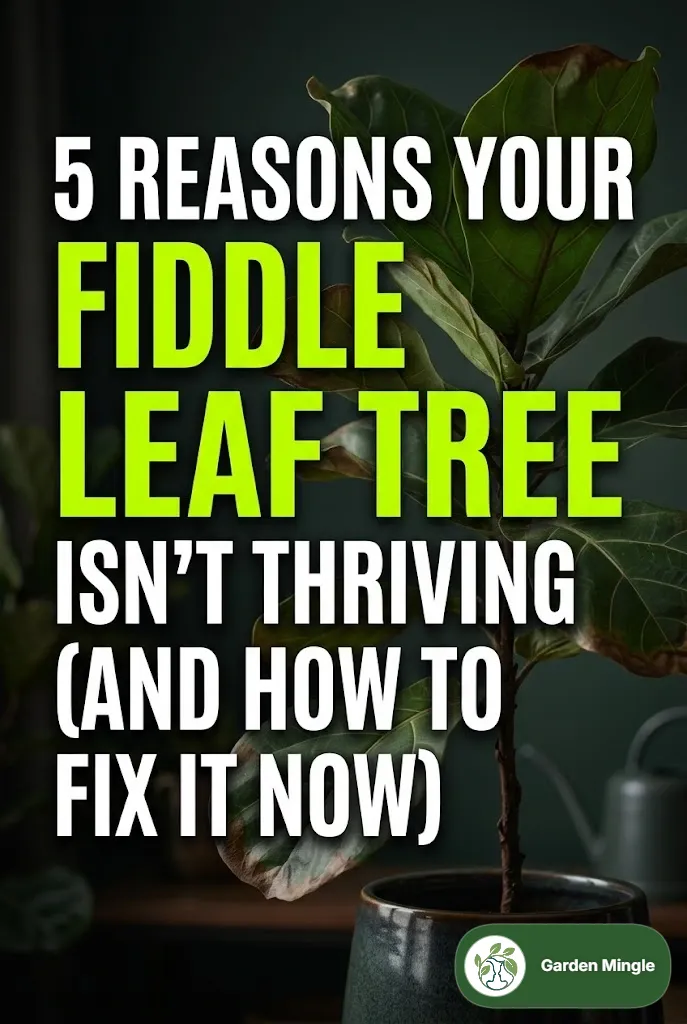
Share the post "5 Reasons Your Fiddle Leaf Tree Isn’t Thriving (And How to Fix It Now)"
If your fiddle leaf fig tree isn’t thriving, it can be frustrating, especially when you’ve invested time and care into nurturing it. These beautiful plants are known for their large, glossy leaves and ability to elevate any indoor space. However, they can be quite picky about their growing conditions. Let’s explore the common reasons why your fiddle leaf fig might be struggling and how you can turn things around to ensure it flourishes in your home.
Quick Answer
If your fiddle leaf fig tree isn’t thriving, it might be due to inadequate light, improper watering, pests, poor soil quality, or temperature fluctuations. Address these issues promptly to improve its health and vitality.
1. Inadequate Light
Fiddle leaf figs thrive in bright, indirect light. If your plant is not getting enough light, it will start to show signs of distress, such as drooping leaves or slow growth.
How to Fix It:
- Assess Light Levels: Check the location of your plant. Ideally, it should be near a window that receives ample indirect sunlight.
- Rotate Regularly: If the leaves are leaning towards the light source, rotate the pot every few weeks to ensure even growth.
- Consider Supplemental Lighting: If natural light is limited, consider using a grow light to provide the necessary brightness.
2. Improper Watering
Overwatering and underwatering are two common mistakes that can lead to a droopy or wilting fiddle leaf fig. Both conditions can cause root rot or dehydration, respectively.
How to Fix It:
- Check the Soil Moisture: Stick your finger about an inch into the soil. If it feels dry, it’s time to water. If it’s still moist, wait a few more days.
- Water Thoroughly: When you do water, ensure that water flows out of the drainage holes. This helps flush out any accumulated salts.
- Adjust Watering Schedule: Fiddle leaf figs generally prefer to dry out slightly between waterings. Adjust according to your home’s humidity and temperature.
3. Pests and Diseases
Pests such as spider mites, mealybugs, and scale can wreak havoc on your fiddle leaf fig, causing leaf damage and stunted growth. Fungal infections can also develop if the conditions are too humid.
How to Fix It:
- Regular Inspections: Routinely check the undersides of leaves and stems for pests. Look for sticky residue or webbing, which can indicate an infestation.
- Use Insecticidal Soap: Treat any pests with insecticidal soap or neem oil. Be sure to follow the instructions carefully.
- Improve Air Circulation: Ensure your plant has good air circulation to discourage fungal growth. Avoid overcrowding with other plants.
4. Poor Soil Quality
The type of soil you use for your fiddle leaf fig can significantly impact its health. Soil that retains too much moisture or lacks essential nutrients can hinder growth.
How to Fix It:
- Use Well-Draining Soil: Opt for a potting mix specifically designed for fiddle leaf figs or a mixture of potting soil, perlite, and orchid bark for optimal drainage.
- Re-pot When Necessary: If your plant is root-bound or the soil is compacted, consider re-potting it into fresh soil. This can rejuvenate its growth.
- Fertilize Wisely: Use a balanced fertilizer during the growing season every 4-6 weeks to provide essential nutrients.
5. Temperature Fluctuations
Fiddle leaf figs prefer a stable environment. They do not respond well to drafts, sudden temperature changes, or extreme heat. If your home is too cold or too hot, your plant may begin to suffer.
How to Fix It:
- Avoid Drafts: Keep your fiddle leaf fig away from windows or doors that frequently open and close, as well as heating vents.
- Maintain Temperature: Aim for a consistent temperature between 60°F to 75°F (15°C to 24°C). Use a thermometer to monitor the environment.
- Humidity Matters: Fiddle leaf figs appreciate humidity. If your home is dry, consider using a humidifier or placing a tray of water nearby to increase moisture levels.
Pinterest-Style Ideas to Revive Your Fiddle Leaf Fig
- Stunning Pot Choices: Choose a decorative pot that complements your interior while ensuring drainage.
- Leaf Shine: Use a gentle leaf shine solution to enhance the glossy appearance of the leaves.
- Creative Plant Stands: Elevate your plant with a stylish stand to create an eye-catching display.
- Grouping Plants: Pair your fiddle leaf fig with other greenery for a lush, indoor jungle feel.
- DIY Plant Care Journal: Document your plant’s growth, care routine, and changes to track improvements over time.
Expert Tips for Thriving Fiddle Leaf Figs
- Leaf Dusting: Regularly dust the leaves with a damp cloth to allow the plant to absorb more light.
- Propagation: If your plant is thriving, consider propagating a healthy leaf to create another fiddle leaf fig.
- Patience is Key: Remember that changes may take time; be consistent with care before expecting results.
Common Questions (FAQ)
Why are the leaves on my fiddle leaf fig turning brown?
Browning leaves can indicate overwatering, underwatering, or too much direct sunlight. Assess your watering routine and light exposure to determine the cause.
How often should I fertilize my fiddle leaf fig?
Fertilize every 4-6 weeks during the growing season (spring and summer) with a balanced fertilizer to promote healthy growth.
Can I keep my fiddle leaf fig outdoors?
Fiddle leaf figs can be kept outdoors during warm months, but ensure they are protected from direct sunlight and extreme temperatures.
What is the best pot size for my fiddle leaf fig?
Choose a pot that is 1-2 inches larger in diameter than the current one. Ensure it has drainage holes to prevent root rot.
How can I tell if my fiddle leaf fig is root-bound?
If you notice roots growing out of the drainage holes or the plant is not growing despite proper care, it may be root-bound and need re-potting.
Conclusion
Reviving your fiddle leaf fig doesn’t have to be a daunting task. By addressing issues like light, watering, pests, soil quality, and temperature, you can create an environment where your plant flourishes. With a little attention and care, your fiddle leaf fig will soon be the stunning centerpiece you envisioned. Happy gardening!
Leave a Reply