
- Propagating Succulent Leaves in Water: The Definitive Guide - August 16, 2026
- Succulent Pot Size Guide: 8 Things You Need To Know - August 16, 2026
- How to Prune a Succulent? (Complete Guide) - August 16, 2026
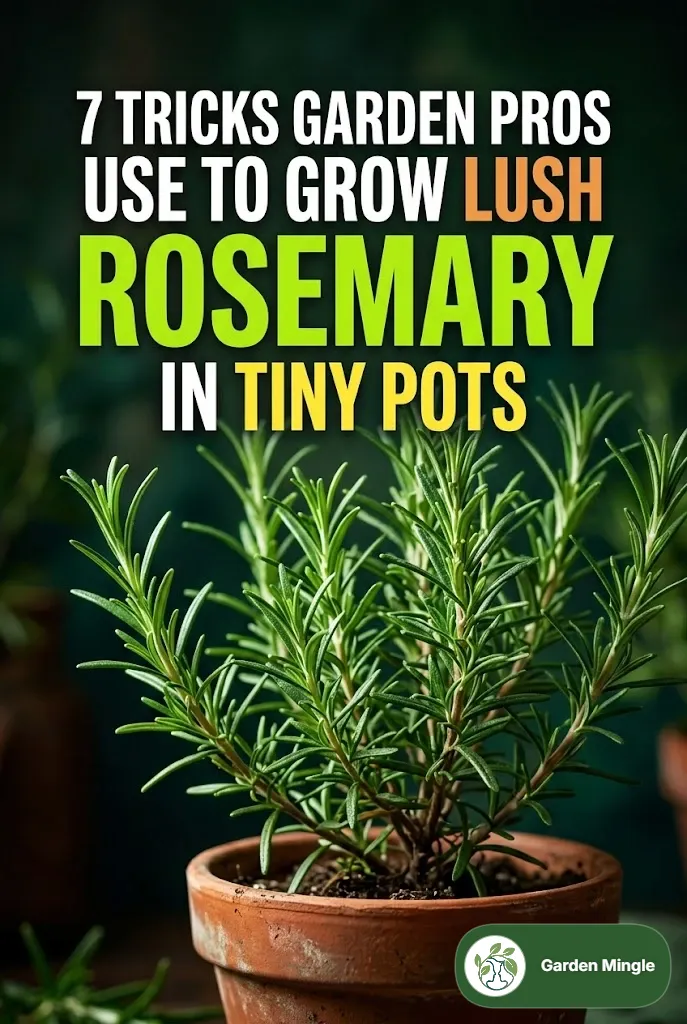
Share the post "7 Tricks Garden Pros Use to Grow Lush Rosemary in Tiny Pots"
Imagine stepping into your kitchen and being greeted by the fresh, invigorating aroma of rosemary. This herb, known for its culinary uses and aromatic properties, can thrive beautifully even in the tiniest of pots. However, growing lush rosemary requires some know-how. Whether you’re short on space or just want to add a touch of greenery to your home, mastering the art of rosemary cultivation can be incredibly rewarding. Here are seven tricks that garden pros use to ensure their rosemary plants flourish in limited spaces.
Quick Answer
To grow lush rosemary in tiny pots, focus on proper drainage, provide ample sunlight, use high-quality soil, and maintain consistent watering. Additionally, consider regular pruning, fertilizing sparingly, and choosing the right pot size to encourage healthy growth.
1. Choose the Right Pot
The foundation of a healthy rosemary plant starts with selecting the right pot. A pot that is too small can restrict root growth, while one that is too large can retain excess moisture, leading to root rot. Here’s what to consider:
- Size: Aim for a pot that is at least 6 inches in diameter and 6-8 inches deep. This provides enough room for roots to expand without overwhelming the plant.
- Material: Terracotta pots are ideal for rosemary as they are porous and allow for better airflow, helping to prevent overwatering.
2. Prioritize Drainage
Drainage is crucial for rosemary plants, as they thrive in dry conditions. Here’s how to ensure your pot drains well:
- Drainage holes: Ensure your pot has sufficient drainage holes at the bottom. This prevents water from pooling and reduces the risk of root rot.
- Layering: Place a layer of gravel or small stones at the bottom of the pot before adding soil. This helps facilitate drainage and keeps the roots dry.
3. Use the Right Soil Mix
The soil you choose can significantly impact your rosemary’s health. Opt for a well-draining potting mix to mimic its natural growing conditions. Here are some tips:
- Soil type: Use a mix designed for herbs or cacti, which usually contains sand or perlite for increased drainage.
- pH level: Rosemary prefers a slightly acidic to neutral pH (6.0 to 7.0). You can test your soil and amend it as needed.
4. Provide Ample Sunlight
Rosemary thrives in bright, direct sunlight. Placing your pots in the right location is essential for robust growth. Consider these tips for optimal sun exposure:
- Location: A south-facing window is ideal, but if that’s not an option, ensure your rosemary gets at least 6-8 hours of sunlight daily.
- Rotation: Rotate your pots every week to ensure all sides of the plant receive equal sunlight, promoting even growth.
5. Water Wisely
Overwatering is one of the most common mistakes made when growing rosemary. Here’s how to water wisely:
- Check moisture: Before watering, check the top inch of soil. If it feels dry, it’s time to water. If it’s still moist, wait a few more days.
- Method: Water thoroughly until it drains from the bottom, ensuring the entire root system is hydrated, but allow the soil to dry out between waterings.
6. Fertilize Sparingly
While rosemary doesn’t require much fertilization, a little can help boost growth. However, too much can do more harm than good. Here are some guidelines:
- Type: Use a balanced, water-soluble fertilizer diluted to half strength.
- Frequency: Fertilize every 4-6 weeks during the growing season (spring and summer), but skip it in the fall and winter.
7. Prune Regularly
Regular pruning encourages bushier growth and prevents the plant from becoming leggy. Here are some pruning tips:
- Timing: Prune rosemary in early spring before new growth begins. This helps shape the plant and encourages fuller foliage.
- Technique: Use clean, sharp scissors to trim back about one-third of the plant, focusing on removing any leggy stems and dead leaves.
Pinterest-Style Ideas
Adding rosemary to your space can also be visually appealing. Here are some Pinterest-worthy ideas:
- Herb Spiral: Create an herb spiral by placing small pots of rosemary along a spiral path in your garden or patio, adding vertical interest.
- Decorative Labels: Use decorative labels or chalkboard paint to identify your rosemary pots, adding a charming touch to your kitchen or windowsill.
- Hanging Planters: Utilize hanging planters to save space and create a stunning display of rosemary cascading down.
Expert Tips
Here are some insider tips that can take your rosemary growing experience to the next level:
- Companion planting: Rosemary naturally repels certain pests. Consider planting it alongside vegetables like cabbage and beans to deter harmful insects.
- Harvesting: Regularly snip off sprigs for culinary use to encourage growth. This keeps the plant healthy and productive.
- Winter care: If you live in a colder climate, bring your rosemary indoors during winter. Place it in a sunny spot and reduce watering.
Common Questions
How often should I water my rosemary in a pot?
Water your potted rosemary when the top inch of soil feels dry. This could be anywhere from every few days to once a week, depending on the climate.
Can rosemary survive indoors?
Yes, rosemary can thrive indoors as long as it receives plenty of sunlight and is not overwatered.
Why are the leaves on my rosemary turning yellow?
Yellow leaves can indicate overwatering or poor drainage. Check your watering habits and ensure your pot has adequate drainage.
When is the best time to prune rosemary?
The best time to prune rosemary is in early spring before new growth starts, which encourages a fuller plant.
Conclusion
Growing lush rosemary in tiny pots is not only feasible but can also be a delightful endeavor. By choosing the right pot, ensuring proper drainage, providing ample sunlight, and following these pro tips, you can enjoy a thriving rosemary plant right in your home. So, roll up your sleeves, get those pots ready, and let the aromatic journey begin!
Leave a Reply