
- Propagating Succulent Leaves in Water: The Definitive Guide - August 16, 2026
- Succulent Pot Size Guide: 8 Things You Need To Know - August 16, 2026
- How to Prune a Succulent? (Complete Guide) - August 16, 2026
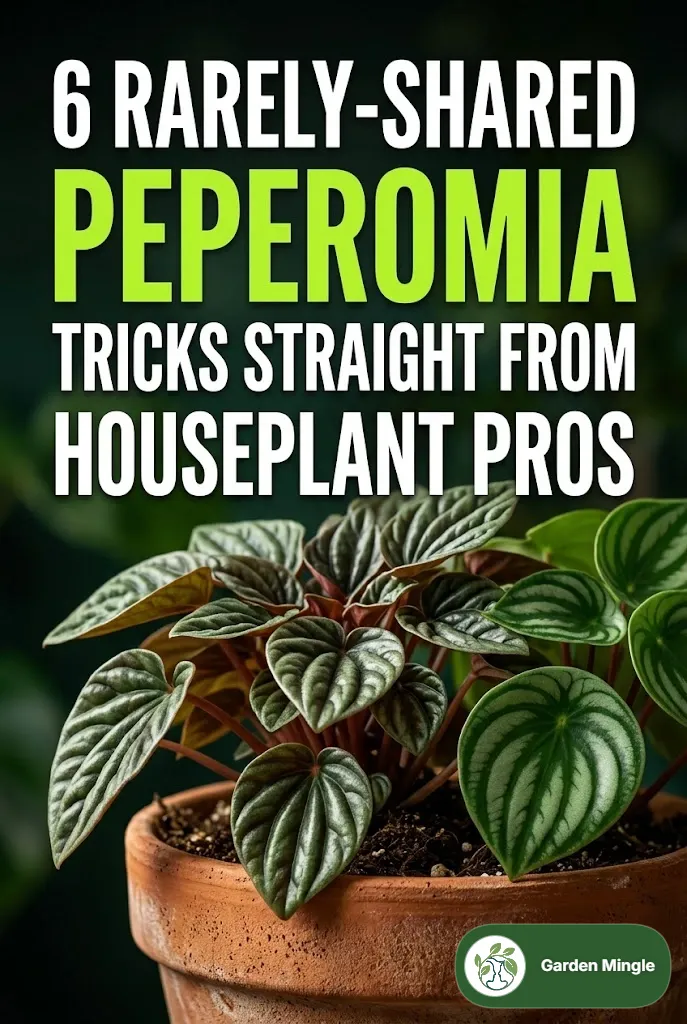
Share the post "6 Rarely-Shared Peperomia Tricks Straight From Houseplant Pros"
Peperomias are among the most charming houseplants, adored for their unique foliage and low-maintenance care. While many plant lovers know the basics of watering and light requirements, there are some insider tips that can elevate your Peperomia game. Whether you’re a seasoned enthusiast or a curious beginner, these rarely-shared tricks will help your plants thrive, bringing you joy and a touch of green to your home.
Quick Answer
To enhance your Peperomia care, consider these six expert tricks: proper soil mix, humidity control, strategic pruning, pest management, propagation techniques, and seasonal care adjustments. These insights will ensure your Peperomia not only survives but flourishes.
Understanding Peperomia
Peperomias are a diverse genus of plants, consisting of over 1,000 species. They feature various leaf shapes and colors, making them visually appealing. Native to tropical and subtropical regions, these plants are well-suited for indoor environments, where they can adapt to lower light conditions.
1. Optimize Your Soil Mix
Many houseplant enthusiasts overlook the importance of a well-balanced soil mix. Peperomias thrive in a light, well-draining medium that retains some moisture without becoming soggy. Here’s how you can create the ideal mix:
- Base Mix: Use a high-quality potting soil as your base.
- Perlite or Pumice: Add 20-30% perlite or pumice to improve aeration and drainage.
- Coconut Coir or Peat Moss: Incorporate a small amount (10-20%) to help retain moisture without over-saturating the soil.
This mix will provide your Peperomia with the right balance of nutrients and moisture while preventing root rot.
2. Maintain Ideal Humidity Levels
While Peperomias are tolerant of low humidity, they will thrive in environments that mimic their native habitats. Here are some ways to boost humidity:
- Group Plants: Place your Peperomia with other houseplants to create a micro-humid environment.
- Humidity Trays: Set a shallow tray filled with water and pebbles beneath the pot to increase moisture in the air.
- Regular Misting: Lightly mist the leaves occasionally, especially during dry months, to enhance humidity.
These methods can help prevent leaf curling and promote healthy growth.
3. Strategic Pruning for Growth
Pruning is often seen as a daunting task, but it’s essential for maintaining the health and shape of your Peperomia. Here’s how to do it effectively:
- Remove Dead Leaves: Regularly check for yellowing or dead leaves and snip them off at the base.
- Encourage Bushiness: Pinch back the tips of stems to encourage branching and a fuller appearance.
- Timing Matters: Prune during the growing season (spring to early summer) for the best results.
These simple steps can promote new growth and improve the overall aesthetics of your plant.
4. Pest Management Techniques
Pests can be a significant threat to your Peperomia, but early detection and management can keep them at bay. Here’s what to look for and how to treat infestations:
- Common Pests: Watch for mealybugs, aphids, and spider mites.
- Regular Inspections: Check your plants weekly for signs of pests, especially on the undersides of leaves.
- Natural Remedies: Use insecticidal soap or neem oil as a preventive measure or to treat infestations.
Staying proactive with pest management can save your plant from severe damage and maintain its vitality.
5. Propagation Made Easy
Peperomias are incredibly easy to propagate, making them a perfect choice for sharing with friends or expanding your collection. Here’s how you can do it:
- Leaf Cuttings: Take a healthy leaf and cut it with a small piece of stem. Allow it to callous for a few hours.
- Water Propagation: Place the cutting in water and wait for roots to form, typically within a few weeks.
- Potting: Once roots are established, transfer to your well-draining soil mix.
Propagation is not only rewarding but also a great way to create new plants without spending a dime!
6. Seasonal Care Adjustments
As the seasons change, so do the needs of your Peperomia. Paying attention to these seasonal adjustments can make a significant difference:
- Spring/Summer: Increase watering frequency as the plant enters its growing season. Fertilize every 4-6 weeks with a balanced liquid fertilizer.
- Fall/Winter: Reduce watering and halt fertilization as the plant goes dormant. Ensure it receives adequate light, but avoid direct sunlight.
- Temperature Awareness: Keep your Peperomia in a stable environment, avoiding sudden temperature fluctuations.
Adapting your care routine to the seasons can enhance growth and longevity.
Pinterest-Style Ideas for Peperomia Lovers
- Vertical Gardens: Create a stunning vertical garden with various Peperomia species for a unique display.
- DIY Terrariums: Combine Peperomias with other small plants in a glass terrarium for a beautiful centerpiece.
- Colorful Displays: Mix different leaf colors and shapes to create an eye-catching indoor garden.
- Artistic Pots: Use decorative pots that complement the foliage for a stylish touch.
Expert Tips Section
Here are a few lesser-known insights from seasoned Peperomia enthusiasts:
- Rotate Your Plant: To encourage even growth, rotate your Peperomia every few weeks so all sides receive equal light.
- Check the Roots: If your plant is struggling, gently remove it from the pot to inspect the roots for rot or overcrowding.
- Companion Planting: Consider pairing Peperomias with other low-light houseplants to create a harmonious indoor ecosystem.
Common Questions
How often should I water my Peperomia?
Water your Peperomia when the top inch of soil feels dry. Generally, this may be every 1-2 weeks, depending on the environment.
Can Peperomias tolerate low light?
Yes, Peperomias are adaptable and can thrive in low-light conditions, though they prefer bright indirect light for optimal growth.
What is the best fertilizer for Peperomia?
A balanced liquid fertilizer diluted to half strength is ideal during the growing season. Avoid high-nitrogen fertilizers.
Conclusion
By implementing these six rarely-shared tricks, you can transform your Peperomia into a thriving indoor gem. With the right care, these plants will not only survive but flourish, adding beauty and life to your home. Embrace your green thumb, and enjoy the journey of growing these delightful houseplants!
Leave a Reply