
- Propagating Succulent Leaves in Water: The Definitive Guide - August 16, 2026
- Succulent Pot Size Guide: 8 Things You Need To Know - August 16, 2026
- How to Prune a Succulent? (Complete Guide) - August 16, 2026
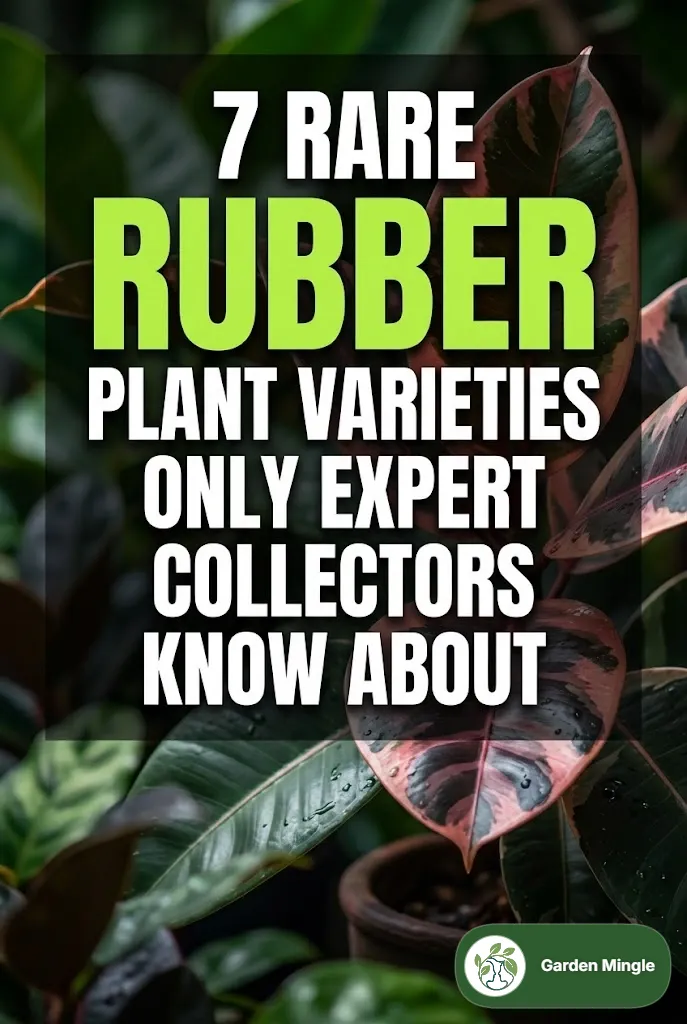
Share the post "7 Rare Rubber Plant Varieties Only Expert Collectors Know About"
Rubber plants, known for their glossy leaves and air-purifying qualities, have captured the hearts of many houseplant enthusiasts. While the common varieties are popular, there are rare rubber plant varieties that only expert collectors are aware of. These unique plants not only add a touch of elegance to your indoor garden but also serve as conversation starters. Let’s explore seven of these rare rubber plant varieties that are sure to pique your interest.
1. Ficus elastica 'Burgundy'
The ‘Burgundy’ rubber plant is a stunning variety characterized by its deep burgundy leaves that appear almost black in low light. This variety thrives in bright, indirect sunlight and can grow up to 8 feet tall in optimal conditions. With its dramatic foliage, the ‘Burgundy’ is perfect for making a bold statement in any room.
Care Tips
- Water when the top inch of soil is dry.
- Avoid direct sunlight, which can scorch the leaves.
- Use a well-draining potting mix to prevent root rot.
2. Ficus elastica 'Tineke'
The ‘Tineke’ rubber plant is notable for its striking variegated leaves, which feature creamy white and green patterns. This variety is not only beautiful but also relatively easy to care for, making it a favorite among collectors. The ‘Tineke’ can grow quite large, adding an impressive presence to your plant collection.
Care Tips
- Place in bright, indirect light to maintain its variegation.
- Keep the humidity levels moderate for optimal growth.
- Fertilize every month during the growing season.
3. Ficus elastica 'Ruby'
The ‘Ruby’ rubber plant is a rare gem with pinkish-red variegation on its leaves, creating a beautiful contrast against the deep green background. This variety is ideal for those looking to add a splash of color to their indoor spaces. The ‘Ruby’ can adapt well to various light conditions but flourishes best in bright, filtered light.
Care Tips
- Rotate the plant regularly for even growth.
- Monitor for pests, as variegated plants can be more susceptible.
- Water less frequently in winter to prevent overwatering.
4. Ficus elastica 'Decora'
The ‘Decora’ rubber plant is a lesser-known variety that boasts large, glossy leaves with a rich green hue. This variety is often overlooked due to its more subdued color, but its size and shape make it a standout. The ‘Decora’ can grow to impressive heights, making it a perfect choice for filling empty corners in your home.
Care Tips
- Ensure it receives ample light to promote healthy growth.
- Keep the soil consistently moist but not soggy.
- Dust the leaves regularly to keep them shiny and healthy.
5. Ficus elastica 'Black Prince'
<pIf you're seeking a truly unique rubber plant, the 'Black Prince' is an exceptional choice. With its dark, almost black leaves and striking shape, this variety stands out in any collection. It thrives in warm conditions and is relatively easy to care for, making it suitable for both novice and experienced collectors.
Care Tips
- Provide bright, indirect light for optimal growth.
- Maintain higher humidity levels to keep the leaves healthy.
- Fertilize sparingly, as this variety does not require much feeding.
6. Ficus elastica 'Abidjan'
The ‘Abidjan’ rubber plant is known for its large, leathery leaves that display a beautiful gradient of green and cream colors. This variety is not only visually appealing but also hardy, making it a great addition to any indoor garden. The ‘Abidjan’ can grow to impressive heights, making it an excellent focal point in your living space.
Care Tips
- Place in a well-lit area, avoiding direct sunlight.
- Allow the soil to dry out between waterings.
- Prune occasionally to maintain its shape and size.
7. Ficus elastica 'Melany'
The ‘Melany’ rubber plant is a rare variety with striking dark green leaves and a unique leaf shape. This variety is less common in the market, making it a prized possession for collectors. The ‘Melany’ is known for its robust growth, making it a great choice for those looking to make a statement with their plants.
Care Tips
- Keep in a bright, well-ventilated area.
- Water only when the top layer of soil feels dry.
- Fertilize every couple of months during the growing season.
Expert Tips for Collecting Rare Rubber Plants
As you explore the world of rare rubber plant varieties, consider these expert tips:
- Join plant collector groups to learn about new varieties and care techniques.
- Visit specialty nurseries or online plant shops for hard-to-find varieties.
- Always check the health of the plant before purchasing to ensure you’re adding a quality specimen to your collection.
Common Questions
Are rubber plants easy to care for?
Yes, rubber plants are generally easy to care for, but they do have specific light and watering needs. Providing the right conditions will ensure they thrive.
How often should I water my rubber plant?
Water your rubber plant when the top inch of soil feels dry. Be cautious not to overwater, as this can lead to root rot.
Can rubber plants tolerate low light?
While rubber plants can survive in low light, they thrive best in bright, indirect light. Insufficient light can hinder their growth and reduce leaf color.
Conclusion
Exploring the world of rare rubber plant varieties is a rewarding journey that can lead to a stunning indoor garden. Each of these unique plants offers something special, from vibrant colors to unique leaf shapes. As you curate your collection, remember to enjoy the process and learn about each variety’s specific needs. Happy planting!
Leave a Reply