
- Propagating Succulent Leaves in Water: The Definitive Guide - August 16, 2026
- Succulent Pot Size Guide: 8 Things You Need To Know - August 16, 2026
- How to Prune a Succulent? (Complete Guide) - August 16, 2026
Share the post "7 Critical Steps to Grow Small Plants (Skip Them at Your Own Risk)"
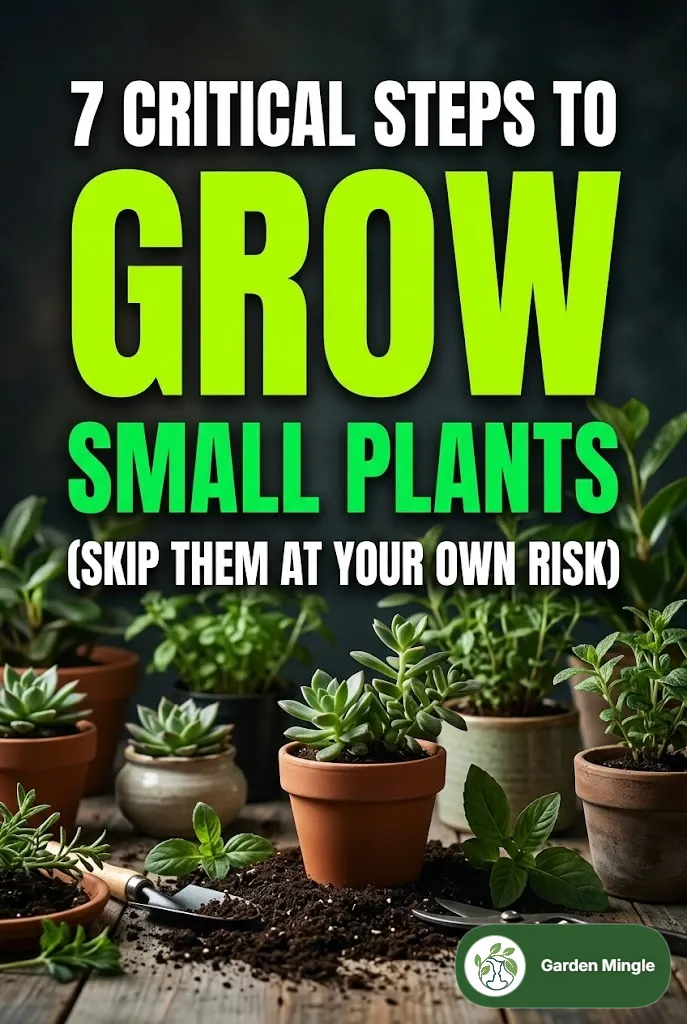
Growing small plants can be a rewarding endeavor, whether you’re beautifying your home or cultivating a mini-garden on your balcony. However, many budding gardeners overlook essential steps that can make or break their plant-growing experience. From choosing the right soil to understanding light requirements, each step plays a critical role in ensuring your small plants thrive. Let’s explore the seven vital steps that you must follow to grow small plants successfully—skipping any of them could lead to less-than-satisfactory results!
1. Choose the Right Plants
Before you dig into planting, it’s crucial to select plants that suit your environment and skill level. Consider the following:
- Light Requirements: Know how much sunlight your space receives daily.
- Climate Compatibility: Choose plants that thrive in your local climate conditions.
- Space Constraints: Ensure your chosen plants won’t outgrow their space quickly.
Popular small plants for beginners include pothos, spider plants, and succulents, which are relatively easy to care for.
2. Use Quality Soil
The foundation of a healthy plant is quality soil. Poor soil can lead to stunted growth and disease. Here’s how to choose the right mix:
- Drainage: Ensure the soil allows excess water to drain away. Look for potting soil blends designed for small plants.
- Nutrients: Opt for soil that contains organic matter for better nutrient availability.
- pH Balance: Most small plants thrive in slightly acidic to neutral soil (pH 6.0 to 7.0).
3. Pot Selection Matters
The pot you choose can significantly affect your plant’s growth. Consider these factors:
- Size: Choose a pot that is appropriately sized for your plant—too large can lead to root rot, while too small can stunt growth.
- Material: Terracotta pots are porous and allow for good airflow, while plastic pots retain moisture better.
- Drainage Holes: Always select pots with drainage holes to prevent water accumulation.
4. Understand Watering Needs
Watering is both an art and a science. Overwatering or underwatering can lead to plant stress. Here are some tips:
- Check Soil Moisture: Stick your finger about an inch into the soil. If it feels dry, it’s time to water.
- Water Thoroughly: When you do water, ensure that it reaches the roots; water until it drains from the bottom of the pot.
- Use Room Temperature Water: Cold water can shock plants, so let your water sit for a bit before use.
5. Light is Essential
Light plays a crucial role in a plant’s ability to photosynthesize and grow. Here’s how to ensure your plants get the right amount of light:
- Identify Light Levels: Determine whether your space has low, medium, or bright light and choose plants accordingly.
- Rotate Plants: Rotate your pots every few weeks to ensure even light exposure.
- Supplemental Lighting: Consider grow lights if natural light is insufficient, especially during winter months.
6. Fertilize Wisely
Feeding your plants is essential for growth, but it’s easy to overdo it. Follow these guidelines for effective fertilization:
- Choose the Right Fertilizer: Use a balanced fertilizer designed for small plants or houseplants.
- Frequency: Fertilize every 4-6 weeks during the growing season (spring and summer) and reduce in fall and winter.
- Follow Instructions: Always adhere to the recommended dosage to avoid burning the roots.
7. Monitor for Pests and Diseases
Even small plants are susceptible to pests and diseases. Regular monitoring can save your plants from significant damage. Here’s what to do:
- Inspect Regularly: Check the undersides of leaves and soil for signs of pests like aphids and spider mites.
- Act Quickly: Remove any affected leaves and isolate infected plants to prevent spreading.
- Use Natural Remedies: Consider using neem oil or insecticidal soap as a natural pest control method.
Expert Tips for Growing Small Plants
Here are some insider tips that can help you take your small plant care to the next level:
- Humidity Levels: Many small plants thrive in higher humidity. Mist them regularly or use a humidity tray.
- Group Plants: Placing plants close together can create a microclimate, increasing humidity and helping them thrive.
- Seasonal Adjustments: Be prepared to adjust care routines as seasons change, especially regarding light and watering.
Common Questions About Growing Small Plants
What is the best way to propagate small plants?
Propagation can be done through cuttings, division, or seeds, depending on the plant. Research the best method for your specific plant type.
How often should I repot my small plants?
Generally, repot every 1-2 years or when you notice roots growing out of the drainage holes.
Can I grow small plants indoors?
Absolutely! Many small plants are well-suited for indoor environments, just ensure they receive adequate light.
Conclusion
Growing small plants can be a delightful journey filled with learning and discovery. By following these seven critical steps, you can create a thriving environment for your plants and enjoy the many benefits they offer. Remember, each plant is unique, so don’t hesitate to adjust your care routine as needed. Happy gardening!
Leave a Reply