
- Propagating Succulent Leaves in Water: The Definitive Guide - August 16, 2026
- Succulent Pot Size Guide: 8 Things You Need To Know - August 16, 2026
- How to Prune a Succulent? (Complete Guide) - August 16, 2026
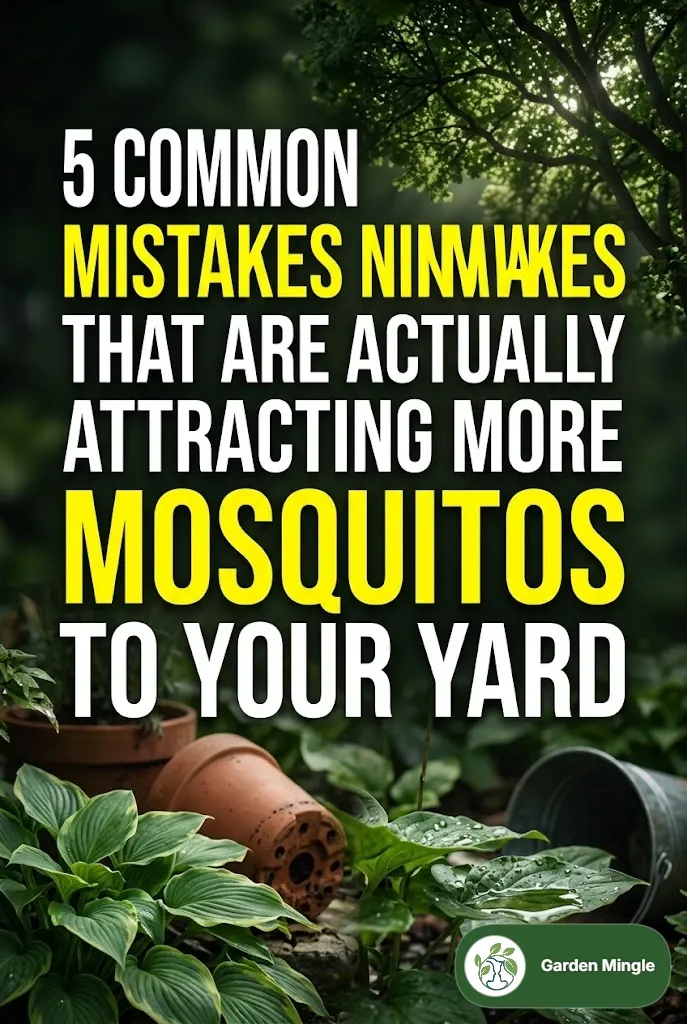
Share the post "5 Common Mistakes That Are Actually Attracting More Mosquitos to Your Yard"
Summer evenings can be magical, but the presence of mosquitoes can quickly turn them into a nightmare. You might be doing everything you can to keep these pesky insects at bay, yet your yard seems to attract them more than ever. It can be frustrating to feel like you’re losing the battle against mosquitoes, especially when you’re unknowingly contributing to the problem. Understanding the common mistakes that invite mosquitoes can help you reclaim your outdoor space and enjoy those warm nights again.
Quick Answer
Five common mistakes that attract more mosquitoes to your yard include overwatering your garden, not maintaining your gutters, neglecting to remove standing water, using certain plants, and failing to use natural repellents effectively. Addressing these issues can significantly reduce mosquito activity in your area.
1. Overwatering Your Garden
It’s easy to think that a lush, green garden is a healthy garden. However, overwatering can create the perfect breeding ground for mosquitoes. When soil becomes overly saturated, it can lead to water pooling, which is exactly what mosquitoes look for to lay their eggs.
How to Fix It
- Water Wisely: Water your plants early in the morning or late in the afternoon to minimize evaporation and reduce the chances of water pooling.
- Check Soil Moisture: Use a moisture meter or your finger to check if the soil is dry before watering.
- Use Drip Irrigation: Consider switching to a drip irrigation system that delivers water directly to the roots without oversaturating the surrounding area.
2. Neglecting Gutter Maintenance
Clogged gutters can turn into a haven for mosquitoes. When leaves and debris accumulate, they trap rainwater, creating stagnant pools that are ideal for mosquito breeding. Regular maintenance is key to preventing these unwanted guests.
How to Fix It
- Clean Your Gutters: Schedule a cleaning every few months, especially in the fall when leaves are falling.
- Install Gutter Guards: Consider adding guards to keep debris out while allowing water to flow freely.
- Check Downspouts: Ensure that downspouts direct water away from your home and don’t create puddles.
3. Allowing Standing Water
Even small amounts of standing water can become a breeding ground for mosquitoes. This includes bird baths, plant saucers, and even toys left outside. The key to reducing mosquito populations is to eliminate any stagnant water sources.
How to Fix It
- Empty Containers: Regularly check and empty any containers that collect water, such as buckets or tarps.
- Change Bird Bath Water: Refresh bird baths at least once a week to prevent mosquitoes from laying eggs.
- Cover Pools: If you have a kiddie pool, make sure to cover it when not in use to prevent rainwater accumulation.
4. Choosing the Wrong Plants
While some plants can naturally repel mosquitoes, others can attract them. If your garden is filled with certain flowers and plants, you might inadvertently be inviting mosquitoes into your space.
Plants to Avoid
- Stagnant Water Plants: Plants like water lilies and lotus that require standing water can attract mosquitoes.
- Sweet-Scented Flowers: Flowers like jasmine and honeysuckle can attract mosquitoes due to their fragrance.
Plants That Repel Mosquitoes
- Lavender: Its strong scent is a natural deterrent for mosquitoes.
- Marigolds: These colorful flowers contain compounds that repel mosquitoes.
- Citronella Grass: Known for its mosquito-repelling properties, it’s a great addition to any garden.
5. Ineffective Use of Natural Repellents
Using natural repellents can be a great way to deter mosquitoes, but if not used correctly, they may not provide the protection you need. Many people apply repellents improperly or use ineffective products, leading to frustration when mosquitoes still swarm.
How to Maximize Effectiveness
- Apply Generously: Be sure to apply a generous amount of natural repellents, especially on exposed skin.
- Reapply Often: Natural ingredients can wear off more quickly than chemical repellents, so reapply every couple of hours, especially if you’re sweating.
- Choose the Right Products: Look for repellents containing citronella, eucalyptus oil, or lemon oil, which are known for their effectiveness against mosquitoes.
Expert Tips
To further minimize mosquito presence in your yard, consider these expert insights:
- Encourage Natural Predators: Birds, bats, and certain insects like dragonflies can help control mosquito populations. Create habitats that attract these natural predators.
- Use Fans: Mosquitoes are weak fliers. Setting up outdoor fans can help keep them away from your seating areas.
- Consider Professional Treatments: If your yard is a persistent problem, consider hiring a pest control service that specializes in eco-friendly mosquito treatments.
Common Questions
1. How can I tell if I have a mosquito problem?
Look for signs such as frequent mosquito bites, buzzing sounds around your ears, and visible mosquito larvae in standing water.
2. What time of day are mosquitoes most active?
They are typically most active during dawn and dusk, so take precautions during these times.
3. Can mosquitoes breed in my house?
While they prefer outdoor environments, mosquitoes can breed in any standing water indoors, such as in vases or overwatered plants.
4. Do all mosquitoes bite humans?
No, only female mosquitoes bite humans as they require protein from blood to develop their eggs.
5. What can I do to keep mosquitoes away from my patio?
Use citronella candles, install a bug zapper, and ensure there are no standing water sources nearby.
Conclusion
By understanding and correcting these common mistakes, you can significantly reduce mosquito populations around your home. A little proactive maintenance goes a long way in creating an enjoyable outdoor environment. Embrace these tips, and soon enough, you’ll find yourself relishing those summer nights without the nuisance of mosquitoes buzzing around.
Leave a Reply