
- Propagating Succulent Leaves in Water: The Definitive Guide - August 16, 2026
- Succulent Pot Size Guide: 8 Things You Need To Know - August 16, 2026
- How to Prune a Succulent? (Complete Guide) - August 16, 2026
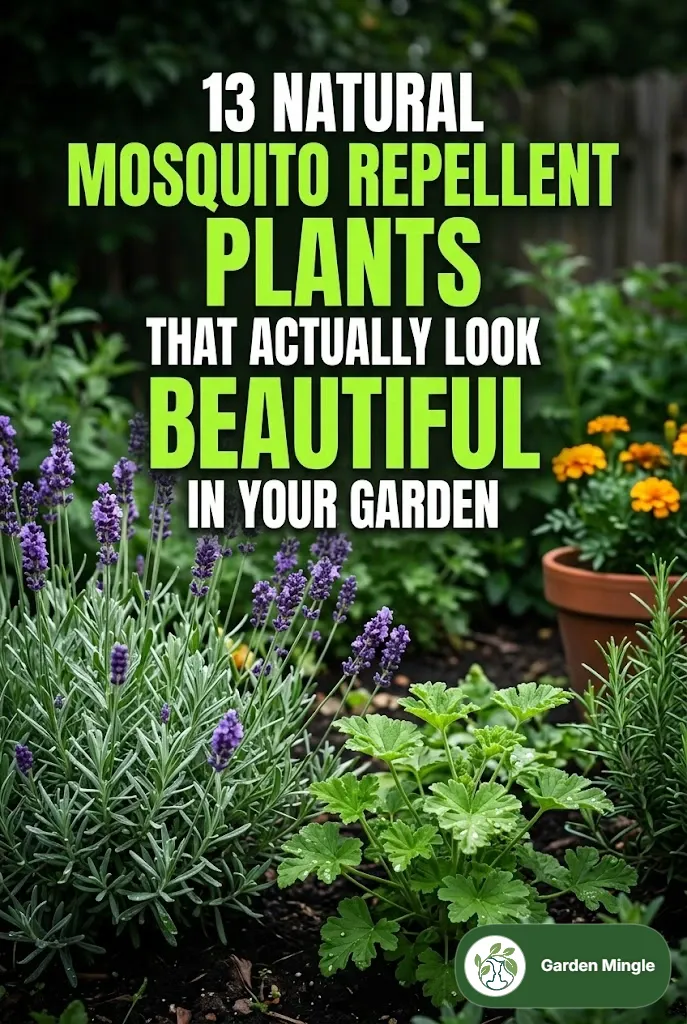
Share the post "13 Natural Mosquito Repellent Plants That Actually Look Beautiful in Your Garden"
Are pesky mosquitoes ruining your outdoor enjoyment? Imagine a garden that not only blooms with beauty but also acts as a natural barrier against these irritating pests. The solution lies in selecting the right plants! Many beautiful plants double as natural mosquito repellents, allowing you to create an enchanting space while keeping these bugs at bay. Here’s a curated list of 13 stunning plants that will enhance your garden aesthetics and help you enjoy your time outdoors with fewer mosquito bites.
Quick Answer
To keep mosquitoes away while beautifying your garden, consider planting lavender, marigolds, citronella grass, and basil. These natural repellents not only deter mosquitoes but also add charm and fragrance to your outdoor space.
1. Lavender
Lavender is well-known for its calming aroma and beautiful purple blooms. This fragrant plant not only attracts pollinators but also repels mosquitoes. Plant lavender in sunny areas for the best growth, and enjoy its lovely scent while lounging in your garden.
Care Tips:
- Sunlight: Full sun (at least 6 hours a day)
- Water: Allow soil to dry between waterings
- Soil: Well-draining, sandy soil is ideal
2. Marigolds
Marigolds are vibrant annuals that add a pop of color to any garden. Their strong scent is known to repel mosquitoes and other garden pests. Plant marigolds near vegetables to protect crops while beautifying your garden.
Care Tips:
- Sunlight: Prefer full sun
- Water: Keep soil consistently moist but not soggy
- Soil: Fertile, well-drained soil
3. Citronella Grass
Citronella grass is famous for its mosquito-repelling properties, and it also makes an attractive addition to your garden with its tall, lush green foliage. Use it as a border plant or in a container for a tropical feel.
Care Tips:
- Sunlight: Thrives in full sun
- Water: Regular watering, especially in dry periods
- Soil: Prefers well-drained soil
4. Basil
Basil is not just a kitchen staple; it’s also effective against mosquitoes. The aromatic leaves add flavor to your dishes and provide a beautiful, lush green appearance in your garden. Consider planting different varieties for an added visual appeal.
Care Tips:
- Sunlight: Needs at least 6 hours of sun
- Water: Water regularly but avoid overwatering
- Soil: Well-drained, nutrient-rich soil
5. Rosemary
This hardy herb not only enhances your culinary creations but also has mosquito-repelling properties. Rosemary’s needle-like leaves and enticing fragrance make it a beautiful and practical addition to your garden.
Care Tips:
- Sunlight: Full sun is best
- Water: Allow soil to dry out between watering
- Soil: Prefers sandy, well-drained soil
6. Lemon Balm
Lemon balm, with its refreshing citrus scent, is a lovely addition to any garden. The leaves can be used in teas and potpourri, and their fragrance helps keep mosquitoes away. It’s a fast-growing plant, so consider planting it in pots to keep it contained.
Care Tips:
- Sunlight: Prefers partial to full sun
- Water: Keep soil moist
- Soil: Fertile, well-drained soil
7. Catnip
Catnip is not just for your feline friends; it also repels mosquitoes effectively. Its lush green foliage and delicate flowers add charm to any garden. Plus, it’s easy to grow, making it perfect for novice gardeners.
Care Tips:
- Sunlight: Full sun to partial shade
- Water: Average watering needs
- Soil: Prefers well-drained soil
8. Geraniums
Certain types of geraniums, particularly the citronella geranium, have a lemony scent that helps deter mosquitoes. These colorful flowers can brighten up your garden and are easy to care for, making them a popular choice.
Care Tips:
- Sunlight: Full sun is ideal
- Water: Water when the top inch of soil feels dry
- Soil: Well-drained potting mix
9. Pennyroyal
Pennyroyal is a member of the mint family and possesses mosquito-repelling properties. Its small, purple flowers and aromatic leaves are visually appealing. However, be cautious as it can be invasive; consider containing it in pots.
Care Tips:
- Sunlight: Prefers full sun to partial shade
- Water: Regular watering is essential
- Soil: Moist, well-drained soil
10. Scented Geraniums
These geraniums offer a delightful fragrance and are available in various scents, including rose and lemon. Their attractive foliage and blooms make them a beautiful addition that also works to repel mosquitoes.
Care Tips:
- Sunlight: Thrives in full sun
- Water: Keep soil evenly moist
- Soil: Well-draining potting soil
11. Allium
Alliums are striking plants known for their spherical blooms. Their strong scent helps deter mosquitoes and other pests. With various heights and colors available, they can add an architectural element to your garden.
Care Tips:
- Sunlight: Full sun to partial shade
- Water: Water regularly but avoid soggy soil
- Soil: Well-drained soil is preferred
12. Thyme
Thyme is another culinary herb that offers mosquito-repelling benefits. Its tiny, delicate flowers and low-growing habit make it perfect for ground cover. Plus, it attracts beneficial insects to your garden.
Care Tips:
- Sunlight: Full sun
- Water: Low watering needs
- Soil: Well-drained soil
13. Eucalyptus
Eucalyptus trees and shrubs release a strong aroma that mosquitoes dislike. While they can grow large, smaller varieties are perfect for gardens. Their unique leaves and structure add a touch of elegance to your garden.
Care Tips:
- Sunlight: Prefers full sun
- Water: Moderate watering needs
- Soil: Well-drained, sandy soil
Expert Tips
For the best results in using these mosquito-repelling plants, consider the following insider tips:
- Group plants together to create a natural barrier.
- Crush leaves occasionally to release more oils and enhance their effectiveness.
- Plant near seating areas to maximize their repellent properties.
Common Questions
<h3
Leave a Reply