
- Propagating Succulent Leaves in Water: The Definitive Guide - August 16, 2026
- Succulent Pot Size Guide: 8 Things You Need To Know - August 16, 2026
- How to Prune a Succulent? (Complete Guide) - August 16, 2026
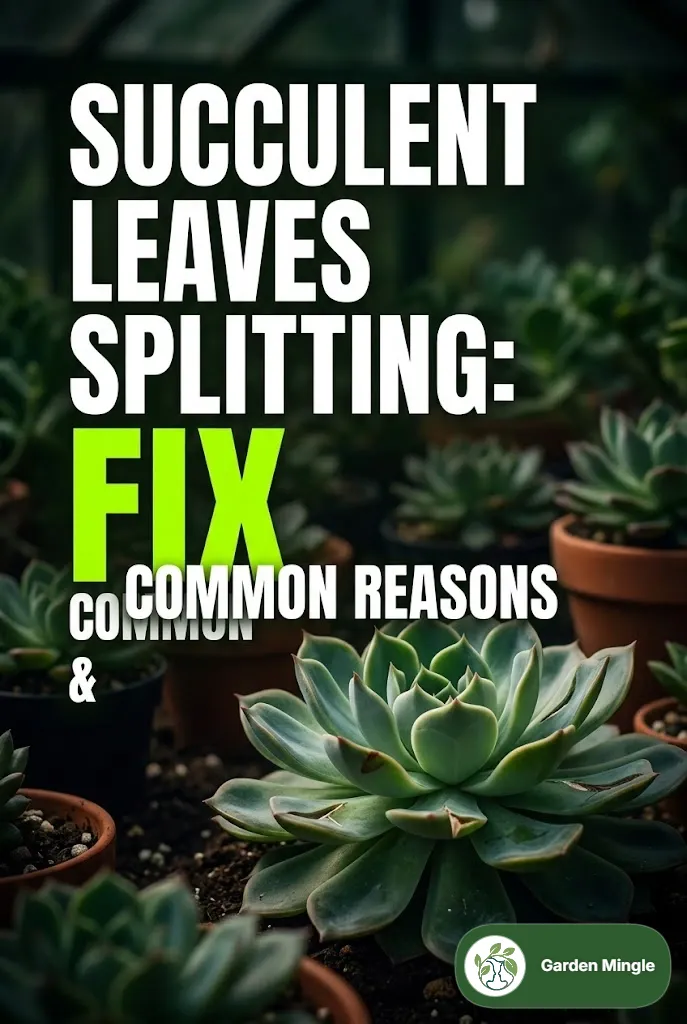
Have you noticed your beloved succulent’s leaves splitting or cracking? This common issue can be alarming, especially for succulent enthusiasts who pride themselves on maintaining healthy plants. Understanding the reasons behind this phenomenon is crucial for rescuing your succulent and preventing further damage. Let’s dive into the common causes and remedies for succulent leaves splitting, so you can get back to enjoying your vibrant plants.
Quick Answer
Succulent leaves split due to factors like overwatering, underwatering, rapid growth, temperature fluctuations, or pests. To fix this, assess your watering routine, provide adequate light, and ensure proper humidity levels.
Understanding the Basics of Succulents
Succulents are unique plants that store water in their leaves, stems, or roots, allowing them to thrive in arid conditions. However, even these hardy plants have their limits. When environmental factors or care routines go awry, succulents can show distress in the form of splitting leaves.
Common Reasons for Splitting Leaves
- Overwatering: Succulents prefer well-draining soil and can suffer from root rot if overwatered. When roots become waterlogged, they can no longer absorb moisture effectively, leading to stress and splitting.
- Underwatering: Conversely, underwatering can also cause leaves to split. When succulents do not receive enough water, they may become dehydrated and develop cracks as the plant struggles to retain moisture.
- Rapid Growth: If your succulent is receiving optimal light and nutrients, it may grow too quickly. This rapid growth can lead to stress, causing leaves to split under the pressure.
- Temperature Fluctuations: Sudden changes in temperature can shock your succulent. Extreme cold or heat can lead to physical damage, including splits in the leaves.
- Pests: Infestations from pests like mealybugs or aphids can weaken the plant. As the plant fights off these invaders, stress manifests in the form of splitting leaves.
Signs of Stress in Succulents
Recognizing stress signals in your succulent can help you act quickly. Look for the following signs:
- Leaves becoming discolored (yellow or brown)
- Wrinkling or shriveling of leaves
- Visible pests or webbing
- Soft or mushy leaves due to rot
How to Fix Splitting Leaves
Addressing the issue of splitting leaves involves a combination of care adjustments and monitoring. Here are actionable steps to help your succulent recover:
1. Adjust Watering Practices
Finding the right balance in watering is crucial:
- For Overwatered Succulents: Allow the soil to dry out completely before watering again. If root rot is suspected, remove the plant from the pot, inspect the roots, trim any rotten parts, and repot in fresh, dry soil.
- For Underwatered Succulents: Gradually reintroduce water. Soak the soil until it is moist but not soggy, and ensure you’re watering deeply and infrequently.
2. Provide Adequate Light
Light is essential for the health of your succulent:
- Ensure your succulent receives bright, indirect sunlight for several hours each day. If natural light is limited, consider using grow lights.
- Monitor for signs of sunburn, such as browning tips or bleached leaves, which indicate too much direct sunlight.
3. Maintain Temperature Stability
Protect your succulent from extreme temperatures:
- Avoid placing your succulent near drafty windows or heating vents that can cause rapid temperature changes.
- Try to keep the temperature consistent, ideally between 60°F to 80°F (15°C to 27°C).
4. Inspect for Pests
Regularly check your succulent for signs of pests:
- Look for tiny insects or webbing on the leaves and stems.
- If pests are found, treat the plant with insecticidal soap or neem oil and isolate it from other plants to prevent spreading.
5. Repotting and Soil Considerations
Sometimes, changing the soil can make all the difference:
- Use a well-draining cactus mix or amend regular potting soil with perlite or sand to increase drainage.
- Repot your succulent every couple of years to refresh the soil and ensure healthy root growth.
Pinterest-Style Ideas for Succulent Care
Visual inspiration can be a great motivator for caring for your succulents. Here are some creative ideas:
- Succulent Terrariums: Create stunning mini gardens in glass containers, showcasing your favorite varieties together.
- Colorful Plant Stands: Elevate your succulents on colorful plant stands to add visual interest to your space.
- Crafty Watering Solutions: Use decorative watering cans or self-watering globes to make hydration a fun part of your routine.
- Succulent Wall Art: Design a vertical garden with small succulents in a frame for a unique art piece.
Expert Tips for Healthy Succulents
Here are some insider tips to keep your succulents thriving:
- Rotate your succulents regularly for even light exposure, preventing uneven growth.
- Consider using a moisture meter to accurately gauge soil moisture levels before watering.
- Feed your succulents with a diluted cactus fertilizer during the growing season (spring and summer) for extra nutrients.
Common Questions (FAQ)
Why are my succulent leaves turning soft and mushy?
This is often a sign of overwatering or root rot. Check the soil and adjust your watering schedule accordingly.
How can I tell if my succulent is getting enough light?
Healthy succulents will have vibrant colors and firm leaves. If they appear leggy or stretched, they may need more light.
Can I propagate succulents with split leaves?
Yes, if the leaves are still healthy, you can propagate them. Allow the split ends to callous over before placing them in soil.
Conclusion
Understanding why succulent leaves split is the first step to ensuring their health and longevity. By adjusting your care routine and paying attention to their needs, you can help your succulents thrive. Remember, every plant is a journey, and with a little patience and love, your succulents will reward you with their beauty for years to come. Happy gardening!
Leave a Reply