
- Propagating Succulent Leaves in Water: The Definitive Guide - August 16, 2026
- Succulent Pot Size Guide: 8 Things You Need To Know - August 16, 2026
- How to Prune a Succulent? (Complete Guide) - August 16, 2026
Succulents are beloved for their resilience and unique beauty, but they can be tricky to care for, especially when it comes to watering. Many plant parents struggle with identifying whether their succulent is overwatered or underwatered. This confusion can lead to significant issues, including root rot or dehydration, which can ultimately harm your precious plants. Understanding the signs of overwatering and underwatering is crucial for keeping your succulents thriving. Let’s dive into the details to help you become a succulent care expert!
Quick Answer
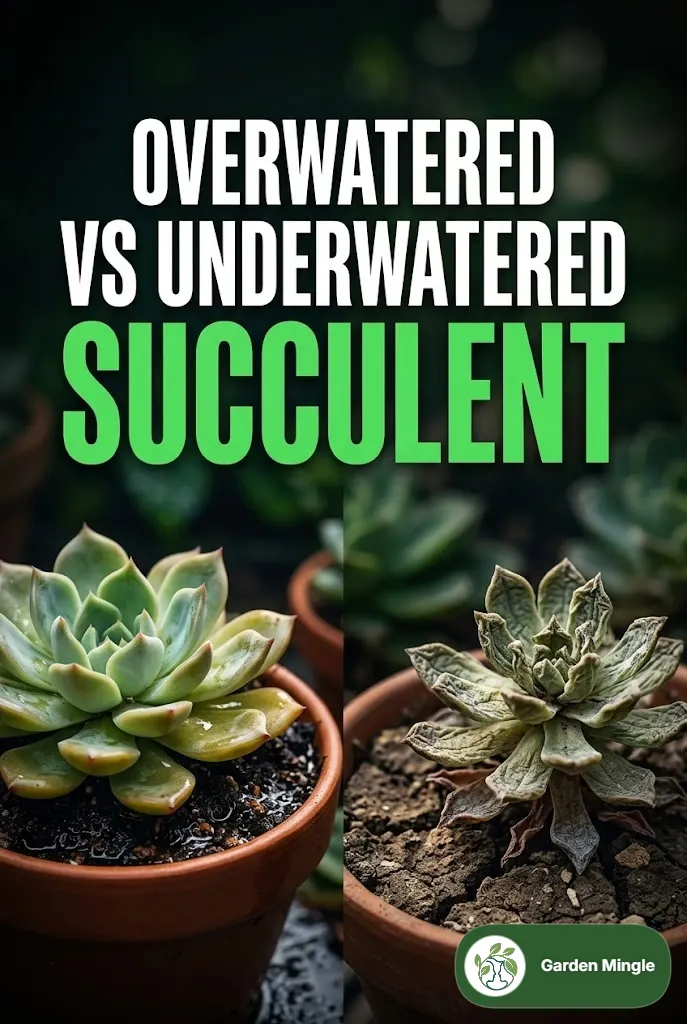
Overwatered succulents often display yellowing leaves, mushy stems, and a foul smell, while underwatered ones may have shriveled, wrinkled leaves and a dry appearance. Identifying these signs early can save your plants from serious damage.
Understanding Succulent Water Needs
Succulents store water in their leaves, stems, and roots, allowing them to thrive in arid environments. This unique trait means they require less frequent watering than other houseplants. However, the specific needs can vary based on the type of succulent, the environment, and the season.
Watering Frequency
- During the growing season (spring and summer), most succulents need watering every 1-2 weeks.
- In the dormant season (fall and winter), reduce watering to once every 2-4 weeks.
Factors Influencing Water Needs
- Light Levels: More sunlight means more water is needed.
- Temperature: Warmer temperatures can increase evaporation rates.
- Soil Type: Well-draining soil can affect how quickly moisture is retained.
Signs of Overwatering
Overwatering is one of the most common issues succulent owners face. It can lead to root rot, which can be fatal for your plants. Here are some signs to look out for:
Yellowing Leaves
If the leaves of your succulent are turning yellow, this is often a sign of excess moisture. The leaves may appear soft and squishy, indicating that they are starting to rot.
Mushy Stems
Check the stems for a mushy texture. Healthy stems should be firm. If they feel soft or translucent, it’s a sign that water is trapped, leading to decay.
Foul Smell
A rotten smell coming from the soil or plant is a clear indicator of root rot caused by overwatering. If you notice this, it’s time to take action.
Soil Condition
Soil that remains wet for too long can suffocate roots. Check if the soil is consistently soggy. If it is, your succulent is likely overwatered.
Signs of Underwatering
While overwatering is a common mistake, underwatering can be just as harmful. Here’s how to tell if your succulent isn’t getting enough water:
Wrinkled Leaves
Leaves that appear shriveled or wrinkled are often a sign that your succulent is thirsty. They may feel dry to the touch and lack the plumpness typical of healthy succulents.
Leaf Drop
If lower leaves are falling off your succulent, it may be a signal that it’s not receiving enough water. This is a natural response to conserve moisture.
Soil Condition
Dry, crumbly soil that pulls away from the edges of the pot can indicate underwatering. If it’s hard and compacted, your succulent needs a good drink.
How to Fix Overwatered Succulents
If you discover that your succulent is overwatered, don’t panic! There are steps you can take to save it:
- Remove the Plant: Carefully take the succulent out of its pot to inspect the roots.
- Assess the Roots: Trim away any black or mushy roots, as they are likely dead.
- Let It Dry: Allow the plant to dry for a few hours or a day to help it recover.
- Repot in Dry Soil: Choose a well-draining succulent mix and repot your plant.
- Adjust Watering Schedule: Ensure you only water when the soil is completely dry.
How to Fix Underwatered Succulents
Bringing an underwatered succulent back to health is usually simpler. Here’s what to do:
- Water Gently: Give the plant a thorough watering, allowing excess water to drain out.
- Check Soil Moisture: After a few days, check the soil to ensure it’s moist but not soggy.
- Increase Humidity: If possible, place a humidity tray near your succulent to help with moisture retention.
- Monitor Regularly: Keep an eye on the leaves and soil moisture to prevent future issues.
Expert Tips for Succulent Care
Here are some insider tips to keep your succulents healthy:
- Use the Right Soil: Always choose a cactus or succulent mix that drains well.
- Watering Method: Water deeply but infrequently; this encourages deep root growth.
- Observe Your Plants: Each species may have slightly different needs; learn their specific preferences.
- Seasonal Adjustments: Adjust your watering schedule based on seasonal changes and growth cycles.
Common Questions
How can I tell if my succulent needs water?
Check the soil moisture and look for signs like wrinkled leaves. If the leaves are firm and the soil is slightly damp, your succulent may not need watering yet.
Can I rescue a succulent that has root rot?
Yes, if caught early, you can trim away the affected roots and repot the succulent in fresh, dry soil.
How often should I water my succulent?
Watering frequency can vary, but generally, aim to water every 1-2 weeks in the growing season and less frequently during dormancy.
What type of pot is best for succulents?
A pot with drainage holes is essential as it prevents excess water from accumulating and helps maintain a healthy root environment.
Conclusion
Understanding the signs of overwatered and underwatered succulents is key to maintaining their health and beauty. By monitoring your plants and adjusting your care routine accordingly, you can create a thriving succulent collection. Remember, it’s all about balance—finding the sweet spot in your watering habits will keep your succulents looking their best. Happy gardening!
Leave a Reply