
- Propagating Succulent Leaves in Water: The Definitive Guide - August 16, 2026
- Succulent Pot Size Guide: 8 Things You Need To Know - August 16, 2026
- How to Prune a Succulent? (Complete Guide) - August 16, 2026
Have you ever admired the beautiful, plump leaves of succulents and wondered why they’re called succulents? These charming plants have become a staple in homes and gardens, captivating us with their unique shapes and vibrant colors. But beyond their aesthetic appeal lies an intriguing story about their name and the characteristics that define them. Let’s dive into the world of succulents and uncover the meaning behind their name, the science of their water-storing abilities, and how you can care for these resilient plants.
What Are Succulents?
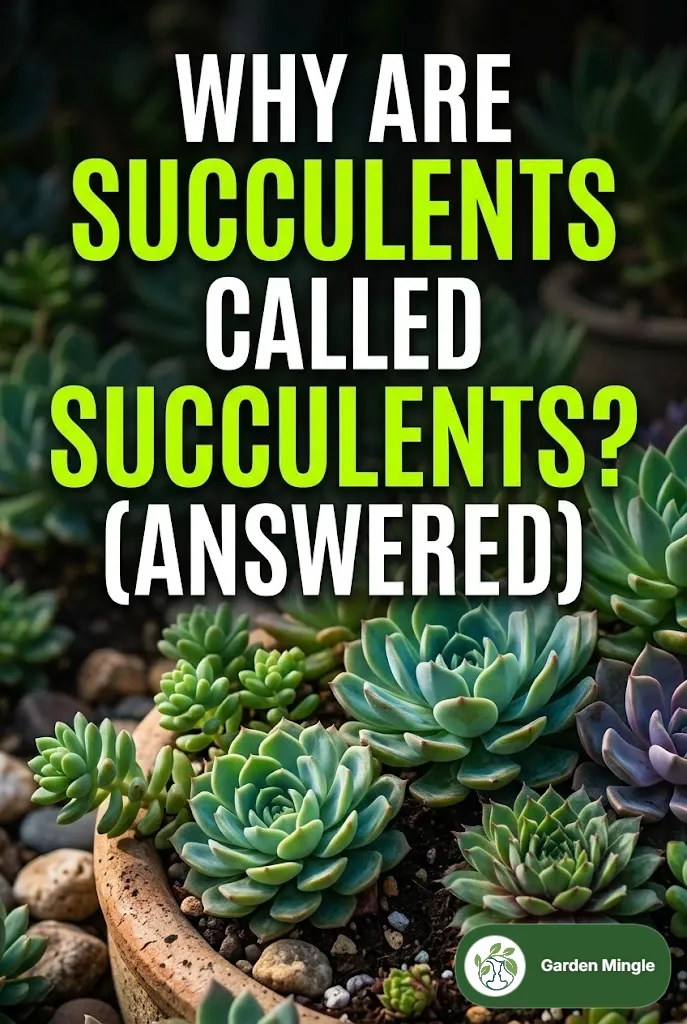
Succulents are a diverse group of plants known for their thick, fleshy parts that store water. This adaptation allows them to thrive in arid environments, making them popular among gardeners and plant lovers alike. The term “succulent” comes from the Latin word “sucus,” meaning juice or sap, which perfectly describes the juicy nature of these plants.
Defining Characteristics of Succulents
- Water Storage: Succulents have evolved to store water in their leaves, stems, or roots, allowing them to survive long periods of drought.
- Thick, Fleshy Leaves: The most recognizable feature of succulents is their thick leaves, which help to minimize water loss.
- Variety of Shapes and Sizes: Succulents come in various shapes, sizes, and colors, making them incredibly versatile for decoration.
Why Are They Called Succulents?
The name “succulent” accurately reflects the plants’ ability to retain moisture. The fleshy tissues of these plants are not just for show; they serve a crucial function in their survival. This adaptation is essential in their native habitats, often characterized by dry, desert-like conditions. By understanding the etymology and biology of succulents, we can appreciate why they are aptly named.
The Science Behind Succulence
Succulents have developed specialized structures to store water. These structures include:
- Modified Leaves: Many succulents have leaves that have evolved to become thick and fleshy, enabling them to hold large amounts of water.
- Water-Storing Tissues: Succulents possess parenchyma cells that can expand and contract, allowing the plant to store and utilize water effectively.
- Reduced Surface Area: The shape of succulent leaves often minimizes surface area, reducing water loss through evaporation.
Common Types of Succulents
Succulents come in a wide variety of species, each with its unique characteristics and care requirements. Here are some popular types:
- Aloe Vera: Known for its medicinal properties, Aloe Vera has thick, fleshy leaves that can be used for soothing burns.
- Jade Plant (Crassula ovata): This plant is often associated with good luck and prosperity, featuring round, glossy leaves.
- Hens and Chicks (Sempervivum): These rosette-forming succulents are hardy and perfect for outdoor gardens.
- Agave: Known for its spiky leaves, Agave is a striking succulent that can thrive in sunny locations.
How to Care for Succulents
Caring for succulents is relatively simple, making them ideal for both novice and experienced gardeners. Here are some essential care tips:
Light Requirements
Succulents thrive in bright, indirect sunlight. Too much direct sunlight can scorch their leaves, while too little light can cause them to stretch and lose their compact shape. A south or east-facing window is typically ideal.
Watering Tips
Watering is crucial but often misunderstood. Here’s how to do it right:
- Water deeply but infrequently, allowing the soil to dry out completely between waterings.
- During winter, reduce watering as succulents enter dormancy.
- Always use well-draining soil to prevent root rot.
Soil and Fertilization
Use a cactus or succulent mix to ensure proper drainage. Fertilize sparingly during the growing season (spring and summer) with a diluted, balanced fertilizer.
Common Mistakes to Avoid
- Overwatering: This is the most common mistake. Ensure the pot has drainage holes.
- Underestimating Light Needs: Monitor light exposure to prevent stretching.
- Ignoring Pest Problems: Keep an eye out for pests like mealybugs and aphids.
Expert Tips for Growing Succulents
Here are some insider tips to help your succulents thrive:
- Repotting: Repot succulents every couple of years to refresh the soil and provide more room for growth.
- Propagating: Take leaf cuttings or offsets to create new plants, ensuring they are allowed to callus before planting.
- Seasonal Adjustments: Be mindful of changing seasons; adjust watering and light exposure accordingly.
Common Questions About Succulents
1. Can succulents survive indoors?
Yes, succulents can thrive indoors with adequate light, proper watering, and well-draining soil.
2. How often should I water my succulents?
Water your succulents when the soil is completely dry, typically every 1-2 weeks, depending on the environment.
3. Do succulents need fertilizer?
Yes, but sparingly. Use a diluted, balanced fertilizer during the growing season.
4. Why are my succulent leaves turning yellow?
Yellow leaves often indicate overwatering or insufficient light. Check your watering schedule and light conditions.
5. How can I tell if my succulent is healthy?
Healthy succulents have firm, plump leaves and vibrant colors. Look for signs of growth and avoid soft or discolored leaves.
Conclusion
Succulents are more than just aesthetically pleasing plants; they are marvels of nature with fascinating adaptations that allow them to thrive in challenging environments. Their name reflects their unique ability to store water, making them resilient and easy to care for. Whether you’re a seasoned gardener or just starting, succulents offer endless possibilities for creativity and enjoyment in your home. So, why not bring a few into your life and enjoy the beauty and simplicity they bring?
Leave a Reply