
- Propagating Succulent Leaves in Water: The Definitive Guide - August 16, 2026
- Succulent Pot Size Guide: 8 Things You Need To Know - August 16, 2026
- How to Prune a Succulent? (Complete Guide) - August 16, 2026
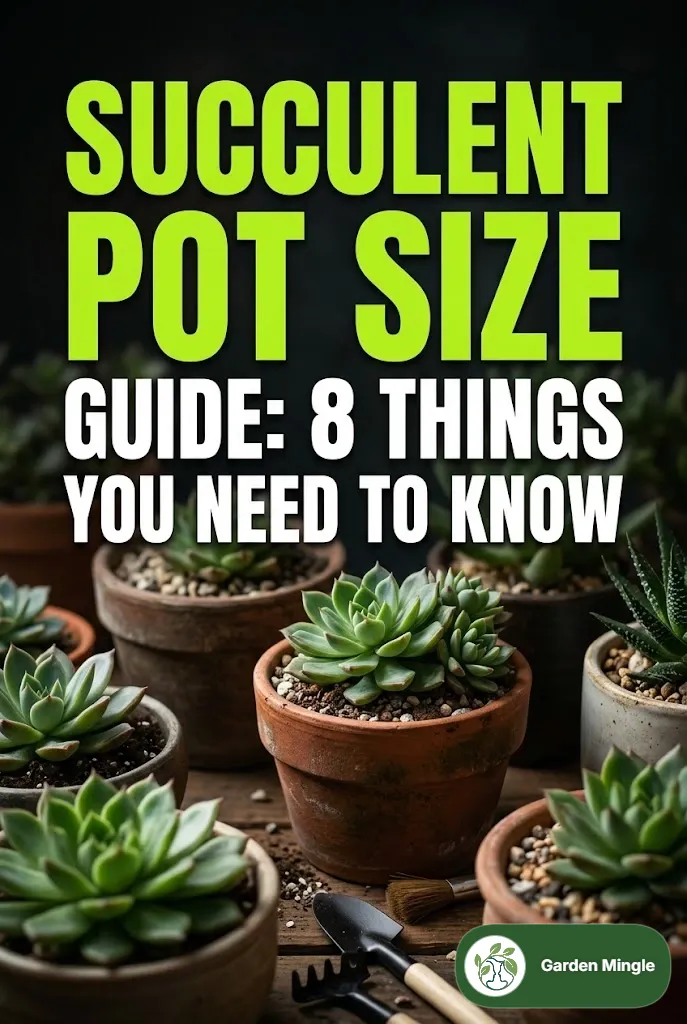
Choosing the right pot size for your succulents can make all the difference in their growth and overall health. With so many options available, it’s easy to feel overwhelmed. A pot that’s too small can stunt growth, while one that’s too large can lead to root rot. Understanding the nuances of succulent pot sizes will empower you to create a thriving environment for these resilient plants. Let’s dive into the essential factors you need to consider when selecting pots for your succulents.
Quick Answer
For healthy succulent growth, choose a pot that is 1-2 inches larger in diameter than the plant’s root ball. Ensure proper drainage and consider the growth rate of your succulent for optimal pot size.
1. Importance of Proper Pot Size
Using the correct pot size is crucial for succulents. Here are some reasons why:
- Root Development: Succulents need space to grow their roots. A pot that’s too small restricts root expansion.
- Water Retention: Larger pots hold more soil, which can retain moisture longer. This can be detrimental if not monitored.
- Healthier Plants: A properly sized pot encourages better airflow and drainage, reducing the risk of root rot.
2. General Guidelines for Pot Size
Choosing the Right Diameter
As a general rule, select a pot that is 1-2 inches wider than the succulent’s root ball. For instance, if your succulent has a root ball that is 3 inches wide, opt for a pot that is 4-5 inches in diameter.
Consider the Height
Height is also important. Succulents prefer pots that are not excessively deep. A pot that is too deep can hold too much moisture at the bottom, which is not favorable for succulents.
3. Types of Containers
Different materials can affect the moisture levels and temperature of the soil:
- Terracotta: This porous material allows moisture to evaporate, making it suitable for succulents.
- Plastic: While lightweight and affordable, plastic can retain moisture, so ensure it has good drainage.
- Ceramic: Often glazed, ceramic pots can retain moisture; choose unglazed options for better breathability.
4. Drainage is Key
Regardless of the pot size, ensure it has adequate drainage holes. Good drainage prevents water from pooling at the bottom, which can cause root rot. If you’re using a decorative pot without drainage, consider using a plastic pot inside it for the succulent.
5. Seasonal Considerations
The time of year can influence pot size choices:
- Spring and Summer: During the growing season, succulents may outgrow their pots quickly. Monitor growth and consider repotting to a larger size.
- Fall and Winter: During dormancy, succulents grow slower and may not need a larger pot. It’s best to wait until spring for repotting if you notice little growth.
6. Assessing Growth Rate
Different succulent species have varying growth rates. Fast-growing varieties like Jade plants or Burro’s tail may require more frequent repotting compared to slower growers like Haworthia or Echeveria.
- Fast-growing succulents: Consider a pot that allows for more growth, possibly sizing up every 1-2 years.
- Slow-growing succulents: These can often remain in the same pot for several years, depending on their health.
7. Common Mistakes to Avoid
Even seasoned gardeners can make mistakes when it comes to pot size. Here are some pitfalls to watch out for:
- Choosing a pot that’s too large: This can lead to excessive moisture retention and root rot.
- Ignoring drainage: Always check for drainage holes, regardless of the container type.
- Neglecting to consider future growth: Be mindful of how quickly your succulent might grow and plan ahead.
8. Expert Tips for Potting Succulents
Here are some insider tips to ensure your succulents thrive:
- Use a well-draining soil mix: Look for potting mixes specifically designed for succulents and cacti.
- Water wisely: Allow the soil to dry out completely before watering again to prevent overwatering.
- Fertilize sparingly: Use a diluted fertilizer during the growing season, especially if the plant is in a larger pot.
Common Questions (FAQ)
What happens if I plant my succulent in a pot that’s too big?
A pot that’s too large can lead to excess moisture retention, which increases the risk of root rot. Succulents prefer snug environments.
How often should I repot my succulents?
Repot every 1-2 years or when you notice signs of overcrowding, such as roots coming out of the drainage holes.
Can I use a decorative pot without drainage for my succulents?
While not ideal, you can use a decorative pot without drainage if you place a plastic pot inside it for the succulent, ensuring the plastic has drainage holes.
Conclusion
Finding the right pot size for your succulents might seem daunting, but with these insights, you can confidently create a thriving home for your plants. Remember to consider the growth rate, material, and drainage characteristics. By giving your succulents the right environment, you’ll not only enhance their beauty but also ensure their longevity. Happy gardening!
Leave a Reply