
- Propagating Succulent Leaves in Water: The Definitive Guide - August 16, 2026
- Succulent Pot Size Guide: 8 Things You Need To Know - August 16, 2026
- How to Prune a Succulent? (Complete Guide) - August 16, 2026
Share the post "Why is My Succulent Turning Pink? (The Answer & Quick Fix)"
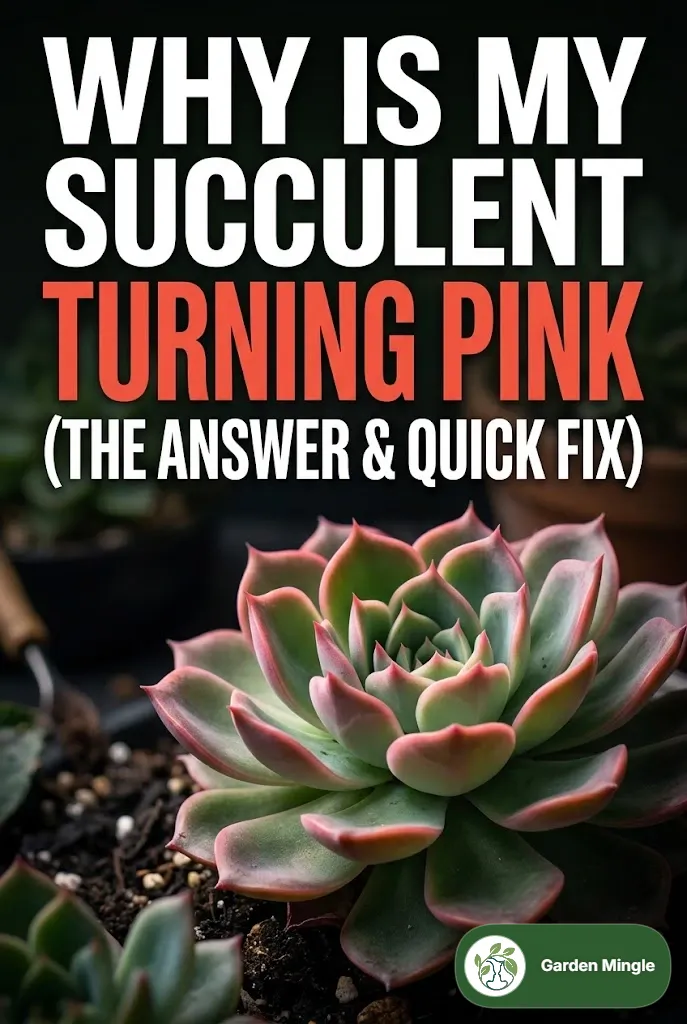
Have you noticed your once-vibrant green succulent slowly transforming into a rather alarming shade of pink? While it might seem concerning, this color change is often a natural response to environmental stressors. Understanding why your succulent is turning pink can help you address the issue promptly and restore its health. Let’s dive into the reasons behind this phenomenon and explore quick fixes to keep your succulent thriving!
Why is My Succulent Turning Pink?
Succulents are fascinating plants, known for their ability to store water in their leaves. However, changes in color can indicate underlying issues. Here are the primary reasons why your succulent might be turning pink:
1. Environmental Stress
One of the most common reasons for color change in succulents is environmental stress. This can come from various factors:
- Sunlight Exposure: Too much direct sunlight can cause your succulent to react by producing protective pigments, resulting in a pink or reddish hue.
- Temperature Fluctuations: Sudden changes in temperature, especially cold drafts, can stress your plant, causing it to change color.
- Watering Issues: Overwatering or underwatering can also lead to stress, affecting the plant’s overall health and appearance.
2. Nutrient Deficiencies
Just like any other plant, succulents need a balanced supply of nutrients to thrive. A lack of essential nutrients can lead to color changes:
- Nitrogen Deficiency: A lack of nitrogen can cause your succulent to lose its vibrant green color, resulting in a pinkish tint.
- Calcium Deficiency: This can lead to weakened cell structure and affect overall plant health, causing color changes.
3. Genetics
Some succulent varieties naturally exhibit pink hues as part of their genetic makeup. For instance, certain Echeveria and Sedum species can turn pink under normal conditions, especially when they receive adequate sunlight. If your succulent is one of these varieties, the color change might simply be part of its growth cycle.
Quick Fixes for Pink Succulents
Identifying the cause is crucial, but knowing how to fix the issue is equally important. Here are some actionable steps to help your succulent regain its vibrant color:
1. Adjust Sunlight Exposure
If you suspect that your succulent is getting too much direct sunlight:
- Relocate: Move your succulent to a spot with bright, indirect light. This will help reduce stress while still providing enough light for growth.
- Use Sheer Curtains: If you want to keep your succulent in its current location, consider using sheer curtains to diffuse harsh sunlight.
2. Monitor Temperature
Ensure that your succulent is not exposed to extreme temperatures:
- Avoid Drafts: Keep your plants away from doors and windows that open frequently, as drafts can shock the plant.
- Maintain Consistent Temperature: Ideally, keep your succulents in a temperature range of 60°F to 80°F (15°C to 27°C).
3. Water Properly
Watering is crucial for succulent health. Follow these tips:
- Check Soil Moisture: Before watering, check if the top inch of soil is dry. If it is, it’s time to water.
- Use Well-Draining Soil: Ensure your potting mix allows for proper drainage to prevent overwatering.
4. Fertilize Wisely
If nutrient deficiency is the issue, consider fertilizing your plant:
- Use a Succulent Fertilizer: Apply a balanced, diluted fertilizer specifically designed for succulents during the growing season.
- Follow Instructions: Be careful not to over-fertilize, as this can cause further stress.
5. Embrace the Color
If your succulent is naturally turning pink due to genetics, embrace the change! Ensure it remains healthy by providing proper care, and enjoy the unique beauty it brings to your garden or home.
Pinterest-Style Ideas for Succulent Care
Visual Inspiration for Succulent Enthusiasts
- Colorful Arrangements: Create a stunning display by combining pink-hued succulents with contrasting greens and other colors.
- Succulent Terrariums: Use glass containers to showcase pink succulents alongside decorative stones and figurines.
- Wall Art: Create a living wall by planting various succulents, including those with pink tones, for an eye-catching vertical garden.
Expert Tips for Healthy Succulents
To keep your succulents healthy and vibrant, consider these lesser-known tips:
- Rotate Your Plants: Rotate your succulent pots every few weeks to ensure even light exposure and prevent uneven growth.
- Use a Moisture Meter: Invest in a moisture meter to accurately gauge soil moisture levels, helping you avoid over or underwatering.
- Choose the Right Pot: Ensure your pot has drainage holes and is made of breathable material to facilitate proper air circulation.
Common Questions About Succulent Color Changes
Why do my succulents turn pink in winter?
In winter, succulents may turn pink due to reduced light exposure and cooler temperatures, causing them to produce protective pigments.
Can I prevent my succulent from turning pink?
While some color changes are natural, proper care, including adjusting light and temperature, can help minimize stress and maintain vibrant colors.
Is a pink succulent unhealthy?
A pink succulent is not necessarily unhealthy; it may just be responding to environmental stress or may be a natural trait of the species.
Conclusion
Your succulent turning pink can be a cause for concern, but with the right care and attention, you can address the underlying issues. By adjusting environmental factors, monitoring watering, and ensuring proper nutrition, your succulent can bounce back to its full health. Embrace the journey of succulent care, and don’t hesitate to experiment with different varieties and arrangements to create a stunning display in your home!
Leave a Reply