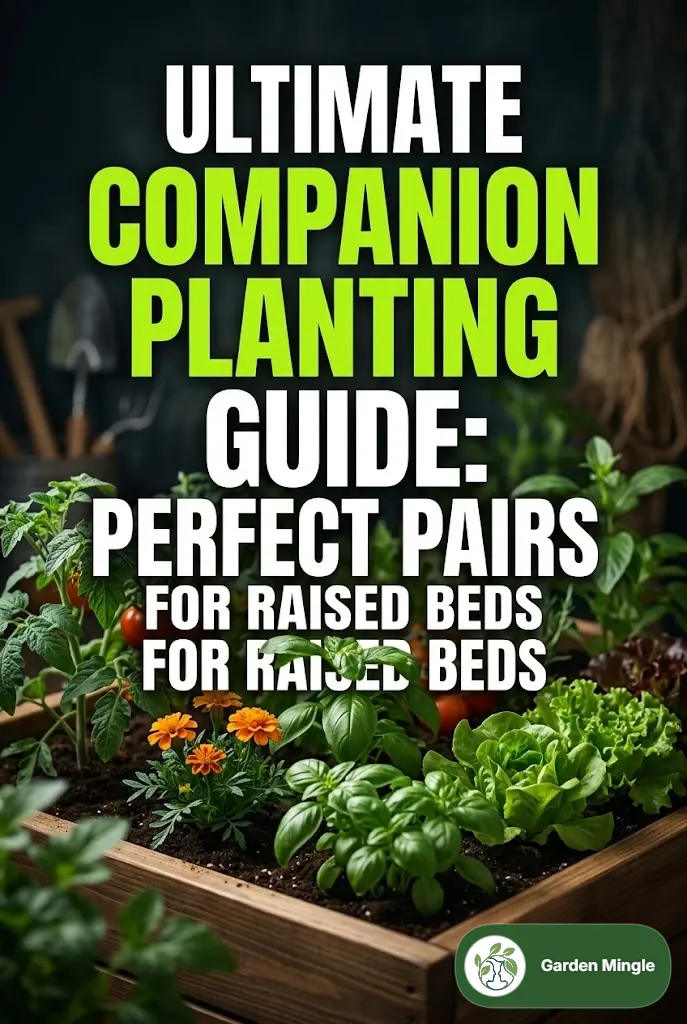

- Ultimate Companion Planting Guide: Perfect Pairs for Raised Beds - July 26, 2026
- How to Grow Spinach Plants: 7 Secrets Experts Won’t Tell You! - July 26, 2026
- How to Grow Kale Indoors: 5 Secrets Most Gardeners Won’t Share! - July 26, 2026
Share the post "Ultimate Companion Planting Guide: Perfect Pairs for Raised Beds"
Imagine walking through your garden, vibrant vegetables growing in harmony, their scents mixing in the fresh air. This idyllic scene is not just a dream; it can be your reality through the art of companion planting in raised beds. By selecting the right plant pairs, you can enhance growth, deter pests, and create a thriving ecosystem. Let’s dive into the ultimate companion planting guide, ensuring your raised beds flourish with perfect pairs!
Quick Answer
Companion planting involves pairing plants that benefit each other, such as repelling pests or enhancing growth. In raised beds, consider planting tomatoes with basil, carrots with onions, and beans with corn for optimal results.
Understanding Companion Planting
Companion planting is a gardening practice that dates back centuries. It’s based on the idea that certain plants can help each other grow, ward off pests, or improve flavor when planted near one another. Here’s why it matters:
- Pest Control: Certain plants can repel harmful insects, reducing the need for chemical pesticides.
- Soil Health: Some plants enhance the soil’s nutrient content or structure.
- Space Efficiency: Companion plants can maximize space, allowing for more diverse crops in raised beds.
Perfect Plant Pairs for Raised Beds
Choosing the right companions is crucial. Here are some of the best plant pairs to consider for your raised beds:
1. Tomatoes and Basil
This classic combo is a favorite among gardeners. Basil enhances the flavor of tomatoes and can help repel common pests like aphids and whiteflies.
- Planting Tip: Space them about 18 inches apart to allow for air circulation.
2. Carrots and Onions
These two make excellent companions, as onions can help deter carrot flies. Additionally, the flavors of both vegetables complement each other beautifully in the kitchen.
- Planting Tip: Sow seeds close together; they will not compete heavily for nutrients.
3. Beans and Corn
Beans are nitrogen-fixers, enriching the soil, while corn provides a natural trellis for climbing beans. Together, they create a sustainable and productive environment.
- Planting Tip: Plant corn first and allow it to grow a bit before adding beans.
4. Spinach and Strawberries
Spinach grows quickly and can provide shade for strawberries, helping to keep the soil cool. In return, strawberries can deter pests that may bother spinach.
- Planting Tip: Plant strawberries at the corners of your raised bed and intersperse spinach.
5. Cabbage and Dill
Dill attracts beneficial insects that prey on pests that typically target cabbage, such as caterpillars. This pairing encourages a healthy ecosystem.
- Planting Tip: Allow enough space for cabbage to grow; they can get quite large!
Common Mistakes to Avoid
Even seasoned gardeners can make mistakes when it comes to companion planting. Here are a few pitfalls to avoid:
- Overcrowding: Planting too many companions in a small space can lead to competition for nutrients and sunlight.
- Ignoring Growth Habits: Always consider the mature size of each plant to prevent shading or nutrient depletion.
- Neglecting Soil Needs: Different plants may have varying soil preferences; ensure that the pairs you choose are compatible.
Expert Tips for Successful Companion Planting
To make the most of your companion planting efforts in raised beds, keep these expert tips in mind:
- Map Your Garden: Create a layout before planting to ensure optimal spacing and compatibility.
- Rotate Crops: Change your companion plantings each year to prevent soil depletion and pest buildup.
- Monitor Growth: Regularly check your plants for signs of stress or pests; early intervention is key.
Pinterest-Style Ideas for Companion Planting
Here are some creative companion planting ideas to inspire your raised bed garden:
- Herbs in the Mix: Plant herbs like parsley and cilantro alongside vegetables for added flavor and attraction of pollinators.
- Flower Power: Incorporate marigolds to deter nematodes and attract beneficial insects.
- Vertical Growth: Use vertical gardening techniques with climbing plants like peas alongside sturdy crops like tomatoes.
Common Questions About Companion Planting
What are the best companion plants for cucumbers?
Cucumbers thrive with beans, corn, and radishes, which can help deter pests and improve growth.
Can I plant herbs with vegetables?
Yes! Many herbs, such as basil, parsley, and oregano, are great companions for various vegetables and can enhance flavors.
How do I know if my plants are compatible?
Research plant compatibility based on their growth patterns, nutrient needs, and pest resistance. Companion planting charts can be helpful.
Conclusion
Companion planting in raised beds is a powerful technique that can transform your garden into a flourishing ecosystem. By choosing the right plant pairs and avoiding common mistakes, you can enhance growth, deter pests, and enjoy a bountiful harvest. So roll up your sleeves and get planting—your garden will thank you!
Leave a Reply