
- Propagating Succulent Leaves in Water: The Definitive Guide - August 16, 2026
- Succulent Pot Size Guide: 8 Things You Need To Know - August 16, 2026
- How to Prune a Succulent? (Complete Guide) - August 16, 2026
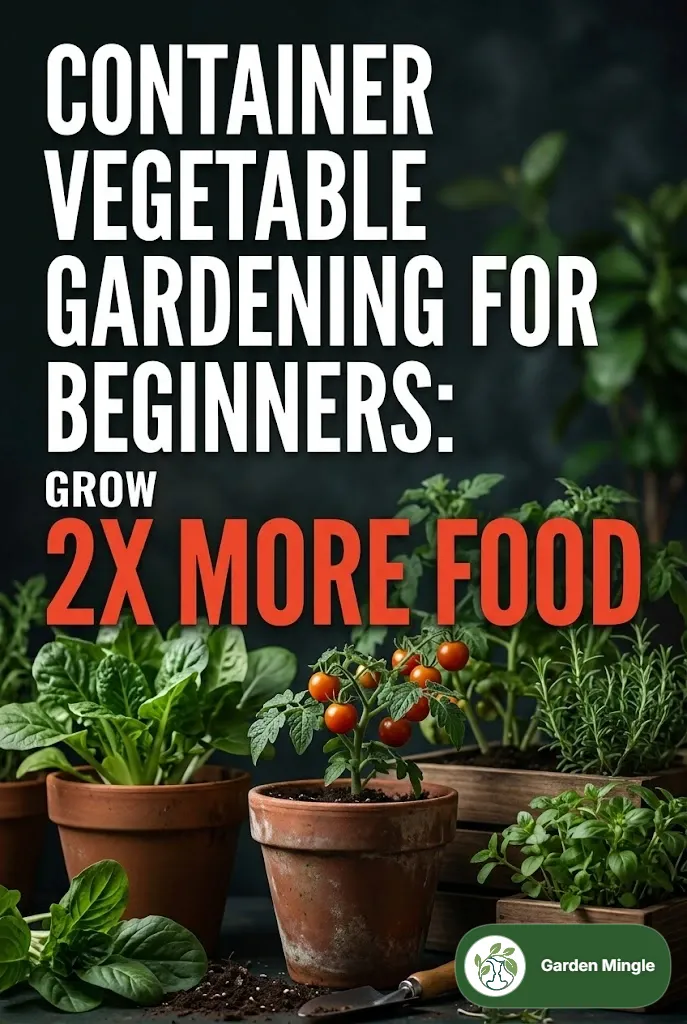
Share the post "Container Vegetable Gardening for Beginners: Grow 2X More Food"
Imagine stepping out onto your balcony or patio, and being greeted by vibrant greens and colorful vegetables, all thriving in pots and containers. Container vegetable gardening is not just a trend; it’s a practical solution for those with limited space or poor soil quality. Whether you’re a city dweller or simply want to maximize your gardening potential, container gardening can help you grow twice as much food in a fraction of the space. Let’s dig into how you can get started and reap the benefits of this rewarding gardening method.
Quick Answer
Container vegetable gardening allows beginners to grow a diverse range of vegetables in limited spaces, utilizing pots filled with quality soil. By choosing the right containers and plants, you can effectively double your harvests compared to traditional gardening methods.
Getting Started with Container Vegetable Gardening
Before you dive into container gardening, it’s essential to understand the basics. Here’s a step-by-step guide to help you launch your journey.
Choosing the Right Containers
- Size Matters: Start with containers that are at least 5 gallons for larger vegetables like tomatoes or peppers. Smaller crops, such as herbs or lettuce, can thrive in smaller pots.
- Material: Opt for materials like wood, plastic, or ceramic. Ensure they have drainage holes to prevent waterlogging.
- Mobility: Consider using pots with wheels or lightweight materials if you plan on moving them around for sunlight.
Selecting the Right Soil
Using high-quality potting soil is crucial. Regular garden soil can compact in containers, reducing drainage and airflow. Look for a mix specifically designed for container gardening, which often includes ingredients like peat moss, perlite, and vermiculite.
Plant Selection
Choosing the right plants is vital for maximizing your yield. Here are some excellent options:
- Leafy Greens: Spinach, lettuce, and kale grow well in containers and can be harvested multiple times.
- Fruiting Vegetables: Tomatoes and peppers are popular choices. Choose compact varieties for container gardening.
- Herbs: Basil, parsley, and cilantro thrive in pots and can enhance your culinary creations.
Maximizing Your Space
To grow twice as much food, it’s essential to utilize your vertical and horizontal space effectively.
Vertical Gardening Techniques
- Stacked Planters: Use tiered planters to grow multiple layers of plants.
- Wall Gardens: Install wall-mounted planters or use trellises to grow climbing plants like cucumbers.
- Hanging Baskets: Perfect for herbs and smaller vegetables, hanging baskets can add greenery at different heights.
Companion Planting
Companion planting can enhance growth and deter pests. Pairing crops like tomatoes with basil not only saves space but also improves flavor.
Watering and Fertilizing
Proper watering and fertilizing techniques are crucial for a bountiful harvest.
Watering Tips
- Consistent Moisture: Check soil moisture regularly. Containers can dry out quickly, especially in warm weather.
- Deep Watering: Water thoroughly until it drains from the bottom of the container.
- Mulching: Adding a layer of mulch can help retain moisture and keep roots cool.
Fertilizing Best Practices
Container plants need regular feeding since nutrients can leach out with watering. Use a balanced, water-soluble fertilizer every few weeks during the growing season.
Pest and Disease Management
Keeping your plants healthy is key to a successful garden. Here are some tips to manage pests and diseases.
Preventative Measures
- Healthy Plants: Strong, healthy plants are less susceptible to pests and diseases.
- Regular Inspection: Check your plants frequently for signs of pests or disease.
- Natural Remedies: Use organic pest control methods, such as neem oil or insecticidal soap, to manage infestations.
Harvesting Your Bounty
Knowing when and how to harvest can significantly influence your overall yield.
Harvesting Techniques
- Regular Picks: For leafy greens, regularly trim the outer leaves to encourage new growth.
- Timing Matters: Harvest vegetables in the early morning for the best flavor and freshness.
- Use Proper Tools: Always use clean, sharp scissors or knives to make cuts clean and prevent damage.
Expert Tips for Successful Container Gardening
Here are some insider tips to enhance your container gardening experience:
- Rotate Crops: Change the types of vegetables you grow in each container annually to prevent soil depletion and disease.
- Use Companion Herbs: Plant herbs alongside vegetables to deter pests and add flavor to your meals.
- Consider Seasonal Changes: Adjust your watering and fertilizing routines as the weather changes.
Common Questions
1. Can I grow vegetables in any container?
Not all containers are suitable. Ensure they are large enough with proper drainage holes.
2. How often should I water my container plants?
Watering frequency depends on the weather, but check the soil daily, especially in hot conditions.
3. What vegetables grow best in containers?
Tomatoes, peppers, lettuce, and herbs are excellent choices for container gardening.
Conclusion
Container vegetable gardening offers a fantastic way to increase your food production, even in limited spaces. By following these tips and tricks, you’ll not only enjoy the beauty of your plants but also savor the taste of homegrown produce. So grab your pots, soil, and seeds, and start your gardening adventure today!
Leave a Reply