
- Vegetable Garden Self Watering System DIY: Never Water Again! - July 21, 2026
- How to Grow Garlic from a Clove in a Pot: Secret Tips Revealed! - July 21, 2026
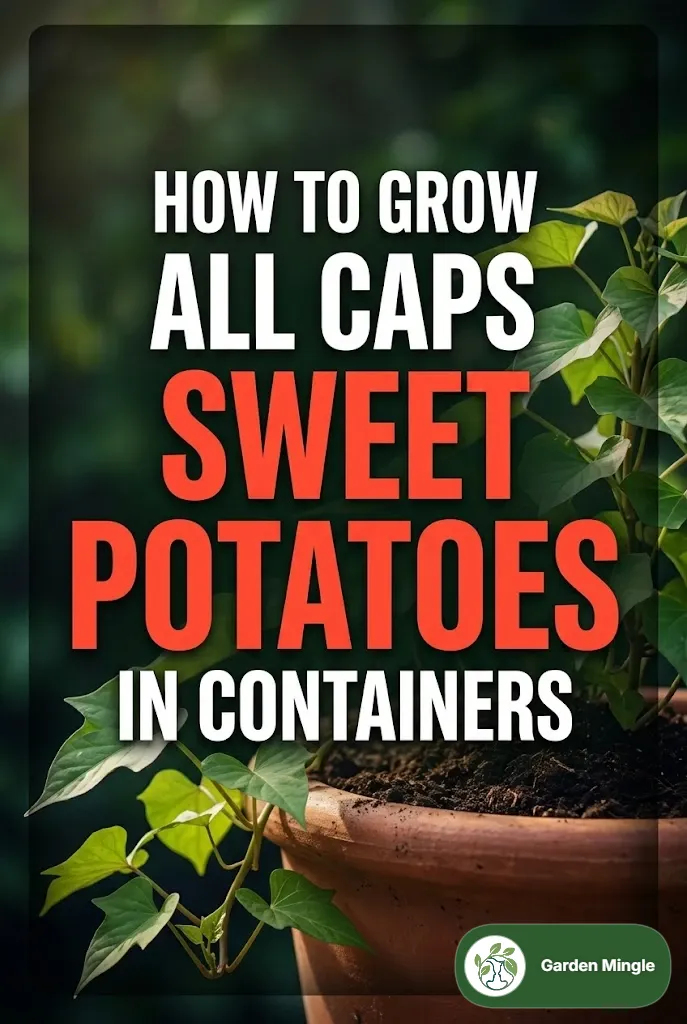
- How to Grow Sweet Potatoes in Containers - July 21, 2026
Growing sweet potatoes in containers is a rewarding and practical way to enjoy this delicious vegetable, even if you have limited garden space. Whether you live in an apartment or simply want to add some greenery to your patio, container gardening offers a flexible solution. With the right techniques and a little patience, you can produce a bountiful harvest of sweet potatoes in just a few months. Let’s delve into the steps needed to successfully grow sweet potatoes in containers.
Quick Answer
To grow sweet potatoes in containers, choose a large pot (at least 5 gallons), use well-draining soil, and plant slips or seed potatoes. Ensure they receive full sun, water regularly, and fertilize every few weeks for optimal growth.
Choosing the Right Container
The first step in growing sweet potatoes is selecting the right container. Here are some tips:
- Size Matters: Opt for a container that holds at least 5 gallons of soil. Larger containers allow for better root development.
- Material: Choose from materials like plastic, wood, or terra cotta. Ensure it has drainage holes to prevent waterlogging.
- Mobility: Consider using containers with wheels or lightweight materials if you plan to move them for sunlight or protection from frost.
Preparing the Soil
Sweet potatoes thrive in well-draining, fertile soil. Here’s how to prepare your planting medium:
- Soil Mix: Create a mix of one part compost, one part potting soil, and one part sand or perlite. This combination provides nutrients while promoting drainage.
- pH Level: Sweet potatoes prefer a slightly acidic to neutral pH (around 5.8 to 6.2). You can test your soil and amend it with lime or sulfur if needed.
Planting Sweet Potatoes
Once your container is ready, it’s time to plant. Follow these steps:
Choosing Sweet Potato Slips
Sweet potato slips are young plants that will grow into the full-sized tubers. You can either purchase slips or grow your own from a sweet potato:
- Purchase Slips: Look for healthy, disease-free slips from a local nursery or garden center.
- Grow Your Own: Place a sweet potato in water, half-submerged. After a few weeks, sprouts will emerge. Once they reach about 6 inches, gently twist them off and let them root in water for a few days before planting.
Planting Instructions
- Fill your container with the prepared soil mix, leaving a couple of inches from the top.
- Plant 2-3 slips per container, burying them deep enough to cover the roots and a few inches of the stem.
- Space each slip about 12 inches apart to allow for growth.
Care and Maintenance
Proper care is crucial for a successful harvest. Here are some essential tips:
Watering
Sweet potatoes need consistent moisture but dislike soggy soil. Water the plants thoroughly when the top inch of soil feels dry. During hot weather, you may need to water more frequently.
Fertilizing
To encourage healthy growth, fertilize your sweet potatoes every 4-6 weeks:
- Organic Options: Use a balanced organic fertilizer or compost tea.
- Avoid Nitrogen Excess: Too much nitrogen can lead to lush foliage with fewer tubers, so choose a fertilizer higher in phosphorus and potassium.
Sunlight Requirements
Sweet potatoes thrive in full sunlight, requiring at least 6-8 hours of direct sun each day. Position your containers in a sunny spot and rotate them occasionally for even growth.
Pest and Disease Management
Being proactive about pests and diseases can save your crop:
- Common Pests: Watch for aphids, sweet potato weevils, and beetles. Use neem oil or insecticidal soap as needed.
- Disease Prevention: Ensure good air circulation and avoid overcrowding. Remove any diseased foliage promptly to prevent spread.
Harvesting Your Sweet Potatoes
Knowing when to harvest is critical for the best flavor and texture:
- Timing: Sweet potatoes are typically ready 90-120 days after planting. Look for yellowing leaves and wilting vines as indicators.
- Harvest Carefully: Use a garden fork to gently lift the tubers from the soil. Be cautious not to puncture them.
Pinterest-Style Ideas for Sweet Potato Containers
Want to get creative with your container garden? Check out these fun ideas:
- Decorative Pots: Use brightly colored or patterned pots to add a touch of flair to your patio.
- Vertical Planters: Stack containers vertically for a space-saving option that also looks stunning.
- Mixed Planting: Combine sweet potatoes with herbs like basil or mint for a fragrant and functional garden.
Expert Tips for Growing Sweet Potatoes
Here are some insider insights to enhance your sweet potato-growing experience:
- Temperature Sensitivity: Sweet potatoes prefer warm temperatures; transplant them outdoors only after the danger of frost has passed.
- Mulching: Apply a layer of mulch to retain moisture and suppress weeds.
- Companion Planting: Consider planting sweet potatoes alongside beans to improve soil nitrogen levels naturally.
Common Questions About Growing Sweet Potatoes in Containers
Can I grow sweet potatoes in a small container?
While it’s possible, larger containers (at least 5 gallons) are recommended for optimal growth and yield.
How often should I water my sweet potatoes?
Water them when the top inch of soil is dry, typically every few days in warm weather.
What type of fertilizer is best for sweet potatoes?
A balanced organic fertilizer with more phosphorus and potassium will promote healthy tuber growth.
Conclusion
Growing sweet potatoes in containers can be a delightful and fruitful endeavor. With careful planning, proper care, and a bit of creativity, you can enjoy a homegrown harvest right from your patio. So gather your supplies, get planting, and soon you’ll be savoring the sweet rewards of your efforts!
Leave a Reply