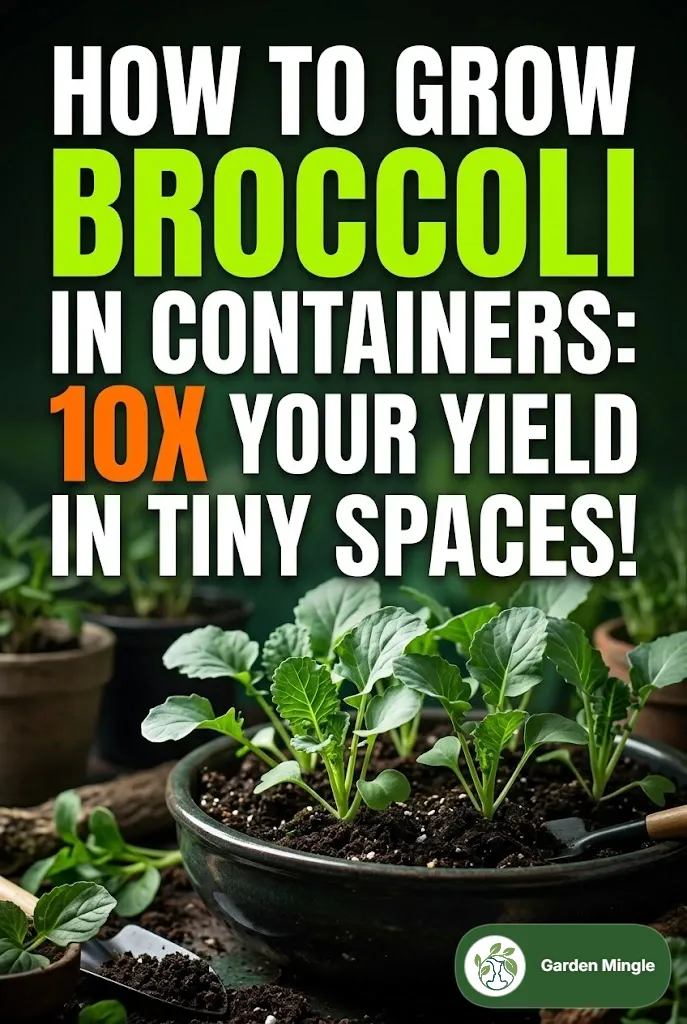

- How to Grow Broccoli in Containers: 10X Your Yield in Tiny Spaces! - July 20, 2026
- How to Grow Zucchini in a Container: 10X Your Harvest Today! - July 20, 2026
- How to Grow Potatoes from Potatoes Indoors: Pro Tips Revealed! - July 20, 2026
Share the post "How to Grow Broccoli in Containers: 10X Your Yield in Tiny Spaces!"
If you’re short on garden space but still want to enjoy the fresh taste of homegrown vegetables, growing broccoli in containers is a fantastic solution. This nutrient-packed superfood can thrive in pots, allowing you to cultivate a bountiful harvest even on a small balcony or patio. Imagine stepping outside to pick vibrant green florets for your favorite recipes. Let’s explore how to maximize your yield while growing broccoli in containers!
Quick Answer
To grow broccoli in containers effectively, choose large pots (at least 5 gallons), use quality soil, and ensure proper sunlight and watering. Regular fertilization and pest management are key to achieving a bountiful harvest.
Choosing the Right Container
The first step in your broccoli-growing journey is selecting the right container. Here are some tips:
- Size Matters: Opt for pots that are at least 5 gallons. Broccoli has deep roots and needs space to grow.
- Material: Choose containers made from breathable materials like fabric or clay. These help with drainage and prevent root rot.
- Drainage Holes: Ensure your containers have adequate drainage holes to avoid waterlogging.
Soil Preparation
The quality of your soil can significantly impact your broccoli yield. Follow these steps to prepare the perfect soil mix:
- Use Quality Potting Mix: A well-draining potting mix designed for vegetables is ideal. Avoid garden soil, as it can compact in containers.
- Add Organic Matter: Incorporate compost or well-rotted manure to enrich the soil with nutrients.
- pH Level: Broccoli prefers a slightly acidic to neutral pH (6.0 to 7.0). Consider testing your soil and amending it if necessary.
Choosing the Right Variety
Not all broccoli varieties are created equal, especially when growing in containers. Here are some popular types suited for small spaces:
- Baby Broccoli: Smaller and quicker to mature, this variety is perfect for containers.
- Broccoli Raab: This fast-growing option has a slightly different flavor and is great for quick harvests.
- Calabrese: A classic choice, it produces large heads and is widely adaptable.
Planting Your Broccoli
Once you’ve selected your containers and prepared your soil, it’s time to plant. Follow these steps for successful planting:
- Timing: Plant broccoli in early spring or late summer for a fall harvest. It thrives in cool weather.
- Spacing: Space your seeds or seedlings about 12-18 inches apart in the container. If you’re growing multiple plants, stagger them to maximize light exposure.
- Watering: Water the soil thoroughly after planting and keep it consistently moist but not soggy.
Sunlight Requirements
Broccoli loves sunlight! Make sure your containers are placed in a location that receives:
- Full Sun: Aim for at least 6-8 hours of sunlight per day for optimal growth.
- Protection from Heat: If you live in a particularly hot area, consider providing some afternoon shade during peak summer.
Watering and Fertilization
Proper watering and fertilization are key to maximizing your broccoli yield:
- Watering: Keep the soil consistently moist. Water deeply when the top inch feels dry.
- Fertilization: Feed your broccoli with a balanced, slow-release fertilizer every 4-6 weeks. Liquid fertilizers can also be used for a quick nutrient boost.
Pest Management
Growers often face pest challenges, but with a few strategies, you can minimize damage:
- Regular Inspection: Check your plants regularly for signs of pests like aphids or caterpillars.
- Natural Predators: Encourage beneficial insects like ladybugs to help control pest populations.
- Organic Pesticides: Use neem oil or insecticidal soap as a last resort if infestations occur.
Harvesting Broccoli
Knowing when to harvest is crucial for enjoying the best flavor and texture:
- Timing: Harvest when the heads are firm and tight but before the flowers begin to open.
- Cutting: Use a sharp knife to cut the head, leaving a few inches of stem for potential side shoots to develop.
- Post-Harvest Care: After harvesting, continue to care for your plant as side shoots may produce additional florets.
Expert Tips for Maximizing Yield
Here are some insider tips to help you achieve an even greater yield from your container-grown broccoli:
- Succession Planting: Stagger your planting every few weeks to ensure a continuous harvest throughout the growing season.
- Companion Planting: Grow herbs like basil or flowers like marigolds nearby to deter pests and promote healthy growth.
- Crop Rotation: Rotate your broccoli with other crops in different containers each season to prevent soil depletion.
Common Questions (FAQ)
1. Can I grow broccoli in smaller pots?
While it’s possible, smaller pots limit growth and yield. A minimum of 5 gallons is recommended for best results.
2. How often should I water my broccoli?
Water when the top inch of soil is dry. Consistent moisture is key, especially during hot weather.
3. What pests should I watch for?
Common pests include aphids, cabbage worms, and flea beetles. Regular inspections can help catch them early.
4. Can I grow broccoli indoors?
Yes, with sufficient light (using grow lights) and proper care, broccoli can be successfully grown indoors.
5. How long does it take to grow broccoli?
Broccoli typically takes 70-100 days from seed to harvest, depending on the variety and growing conditions.
Conclusion
Growing broccoli in containers is a rewarding endeavor that can yield delicious results, even in limited spaces. By following these guidelines, from choosing the right pots to proper care, you can enjoy fresh, homegrown broccoli right at your doorstep. Embrace the joy of gardening, and soon you’ll be savoring the fruits of your labor!
Leave a Reply