
- How to Grow Broccoli in Containers: 10X Your Yield in Tiny Spaces! - July 20, 2026
- How to Grow Zucchini in a Container: 10X Your Harvest Today! - July 20, 2026
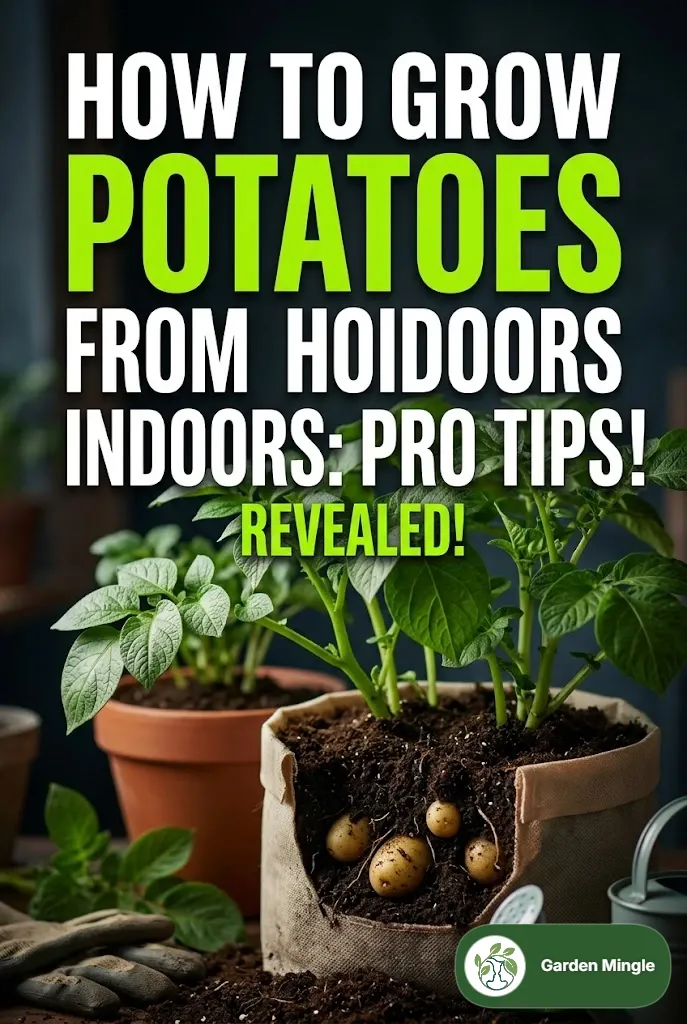
- How to Grow Potatoes from Potatoes Indoors: Pro Tips Revealed! - July 20, 2026
Share the post "How to Grow Potatoes from Potatoes Indoors: Pro Tips Revealed!"
Growing potatoes indoors can be a rewarding and satisfying experience, especially when you don’t have the luxury of outdoor gardening space. Whether you’re looking to cultivate fresh ingredients for your meals or simply enjoy the process of growing your own food, potatoes are a fantastic choice. They are relatively easy to grow and can thrive in containers, making them perfect for indoor gardening. Let’s dive into how to successfully grow potatoes from potatoes indoors, along with some pro tips for maximizing your yield and ensuring a fruitful harvest.
Quick Answer
To grow potatoes from potatoes indoors, select seed potatoes, prepare a suitable container, and provide adequate light and moisture. With the right care, you can enjoy a bountiful harvest in just a few months!
Choosing the Right Seed Potatoes
When growing potatoes indoors, starting with the right seed potatoes is crucial. Here are some tips to help you choose:
- Seed Potatoes: Opt for certified seed potatoes from a garden center or online. These are disease-free and specifically bred for growing.
- Size Matters: Choose medium-sized potatoes, about 2-3 inches in diameter. If they are larger, cut them into pieces with at least one eye per piece.
- Varieties: Select varieties suited for your taste and cooking style. Popular types include Yukon Gold, Red Bliss, and fingerling potatoes.
Preparing Your Potatoes
Once you’ve selected your seed potatoes, it’s time to prepare them for planting. Here’s how to do it:
Chitting Your Potatoes
- What is Chitting? This process encourages sprouting before planting, leading to a faster and more abundant harvest.
- The Process: Place your seed potatoes in a cool, light area for a couple of weeks to allow shoots to form. The ideal temperature is around 60-70°F (15-21°C).
Cutting and Curing (if applicable)
- If you’ve chosen larger potatoes, cut them into pieces and let them cure for 24-48 hours. This allows the cut surfaces to heal, reducing the risk of rot.
Choosing the Right Containers
Potatoes can grow in a variety of containers, but here are some considerations to keep in mind:
- Container Size: Choose a container that is at least 12 inches deep and wide. This allows enough room for the roots to expand.
- Drainage: Ensure your container has drainage holes to prevent waterlogging, which can lead to rot.
- Material: Use pots made of breathable materials like fabric, plastic, or wood. Each has its advantages, but make sure they are sturdy enough to support the weight as the plants grow.
Soil and Planting
The right soil mix is key to successful potato growth. Here’s how to prepare and plant your potatoes:
Soil Preparation
- Soil Type: Use a light, well-draining potting mix. You can create your own mix by combining equal parts of compost, peat moss, and perlite.
- Fertilization: Mix in a balanced, slow-release fertilizer to provide essential nutrients as the potatoes grow.
Planting
- Fill your container with soil, leaving about 4-6 inches of space at the top.
- Place the seed potatoes with the eyes facing up, spacing them about 6 inches apart.
- Cover the potatoes with another layer of soil, ensuring they are buried about 4 inches deep.
Providing the Right Conditions
To ensure your potatoes flourish, consider the following environmental needs:
Light Requirements
- Natural Light: Potatoes require at least 6-8 hours of direct sunlight each day. If natural light is limited, consider using grow lights.
- Light Positioning: Position your container near a south-facing window or invest in a full-spectrum LED grow light to mimic sunlight.
Watering
- Keep the soil consistently moist but not soggy. Water when the top inch of soil feels dry.
- As plants grow, add more soil around the base (a process known as hilling) to encourage more tuber development.
Pest and Disease Management
Indoor gardening can still attract pests and diseases. Here are some proactive steps you can take:
- Regular Inspections: Check your plants regularly for signs of pests like aphids or spider mites.
- Natural Remedies: Use neem oil or insecticidal soap to manage pests without harsh chemicals.
- Good Airflow: Ensure proper spacing between plants to promote airflow and reduce the risk of fungal diseases.
Harvesting Your Potatoes
After a few months, it’s time to reap the rewards of your hard work!
- Timing: For young, new potatoes, harvest 2-3 weeks after flowering. For mature potatoes, wait until the foliage dies back.
- Harvesting Technique: Carefully dig up the potatoes using a garden fork to avoid bruising them.
- Storage: Store harvested potatoes in a cool, dark place to prolong their shelf life.
Expert Tips for a Successful Indoor Potato Garden
- Rotate Crops: Avoid planting potatoes in the same container season after season to reduce disease risk.
- Experiment with Varieties: Try growing different potato varieties to discover your favorites and enjoy diverse flavors.
- Companion Planting: Consider planting herbs like basil or marigolds nearby to deter pests naturally.
Common Questions
1. Can I grow potatoes from store-bought potatoes?
Yes, but it’s best to use certified seed potatoes to avoid diseases. Store-bought potatoes may sometimes be treated to prevent sprouting.
2. How long does it take to grow potatoes indoors?
Typically, it takes about 70-120 days from planting to harvest, depending on the variety and growing conditions.
3. What should I do if my potato plants turn yellow?
Yellowing can indicate overwatering or nutrient deficiency. Check the soil moisture and consider adding fertilizer.
4. Can I grow potatoes in a small space?
Absolutely! Potatoes thrive in containers, making them perfect for small spaces like apartments or balconies.
5. How many potatoes can I expect from one seed potato?
On average, each seed potato can produce 5-10 new potatoes, depending on the variety and growing conditions.
Conclusion
Growing potatoes indoors is not only feasible but can also be a delightful experience that brings fresh produce right to your kitchen. With the right techniques and care, you can enjoy the satisfaction of harvesting your own potatoes. So, gather your supplies, choose your favorite varieties, and start your indoor potato garden today!
Leave a Reply