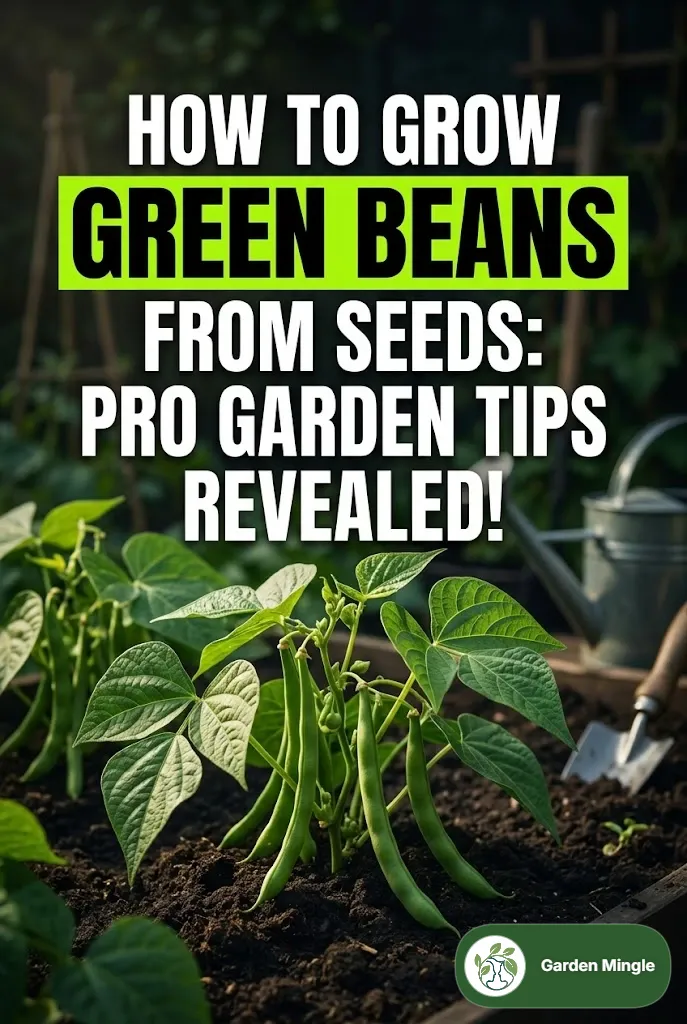

- How to Grow Green Beans from Seeds: Pro Garden Tips Revealed! - July 16, 2026
- Best Pest Control for Vegetable Garden: Natural Defense Guide - July 16, 2026
- Need Garden Help? 5 Easy DIY Hacks for a Lush Backyard Landscape - July 16, 2026
Share the post "How to Grow Green Beans from Seeds: Pro Garden Tips Revealed!"
Growing green beans from seeds is a rewarding experience that not only fills your garden with vibrant greenery but also provides a delicious harvest. Whether you’re an experienced gardener or a novice, these legumes are perfect for cultivating your skills. With a little guidance, you can enjoy a bountiful yield of fresh green beans that add flavor and nutrition to your meals. Here’s everything you need to know to get started on this exciting journey!
Quick Answer
To grow green beans from seeds, choose a sunny location with well-drained soil, plant seeds 1-2 inches deep, and water regularly. Ensure they receive full sun and support if you’re growing pole varieties. With proper care, you can enjoy fresh beans in about 50-70 days.
Choosing the Right Variety
Before you get your hands dirty, it’s important to select the right type of green beans for your garden. Green beans typically fall into two categories: bush beans and pole beans.
Bush Beans
- Growth Habit: Compact and self-supporting, making them ideal for small gardens.
- Maturity: Generally mature faster, usually in about 50-60 days.
- Space: Require less space and don’t need trellising.
Pole Beans
- Growth Habit: Climbing plants that require support, such as trellises or poles.
- Maturity: Take a bit longer to mature, typically 60-70 days.
- Space: Ideal for vertical gardening, saving ground space.
Consider your garden layout and personal preferences when choosing between these varieties.
Preparing Your Garden
Setting the stage for your green beans starts with soil preparation and site selection.
Soil Requirements
Green beans thrive in well-draining soil rich in organic matter. Here’s how to prepare:
- pH Level: Aim for a soil pH of 6.0 to 7.0.
- Testing: Test your soil using a home kit to determine nutrient levels.
- Amendments: Add compost or well-rotted manure to improve soil fertility.
Sunlight and Location
Select a spot that receives at least 6-8 hours of direct sunlight daily. This ensures healthy growth and a bountiful harvest.
Planting Green Beans
Now that your garden is ready, it’s time to plant those seeds!
When to Plant
Green beans are sensitive to frost, so wait until all danger of frost has passed. Ideal soil temperatures for planting range from 70°F to 90°F. This usually means planting in late spring or early summer.
How to Plant
- Spacing: Space seeds 1-2 inches apart in rows 18-30 inches apart for bush beans. For pole beans, plant 2-3 seeds at the base of each support structure.
- Depth: Plant seeds 1-2 inches deep, ensuring they’re covered with soil.
- Water: Water gently after planting to help settle the soil around the seeds.
Watering and Care
Once planted, proper care is essential for your green beans to thrive.
Watering Tips
Green beans need consistent moisture, especially during flowering and pod development. Here’s how to water them effectively:
- Frequency: Water deeply once a week, adjusting based on rainfall.
- Mulching: Apply a layer of mulch to retain moisture and suppress weeds.
- Avoiding Overhead Watering: Water at the base of the plants to prevent fungal diseases.
Fertilization
Beans are legumes, which means they fix nitrogen in the soil. However, they still benefit from light fertilization:
- Type: Use a balanced fertilizer or one lower in nitrogen.
- Application: Fertilize once when seedlings are a few inches tall and again when flowering begins.
Supporting Your Plants
If you’re planting pole beans, providing support is crucial for their growth.
Types of Supports
- Trellis: A vertical structure made of wood or metal.
- Fencing: An existing fence can serve as a great support.
- Stakes: Individual stakes can work for smaller numbers of plants.
Ensure your support is sturdy enough to hold the weight of the growing beans.
Common Mistakes to Avoid
Even seasoned gardeners can make mistakes. Here are some common pitfalls to watch out for:
- Overwatering: Too much water can lead to root rot.
- Planting Too Early: Frost can damage young seedlings.
- Neglecting Weeds: Weeds compete for nutrients and water.
Harvesting Your Green Beans
Once your plants are thriving, it’s time to enjoy the fruits of your labor!
When to Harvest
Green beans are typically ready for harvest when they are firm and crisp, and the seeds inside are just beginning to swell. This usually occurs about 50-70 days after planting.
How to Harvest
- Technique: Use scissors or garden shears to cut the beans from the plant, avoiding damage to the stem.
- Frequency: Regular harvesting encourages more bean production.
Expert Tips for Success
Here are some insider tips to elevate your green bean growing game:
- Companion Planting: Plant basil or marigolds nearby to deter pests.
- Rotation: Rotate your bean crops every year to prevent soil-borne diseases.
- Succession Planting: Stagger your planting every few weeks for a continuous harvest throughout the season.
Common Questions
How long does it take for green beans to grow?
Green beans generally take about 50-70 days from planting to harvest, depending on the variety.
Can I grow green beans in containers?
Yes, green beans can be grown in containers as long as they have adequate space, support, and drainage.
What pests should I watch out for?
Common pests include aphids, spider mites, and bean beetles. Regularly inspect your plants and use organic pest control methods if needed.
Conclusion
Growing green beans from seeds is not just about the harvest; it’s a journey filled with learning and connection to nature. With the right tips and a little patience, you can cultivate a thriving crop that enhances your meals and your gardening experience. So grab those seeds, roll up your sleeves, and start planting—your future self will thank you!
Leave a Reply