
- How to Grow Eggplant from Seeds: Expert Tips That Actually Work! - July 25, 2026
- How to Grow Sweet Corn from Seeds: 800 Kernels Per Plant! - July 25, 2026
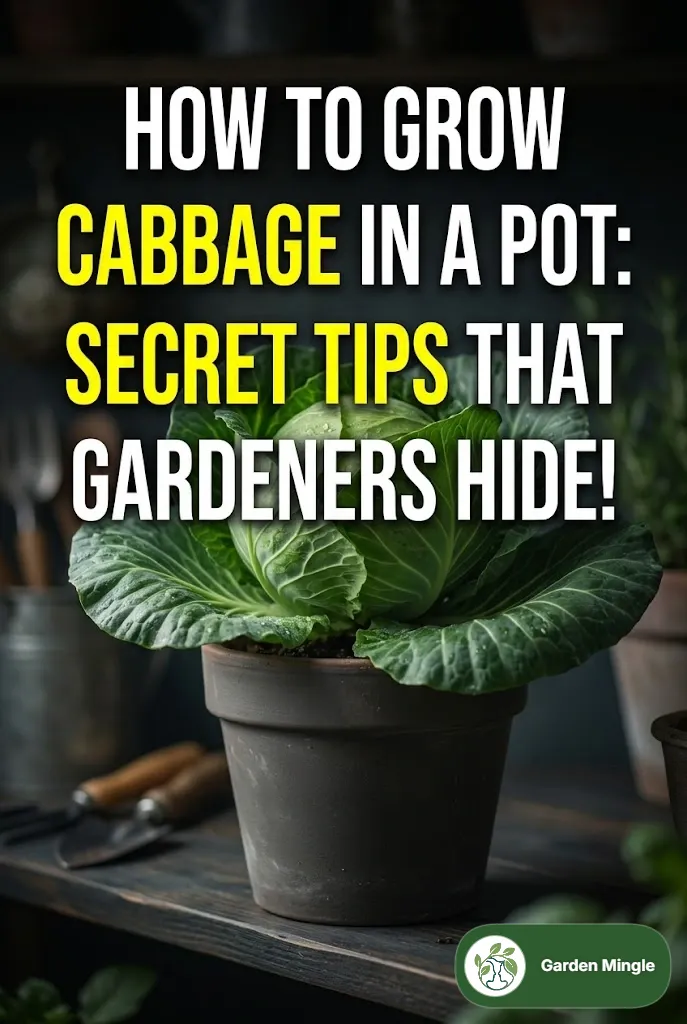
- How to Grow Cabbage in a Pot: Secret Tips That Gardeners Hide! - July 25, 2026
Share the post "How to Grow Cabbage in a Pot: Secret Tips That Gardeners Hide!"
Growing cabbage in a pot is an excellent way to enjoy this nutritious vegetable, especially if you’re short on garden space. If you’ve ever struggled with space or soil quality, growing cabbage in containers can be a game-changer. With the right tips and care, you can cultivate healthy, vibrant cabbages right on your balcony or patio. Let’s dig into the secrets that seasoned gardeners often keep to themselves!
Quick Answer
To successfully grow cabbage in a pot, choose a large container, use quality potting soil, ensure proper drainage, and provide adequate sunlight. Regular watering and fertilization will help your cabbage thrive. Aim for a pot that is at least 12-18 inches deep and wide.
Choosing the Right Pot
The first step in growing cabbage is selecting the right container. Here’s what to keep in mind:
- Size Matters: Opt for a pot that is at least 12-18 inches deep and wide. Cabbage has a robust root system that needs space to grow.
- Material: Terracotta, ceramic, and plastic pots are all good choices. Ensure your pot has drainage holes to prevent waterlogging.
- Mobility: Consider using pots with wheels or placing them on a movable tray for easy relocation based on sunlight availability.
Soil Selection and Preparation
The soil you choose plays a significant role in the success of your cabbage. Here are some essential tips:
- Quality Potting Mix: Use a high-quality potting mix designed for vegetables. Avoid garden soil, which can become compacted in containers.
- pH Level: Cabbage thrives in slightly acidic to neutral pH (6.0 to 7.0). Test your soil and amend it if necessary.
- Organic Matter: Mix in compost or well-rotted manure to improve fertility and drainage. This will provide the essential nutrients that your cabbage needs.
Planting Cabbage Seeds or Seedlings
You can either start from seeds or purchase seedlings. Here’s how to do both:
Starting from Seeds
- Timing: Start seeds indoors about 6-8 weeks before the last frost date or directly sow outdoors 2-4 weeks before the last frost.
- Spacing: Plant seeds about ¼ to ½ inches deep and space them 12-24 inches apart once they sprout.
- Thinning: Thin seedlings to prevent overcrowding, leaving the strongest ones in place.
Using Seedlings
- Purchase Healthy Seedlings: Look for strong, green seedlings without blemishes. Choose varieties suited for container growing.
- Transplanting: Gently remove seedlings from their containers and place them in your prepared pot. Water them well after planting.
Watering and Fertilization
Proper watering and fertilization are crucial for healthy cabbage growth:
- Watering: Cabbage needs consistent moisture. Water deeply when the top inch of soil feels dry, typically 1-2 times per week depending on the weather.
- Fertilizing: Use a balanced fertilizer every 4-6 weeks. Look for a formula high in nitrogen to promote leafy growth.
- Signs of Underwatering: If leaves droop or turn yellow, it may be a sign that your cabbage needs more water.
Sunlight Requirements
Cabbage thrives in full sunlight. Here’s what you should know:
- Optimal Sunlight: Aim for at least 6-8 hours of direct sunlight each day. If you notice your cabbage stretching towards the light, it may not be getting enough.
- Adjusting Location: If your pot is moveable, consider relocating it to maximize sun exposure throughout the day.
Pest and Disease Management
Keeping your cabbage healthy means being vigilant about pests and diseases:
- Common Pests: Cabbage worms, aphids, and slugs are frequent visitors. Inspect your plants regularly and remove any pests by hand.
- Natural Remedies: Use insecticidal soap or neem oil as an organic pest deterrent. Companion planting with herbs like rosemary can help repel pests.
- Signs of Disease: Watch for yellowing leaves or wilting. If you notice these symptoms, remove affected leaves and adjust your watering habits.
Harvesting Your Cabbage
Knowing when and how to harvest is key to enjoying your homegrown cabbage:
- Timing: Cabbage is typically ready to harvest 70-100 days after planting, depending on the variety. The heads should feel firm and dense.
- Harvesting Technique: Use a sharp knife to cut the cabbage head at the base, leaving some outer leaves intact to protect the plant.
- Post-Harvest Care: After harvesting, remove any debris from the pot and consider replanting for another crop.
Expert Tips for Success
Here are some insider tips to elevate your cabbage-growing game:
- Rotate Crops: If you plan to grow cabbage in the same pot again, rotate with a different plant to prevent soil-borne diseases.
- Mulching: Apply a layer of mulch to retain moisture and regulate soil temperature.
- Regular Monitoring: Check your plants daily for signs of distress or pests. Early detection can save your crop!
Common Questions (FAQ)
Can I grow cabbage in a small pot?
While it’s best to use larger pots, you can grow smaller varieties in pots as small as 10 inches, but be prepared for smaller heads.
Should I cover my cabbage plants?
Using row covers can protect young plants from pests and harsh weather. Just ensure they get enough sunlight.
What is the best time to plant cabbage?
Spring and fall are the best times to plant cabbage. They thrive in cooler temperatures, making them perfect for early spring and late summer planting.
Conclusion
Growing cabbage in a pot can be a rewarding experience, providing you with fresh produce and a sense of accomplishment. By following these tips and tricks, you’ll be on your way to harvesting your very own delicious cabbages. Remember, every gardener has their secrets; now you’re equipped with some of the best! Happy gardening!
Leave a Reply