
- How to Grow Green Beans from Seeds: Pro Garden Tips Revealed! - July 16, 2026
- Best Pest Control for Vegetable Garden: Natural Defense Guide - July 16, 2026
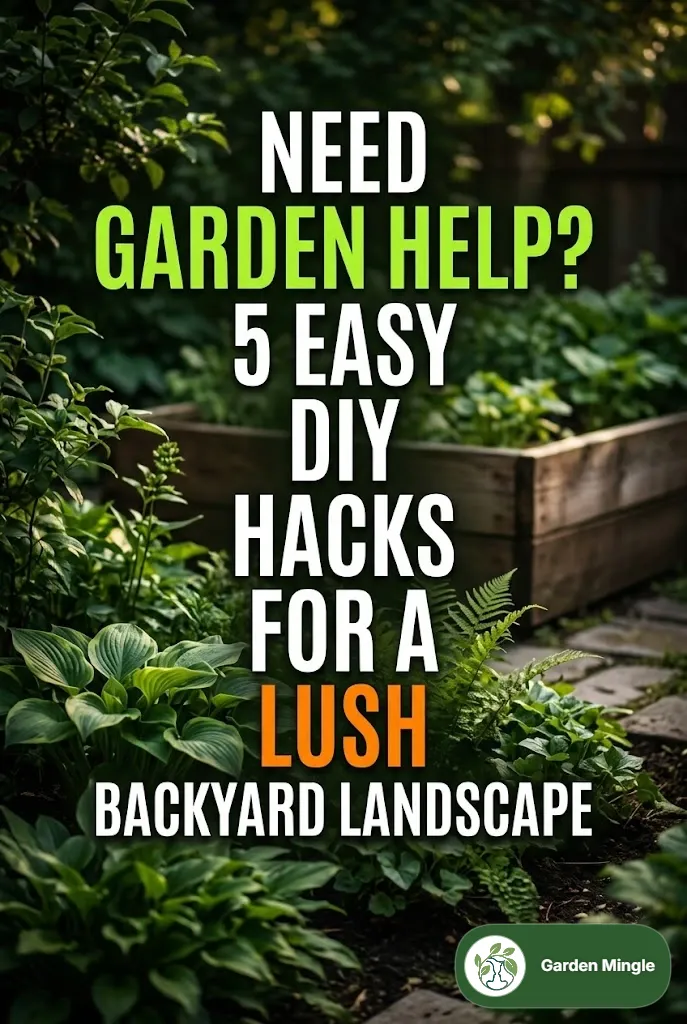
- Need Garden Help? 5 Easy DIY Hacks for a Lush Backyard Landscape - July 16, 2026
Share the post "Need Garden Help? 5 Easy DIY Hacks for a Lush Backyard Landscape"
If your backyard landscape isn’t living up to its potential, don’t fret! With just a few simple DIY hacks, you can transform your outdoor space into a lush paradise that feels both inviting and relaxing. Whether you’re a seasoned gardener or just starting out, these easy tips can help you elevate your garden game without breaking the bank. Let’s dig into five clever hacks that will have your backyard blooming beautifully in no time!
Quick Answer
To create a lush backyard landscape, try these five DIY hacks: use vertical gardening for space-saving, incorporate mulch for moisture retention, create natural pathways, utilize companion planting for pest control, and install a rainwater collection system for sustainable watering.
1. Vertical Gardening: Maximize Your Space
If you’re short on ground space, vertical gardening is a fantastic way to grow your plants upwards instead of outwards. This method not only saves space but also adds visual interest to your garden.
How to Get Started
- Choose Your Structure: Use trellises, wall planters, or hanging baskets. Pallets can also make great vertical planting stations.
- Select Your Plants: Opt for climbing plants like peas, beans, or flowering vines. Succulents and herbs also thrive in vertical setups.
- Install Properly: Ensure your structure is secure and positioned where it can receive adequate sunlight.
Vertical gardens not only beautify your backyard but can also serve as a functional space for growing food or herbs right at your fingertips!
2. Mulching for Moisture and Weed Control
Using mulch in your garden is a simple yet effective way to improve soil health and maintain moisture levels. It also significantly reduces the growth of weeds, saving you time and effort.
Benefits of Mulching
- Moisture Retention: Mulch helps soil retain water, reducing the need for frequent watering.
- Temperature Regulation: It keeps the soil cooler in the summer and warmer in the winter.
- Weed Suppression: A thick layer of mulch can prevent weed seeds from germinating.
How to Mulch Effectively
- Choose your mulch material: organic options like wood chips, straw, or grass clippings work well.
- Apply a 2-4 inch layer around your plants, ensuring it’s not touching plant stems directly.
- Replenish mulched areas as they break down or wash away over time.
This simple hack not only keeps your garden looking neat but also fosters a healthier environment for your plants to thrive.
3. Create Natural Pathways
Designing pathways through your garden can enhance its visual appeal while also providing functional access to different areas. Natural pathways made from stones, gravel, or wood can seamlessly integrate into your landscape.
Steps to Create Pathways
- Choose Your Pathway Material: Consider using flagstones, gravel, or wood chips based on your aesthetic preference.
- Mark the Pathway: Use a garden hose or string to outline the shape of your pathway.
- Excavate the Area: Dig down a few inches to create a stable base.
- Install the Pathway Material: Lay down your chosen material, ensuring it’s even and secure.
Natural pathways not only guide visitors through your garden but also create distinct areas for specific plants or activities, enhancing the overall experience of your backyard.
4. Companion Planting for Pest Control
Did you know certain plants can help each other grow while keeping pests at bay? Companion planting is a time-honored technique that encourages beneficial relationships between plants.
Examples of Companion Plants
- Tomatoes and Basil: Basil improves the flavor of tomatoes and deters pests.
- Marigolds and Vegetables: Marigolds repel nematodes and other garden pests.
- Corn and Beans: Beans fix nitrogen in the soil, benefiting corn growth.
By strategically planting companions, you can reduce the need for chemical pesticides and create a more harmonious garden ecosystem.
5. Install a Rainwater Collection System
Using rainwater for irrigation is not only eco-friendly but also cost-effective. Installing a rainwater collection system can help you manage water resources effectively.
How to Set Up a Rainwater Collection System
- Choose a Rain Barrel: Opt for a sturdy barrel that can hold at least 50 gallons of water.
- Locate a Downspout: Position the barrel under a downspout where rainwater naturally flows.
- Install a Diverter: Use a downspout diverter to channel water into the barrel while preventing overflow.
- Maintain Your System: Regularly clean the barrel and ensure the spigot is functioning properly.
This sustainable hack not only conserves water but also provides your garden with free, natural hydration.
Expert Tips for a Thriving Garden
- Soil Health: Regularly test your soil to understand its pH and nutrient levels. Amend it as needed for optimal plant growth.
- Seasonal Planning: Plan your planting schedule according to the seasons to maximize growth and yield.
- Regular Maintenance: Keep an eye on your plants for signs of distress and act quickly to address any issues.
Common Questions (FAQ)
What is the best time to plant in my garden?
The best time to plant depends on your climate zone. Generally, spring is ideal for most plants, while fall is great for perennials.
How often should I water my garden?
Most gardens need about 1 inch of water per week. Adjust according to rainfall and plant needs.
What are the benefits of organic gardening?
Organic gardening promotes biodiversity, reduces chemical use, and improves soil health, leading to a more sustainable ecosystem.
Conclusion
Transforming your backyard into a lush landscape is possible with just a few simple hacks. By incorporating these DIY tips, you can enhance the beauty and functionality of your garden while enjoying the process. Remember, gardening is a journey, so take your time to experiment and find what works best for you. Happy gardening!
Leave a Reply