
- 6 Rarely-Shared Peperomia Tricks Straight From Houseplant Pros - June 14, 2026
- 7 Pro Growers’ Secrets to Thriving Anthurium Clarinervium Indoors - June 14, 2026
- 6 Professional Plant Care Hacks for Perfect Tradescantia Nanouk Colors - June 14, 2026
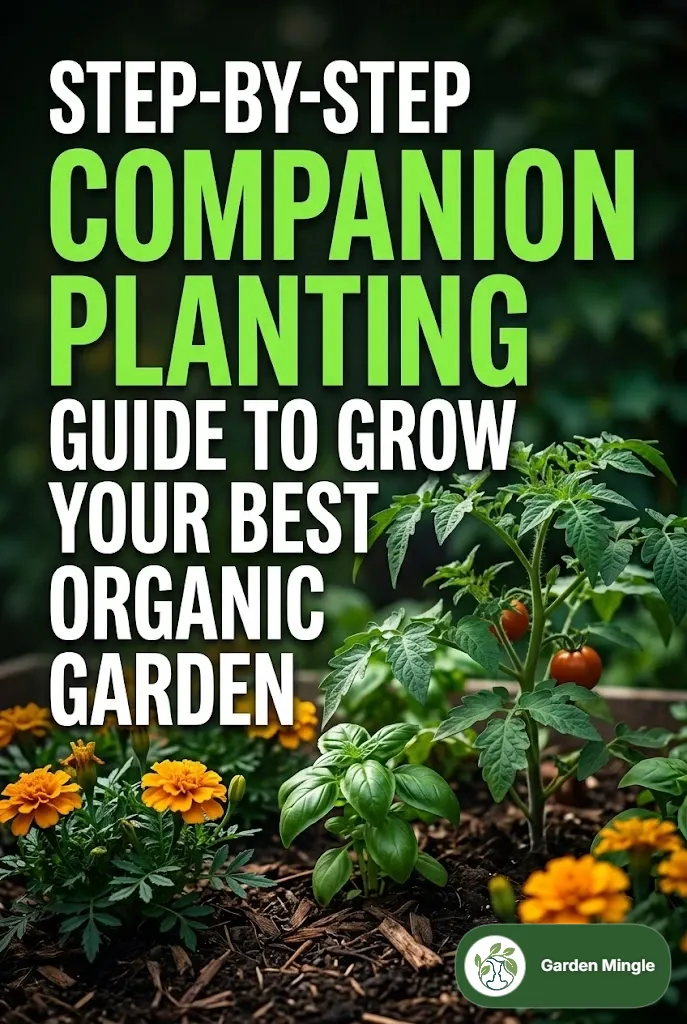
Share the post "Step-by-Step Companion Planting Guide to Grow Your Best Organic Garden"
Are you looking to elevate your organic gardening game? Companion planting might just be the secret ingredient to your lush, productive garden. By strategically pairing plants, you can enhance growth, deter pests, and improve flavors, all while fostering a thriving ecosystem. Whether you’re a seasoned gardener or just starting out, this step-by-step guide will help you understand the art of companion planting and how to implement it effectively in your garden.
Quick Answer
Companion planting involves growing different plants together to enhance growth, deter pests, and improve yields. Effective combinations include planting tomatoes with basil and carrots with onions. This method leverages the natural benefits of certain plants to create a healthier garden.
Understanding Companion Planting
Companion planting is not just a trend; it’s a time-tested gardening technique that has been utilized for centuries. The basic principle is simple: some plants thrive when grown together, while others can hinder growth or attract pests when in proximity. Here’s a deeper look at the benefits:
- Pest Control: Certain plants can repel pests or attract beneficial insects.
- Improved Growth: Some plants can enhance nutrient uptake and growth rates.
- Soil Enrichment: Legumes, for example, can fix nitrogen in the soil, benefiting neighboring plants.
Step-by-Step Guide to Companion Planting
Step 1: Plan Your Garden Layout
Before planting, sketch out your garden layout. Consider the sunlight, water needs, and mature sizes of your plants. Group plants that thrive together and consider their growth habits:
- Sunlight: Ensure taller plants don’t shade shorter ones.
- Water Needs: Place plants with similar watering requirements together.
- Mature Sizes: Avoid overcrowding; give each plant room to grow.
Step 2: Choose Your Companion Plants
Here are some classic companion pairings that work wonders:
- Tomatoes and Basil: Basil enhances the flavor of tomatoes and repels pests.
- Carrots and Onions: Onions deter carrot flies while carrots can mask onion scents.
- Corn and Beans: Beans fix nitrogen, helping corn grow tall and strong.
- Cucumbers and Nasturtiums: Nasturtiums attract aphids away from cucumbers.
Step 3: Prepare the Soil
Healthy soil is the foundation of a successful garden. Consider these tips:
- Test Soil pH: Most plants prefer a pH between 6.0 and 7.0.
- Add Organic Matter: Incorporate compost or well-rotted manure to enhance fertility.
- Loosen the Soil: Ensure good drainage by tilling or aerating the soil before planting.
Step 4: Planting Techniques
When planting, follow these techniques for optimal results:
- Spacing: Follow recommended spacing to prevent overcrowding.
- Depth: Plant seeds and seedlings at the correct depth for each species.
- Timing: Be mindful of the planting season; some plants thrive in cool weather, while others prefer warmth.
Step 5: Maintenance and Care
Once your plants are in the ground, maintain your garden with these tips:
- Watering: Water consistently, especially during dry spells. Mulching can help conserve moisture.
- Weeding: Regularly remove weeds that compete for nutrients and water.
- Pest Monitoring: Keep an eye on your plants. Handpick pests or use organic pest control methods as needed.
Pinterest-Style Ideas for Companion Planting
Here are some unique companion planting combinations to inspire your garden:
- Strawberries and Borage: Borage attracts pollinators and improves strawberry yields.
- Peppers and Marigolds: Marigolds deter aphids and nematodes, protecting your peppers.
- Radishes and Spinach: Fast-growing radishes can help break up soil for slower-growing spinach.
- Beets and Garlic: Garlic repels pests that might harm beets.
Expert Tips for Successful Companion Planting
As you embark on your companion planting journey, consider these insider tips:
- Start Small: If you’re new to this method, begin with a few pairings before expanding your garden.
- Observe and Adapt: Take notes on what works and what doesn’t; plants can behave differently in various conditions.
- Use Companion Planting Charts: Reference charts can provide quick visual guidance to help you choose the right pairings.
Common Questions About Companion Planting
What is the best companion plant for tomatoes?
Basil is considered one of the best companions for tomatoes as it can enhance their flavor and repel pests.
Can you plant all vegetables together?
No, not all vegetables thrive when planted together. Some can inhibit growth or attract pests, so it’s essential to choose compatible plants.
How does companion planting affect pest control?
Certain plants can repel pests or attract beneficial insects that prey on harmful pests, creating a natural pest control system.
Conclusion
Companion planting is a fantastic way to maximize the potential of your organic garden. By selecting the right pairings and caring for your plants, you can create a vibrant ecosystem that yields delicious produce. Dive into this method, experiment with different combinations, and watch your garden flourish like never before!
Leave a Reply