
- Propagating Succulent Leaves in Water: The Definitive Guide - August 16, 2026
- Succulent Pot Size Guide: 8 Things You Need To Know - August 16, 2026
- How to Prune a Succulent? (Complete Guide) - August 16, 2026
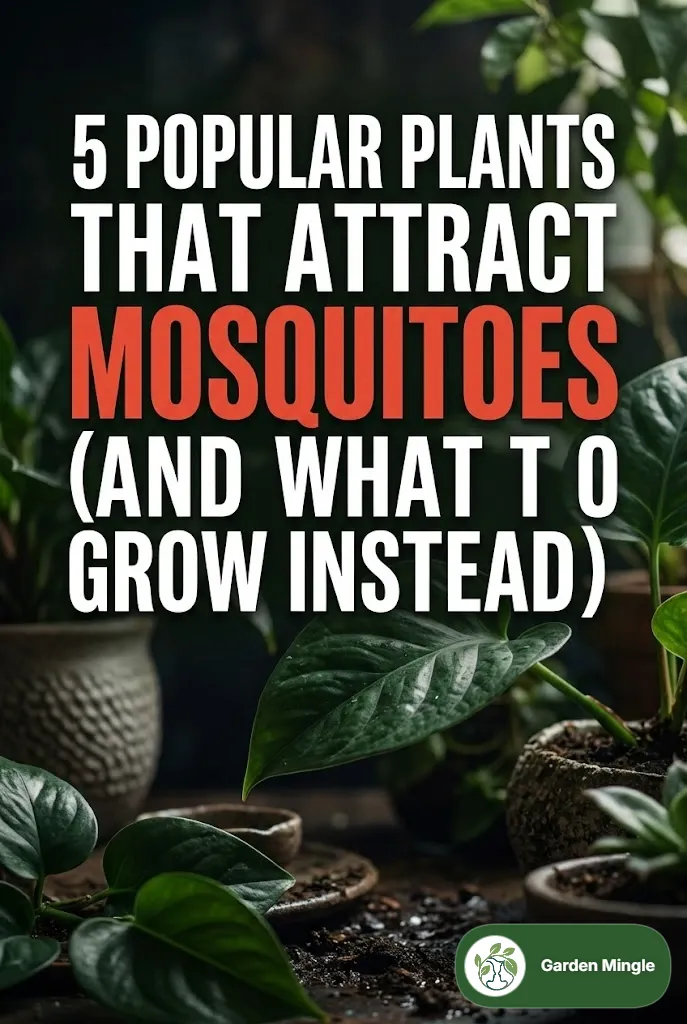
Share the post "5 Popular Plants That Attract Mosquitoes (And What to Grow Instead)"
As the warmer months approach, many of us look forward to spending time outdoors, soaking up the sun and enjoying the fresh air. However, the presence of mosquitoes can quickly turn a lovely evening into an itchy nightmare. Interestingly, some popular plants are known to attract these pesky insects, while others can help keep them at bay. Understanding which plants to avoid and what to grow instead can enhance your garden’s beauty and create a more enjoyable outdoor experience.
Quick Answer
Five popular plants that attract mosquitoes include marigolds, sweet clover, hibiscus, water lilies, and certain types of grasses. Instead, consider growing citronella, lavender, basil, catnip, or lemon balm to repel these unwanted pests effectively.
5 Popular Plants That Attract Mosquitoes
1. Marigolds
Marigolds are often touted as a garden favorite for their vibrant colors and ability to deter some pests. However, they can also attract mosquitoes, particularly if they are planted in a damp area. The moisture can create a breeding ground for these insects.
2. Sweet Clover
This fragrant plant may be appealing to gardeners, but its sweet scent can attract mosquitoes. Sweet clover thrives in wet, moist conditions, making it an attractive spot for mosquito breeding.
3. Hibiscus
Hibiscus plants are loved for their stunning flowers, but they can also attract mosquitoes, especially when their large blooms collect water. This stagnant water can serve as a breeding ground for these pests.
4. Water Lilies
Water lilies are beautiful additions to any pond or water feature. However, they provide a perfect habitat for mosquitoes to lay their eggs. The still water beneath the leaves can cause a significant increase in mosquito populations.
5. Certain Types of Grasses
While grasses can be a lovely addition to landscapes, tall and dense varieties can create shady areas that mosquitoes love. They can find refuge from the sun and moisture in these grassy spots, making your yard more inviting for these pests.
What to Grow Instead
Now that we know which plants to avoid, let’s explore some effective alternatives that can help repel mosquitoes and keep your outdoor space enjoyable.
1. Citronella
Citronella is perhaps the most well-known mosquito-repelling plant. Its strong scent masks other attractants, making areas less appealing to these insects. Planting citronella in pots around your patio or garden can create a natural barrier against mosquitoes.
2. Lavender
This lovely herb not only smells wonderful but also helps to keep mosquitoes at bay. Its fragrant oils are unpleasant to these pests. Lavender can be planted in sunny spots and even used in cooking, adding versatility to your garden.
3. Basil
Basil is another excellent plant that repels mosquitoes. The strong aroma of basil is disliked by these insects. Plus, it’s a fantastic culinary herb, making it a win-win for gardeners who love cooking.
4. Catnip
Catnip isn’t just for our feline friends; it also has properties that repel mosquitoes. Studies have shown that catnip can be more effective than DEET, a common insect repellent. It’s easy to grow and can thrive in various conditions.
5. Lemon Balm
Lemon balm, a member of the mint family, has a pleasant lemony scent that mosquitoes find off-putting. This hardy plant is easy to grow and can be used in teas and as a culinary herb, adding both beauty and functionality to your garden.
Pinterest-Style Ideas for a Mosquito-Repellent Garden
- Container Gardens: Create a mosquito-repelling container garden with citronella, lavender, and basil for a colorful, fragrant display.
- Herb Spiral: Design an herb spiral with catnip, lemon balm, and basil, showcasing a variety of scents and culinary uses.
- Outdoor Oasis: Incorporate mosquito-repelling plants in strategic locations around your outdoor seating areas to enhance comfort and deter pests.
- Flower Bed Borders: Use lavender and citronella as borders for flower beds to combine beauty with functionality.
- Wildlife-Friendly Garden: Design a garden that attracts beneficial insects while repelling mosquitoes, using native plants alongside the recommended herbs.
Expert Tips for a Mosquito-Free Garden
- Keep It Dry: Regularly check for standing water in your garden and remove it promptly to eliminate mosquito breeding grounds.
- Companion Planting: Use companion planting techniques by pairing mosquito-repelling plants with those that attract beneficial insects.
- Regular Maintenance: Maintain your garden by trimming tall grasses and shrubs to reduce shady spots where mosquitoes can thrive.
- Natural Repellents: Consider using natural mosquito repellents made from essential oils in your garden care routine.
Common Questions About Mosquito-Repelling Plants
1. Do mosquito-repelling plants really work?
Yes, many plants release scents that mask attractants, making areas less appealing to mosquitoes. While they may not completely eliminate mosquitoes, they can significantly reduce their presence.
2. Can I grow mosquito-repelling plants indoors?
Absolutely! Many mosquito-repelling plants, like basil and lavender, can thrive indoors with adequate sunlight.
3. How often should I water mosquito-repelling plants?
Watering needs vary by plant, but most prefer well-drained soil. Avoid overwatering, as stagnant water can attract mosquitoes.
Conclusion
Making informed choices about the plants you incorporate into your garden can have a significant impact on your outdoor experience. By avoiding mosquito-attracting plants and opting for those that repel these pests, you can create a beautiful, enjoyable space. Embrace the beauty of nature while keeping mosquitoes at bay, so you can fully enjoy your time outdoors!
Leave a Reply