
- Propagating Succulent Leaves in Water: The Definitive Guide - August 16, 2026
- Succulent Pot Size Guide: 8 Things You Need To Know - August 16, 2026
- How to Prune a Succulent? (Complete Guide) - August 16, 2026
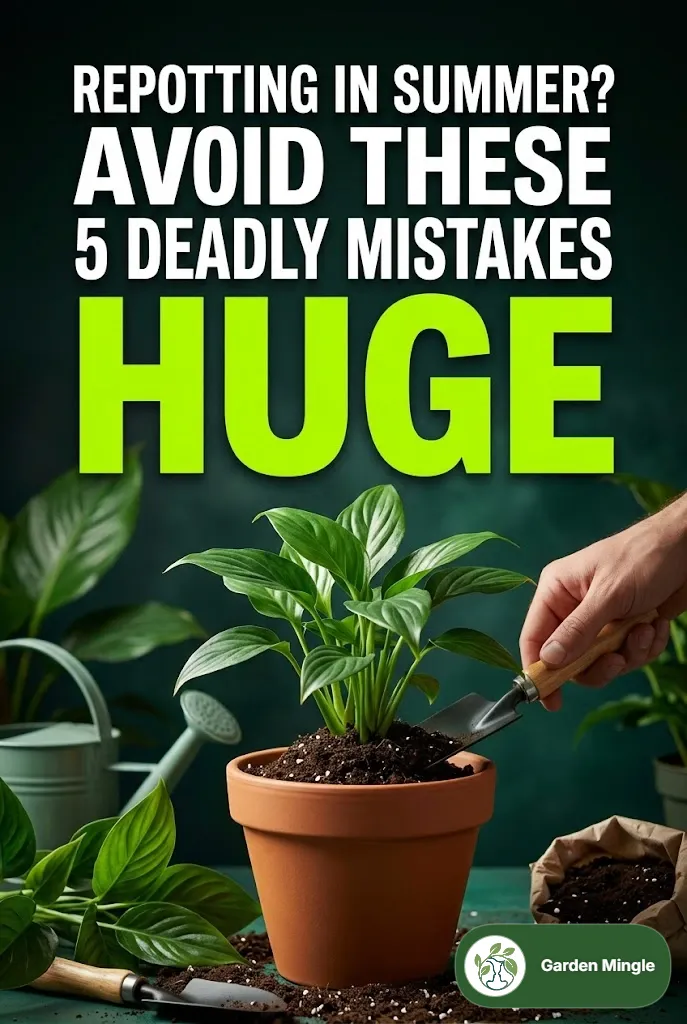
Summer is a vibrant season for plants, but it can also present unique challenges when it comes to repotting. The warm weather and increased growth can tempt gardeners to make hasty decisions, leading to mistakes that could harm their beloved green companions. Whether you’re a seasoned gardener or a novice, understanding the common pitfalls of summer repotting can save you a lot of heartache. Let’s dive into the top five deadly mistakes to avoid when repotting your plants during the summer months.
Quick Answer
When repotting in summer, avoid these five mistakes: repotting during extreme heat, using the wrong pot size, neglecting soil quality, skipping post-repotting care, and repotting stressed plants. Each of these can lead to plant distress or even death.
1. Repotting During Extreme Heat
One of the most critical mistakes is choosing a hot, sunny day for repotting. High temperatures can stress plants, making them less able to recover from the shock of being moved.
Why It Matters
In summer, plants are already working hard to cope with heat and possibly drought. Repotting during peak heat can lead to wilting or damage to the roots.
What to Do Instead
- Choose cooler times of the day, like early morning or late afternoon.
- Avoid repotting on particularly hot days; aim for a day with mild temperatures.
- Consider using shade cloth to protect the plant during the process.
2. Using the Wrong Pot Size
Another common mistake is selecting a pot that is either too large or too small for the plant.
Why It Matters
A pot that’s too large can retain excess moisture, leading to root rot, while a pot that’s too small can restrict root growth and stunt the plant’s development.
What to Do Instead
- Opt for a pot that is 1–2 inches larger in diameter than the current pot for most plants.
- Ensure the new pot has adequate drainage holes to prevent water accumulation.
- Consider the growth habits of the plant; fast-growing plants may need more space than slower ones.
3. Neglecting Soil Quality
Soil plays a crucial role in the health of your plants, yet many gardeners overlook its importance when repotting.
Why It Matters
Using poor-quality soil can lead to nutrient deficiencies, poor drainage, and unhealthy root systems.
What to Do Instead
- Choose a high-quality potting mix suited for your specific plant type.
- Consider adding amendments like perlite or vermiculite for better drainage.
- Ensure the soil is fresh and free from pests or diseases.
4. Skipping Post-Repotting Care
After repotting, many gardeners assume their job is done. However, this is a critical time for the plant.
Why It Matters
Plants need extra care after being moved to a new pot to help them adjust and recover from the shock.
What to Do Instead
- Water thoroughly after repotting but avoid overwatering. Let the top inch of soil dry out before the next watering.
- Place the plant in a spot with indirect light for a few days to minimize stress.
- Monitor the plant closely for signs of distress, such as drooping leaves or discoloration.
5. Repotting Stressed Plants
Repotting a plant that is already stressed from underwatering, overwatering, pests, or disease can be disastrous.
Why It Matters
Stressed plants are less able to cope with the additional shock of being repotted, increasing the risk of death.
What to Do Instead
- Assess the health of your plant before deciding to repot.
- If the plant shows signs of stress, focus on improving its care—such as watering properly or treating pests—before repotting.
- Give the plant time to recover before making any changes to its environment.
Expert Tips for Successful Summer Repotting
With these mistakes in mind, here are some additional tips to ensure a successful repotting experience during the summer.
- Timing is key: Mid-summer can be a great time to repot, as long as you avoid the hottest days.
- Keep it clean: Sterilize pots and tools before using them to prevent disease transmission.
- Observe your plant: Take note of its growth patterns and behaviors to better understand its needs.
- Be gentle: Handle the roots with care to minimize damage during the repotting process.
Common Questions
1. How often should I repot my plants in summer?
Generally, repotting every 1-2 years is sufficient, but it depends on the plant type and growth rate.
2. Can I use garden soil for repotting?
It’s best to use potting mix designed for container plants, as garden soil can compact and restrict root growth.
3. What signs indicate that my plant needs repotting?
Signs include roots growing out of the drainage holes, stunted growth, or water not absorbing well in the pot.
4. Should I prune the roots when repotting?
Only prune if the roots are severely tangled or damaged; otherwise, it’s best to leave them intact.
5. Is it better to repot in spring or summer?
Spring is often ideal for most plants, but summer can work if you follow best practices and avoid heat stress.
Conclusion
Repotting in summer can be a rewarding experience for your plants if done thoughtfully. By avoiding these five deadly mistakes, you can ensure that your plants thrive in their new homes. Remember to choose the right day, pot, soil, and care for your plant post-repotting. With a little patience and attention, your plants will flourish throughout the warm months and beyond.
Leave a Reply