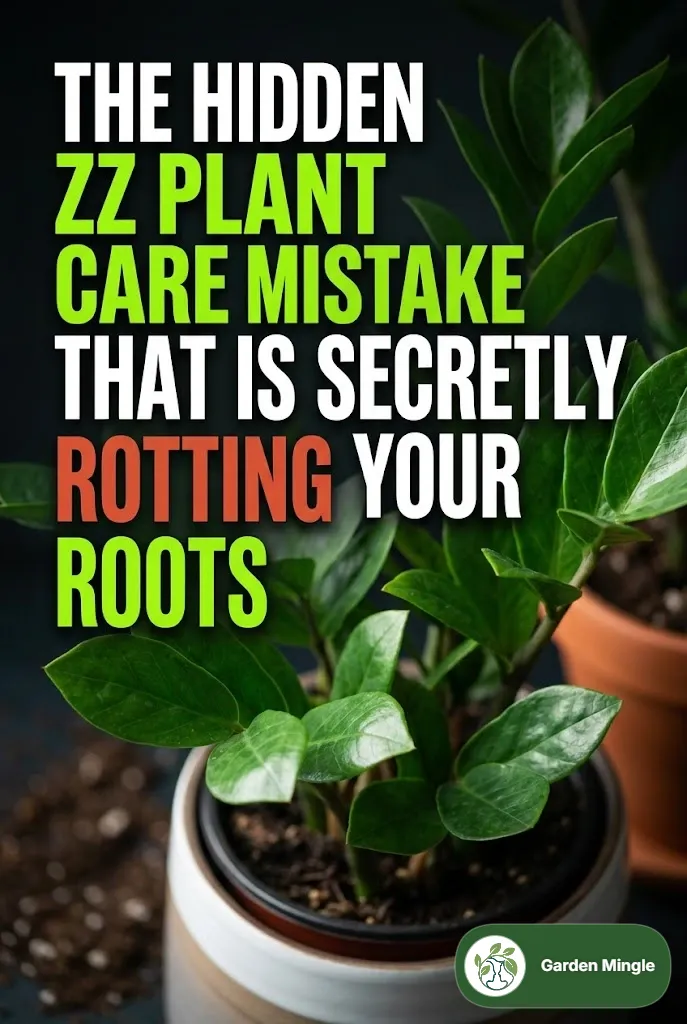

Share the post "The Hidden ZZ Plant Care Mistake That Is Secretly Rotting Your Roots"
ZZ plants, with their glossy leaves and resilience, have become a favorite houseplant for many. They’re known for thriving in low light and requiring minimal care, making them perfect for busy lifestyles. However, even the hardiest plants can fall victim to common care mistakes. One such mistake can lead to root rot, a silent destroyer that can quickly turn your thriving ZZ plant into a wilted shadow of itself. Let’s dive into the hidden error that could be secretly rotting your roots and how to prevent this from happening.
Understanding the ZZ Plant
The ZZ plant, or Zamioculcas zamiifolia, is native to East Africa and is renowned for its ability to tolerate neglect. Its thick, waxy leaves not only look stunning but also store water, allowing it to thrive in dry conditions. While this plant is forgiving, it has specific needs that, if overlooked, can lead to detrimental issues like root rot.
The Importance of Proper Watering
One of the most common mistakes in ZZ plant care is improper watering. Many plant owners either overwater or underwater their ZZ plants, both of which can lead to root rot.
Signs of Overwatering
- Leaves turning yellow or brown
- Soft, mushy stems
- Foul smell coming from the soil
Signs of Underwatering
- Leaves curling or wilting
- Dry, crispy leaf edges
- Soil pulling away from the pot
Finding the Right Watering Schedule
To avoid these issues, it’s crucial to establish a proper watering routine. Here’s a simple guide:
- Check the Soil: Always check if the top 2 inches of soil are completely dry before watering.
- Water Deeply: When you do water, ensure you’re saturating the entire root ball. This encourages deep rooting.
- Drainage is Key: Ensure your pot has drainage holes. Excess water must escape to prevent rot.
The Hidden Mistake: Poor Soil Selection
Another hidden mistake that many ZZ plant owners make is not using the right soil. While ZZ plants can adapt to various potting mixes, using a heavy, moisture-retaining soil can lead to problems.
Choosing the Right Soil Mix
For optimal growth and to prevent root rot, consider the following soil mix tips:
- Well-draining Soil: Use a mix that allows for good drainage. A cactus or succulent mix is ideal.
- Add Perlite or Sand: Incorporate perlite or coarse sand to improve aeration and drainage.
- Avoid Heavy Peat Mixes: Stay away from heavy peat-based soils that retain too much moisture.
Repotting Your ZZ Plant
Repotting is essential to refresh the soil and provide more space for growth. Here’s how to do it correctly:
- Choose the Right Time: Repot in spring or early summer when the plant is actively growing.
- Gently Remove the Plant: Carefully take your ZZ plant out of its pot, trying to disturb the roots as little as possible.
- Inspect the Roots: Look for any signs of rot (brown, mushy roots) and trim them away with sterilized scissors.
- Place in New Soil: Fill the new pot with fresh, well-draining soil before placing the plant back in.
Expert Tips to Keep Your ZZ Plant Thriving
Now that you’re aware of the hidden mistake lurking in your ZZ plant care, here are some expert tips to keep your plant healthy:
- Humidity and Temperature: ZZ plants prefer moderate humidity and temperatures between 65°F to 75°F (18°C to 24°C).
- Light Requirements: While ZZ plants can survive in low light, they thrive in bright, indirect light. Avoid direct sunlight, which can scorch the leaves.
- Fertilization: Fertilize sparingly, only during the growing season (spring and summer) with a balanced houseplant fertilizer.
- Inspect Regularly: Keep an eye on your plant for any signs of stress or pests. Early detection is key!
Common Questions About ZZ Plant Care
How often should I water my ZZ plant?
Water your ZZ plant every 2-3 weeks, allowing the top 2 inches of soil to dry out completely between waterings.
What should I do if my ZZ plant has root rot?
Remove the plant from its pot, trim away any rotten roots, and repot it in fresh, well-draining soil.
Can ZZ plants tolerate low light conditions?
Yes, ZZ plants can tolerate low light but will grow best in bright, indirect light.
How can I promote bushier growth in my ZZ plant?
Consider pruning back leggy stems and providing adequate light to encourage bushier growth.
Conclusion
Caring for a ZZ plant can be a rewarding experience, but avoiding hidden mistakes is crucial for its health. By understanding proper watering practices, selecting the right soil, and following expert tips, you can ensure your ZZ plant thrives for years to come. Take action today to improve your plant care routine and enjoy the lush greenery that the ZZ plant brings to your home!
Leave a Reply