
- Bird of Paradise Plant Care: Easy Tips for a Thriving Tropical Beauty - July 2, 2026
- Monstera Plant Care: Complete Guide - July 2, 2026
- Rubber Plant Care + Growing Tips for Beginners - July 2, 2026
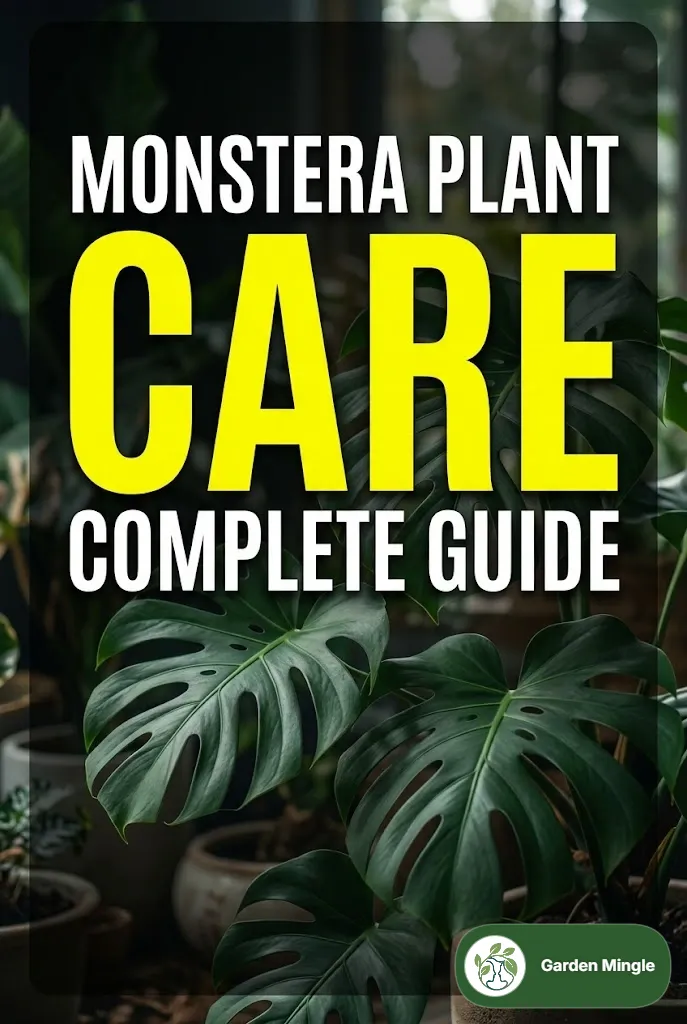
Monstera plants, also known as Swiss cheese plants, have taken the indoor gardening world by storm. Their stunning foliage, characterized by large, glossy leaves with unique splits and holes, adds a touch of tropical elegance to any space. However, caring for a Monstera can be a bit tricky for beginners. If you’re wondering how to keep this beauty thriving, you’re in the right place! Let’s explore everything you need to know about Monstera plant care.
Quick Answer
To care for a Monstera plant, provide bright, indirect light, water when the top inch of soil is dry, maintain humidity levels, and fertilize during the growing season. Regular pruning ensures healthy growth and prevents overcrowding.
Understanding Monstera Plants
Monstera plants are native to the tropical rainforests of Central America. They are renowned for their ability to adapt to various indoor conditions, making them a popular choice among plant enthusiasts. Understanding its natural habitat can help you replicate the ideal conditions for your Monstera.
Light Requirements
Monstera plants prefer bright, indirect light. Direct sunlight can scorch their leaves, while too little light may hinder their growth. Here are some tips to ensure your Monstera gets the right amount of light:
- Place your Monstera near an east or north-facing window.
- If using artificial light, opt for grow lights that emit the full spectrum.
- Rotate the plant every few weeks to ensure even growth.
Watering Your Monstera
Watering is crucial for the health of your Monstera. Overwatering can lead to root rot, while underwatering can cause the leaves to yellow. Follow these guidelines for watering:
- Water when the top inch of soil feels dry.
- Ensure the pot has drainage holes to prevent water from sitting at the bottom.
- During winter months, reduce watering frequency as the plant’s growth slows.
Soil and Potting
Choosing the right soil mix is essential for your Monstera’s health. A well-draining potting mix will support healthy root development. Consider the following:
- Use a peat-based mix with added perlite or orchid bark for aeration.
- Consider using a pot that is one size larger every couple of years to allow for growth.
- Check for root bound conditions and repot if necessary.
Humidity and Temperature
Monstera plants thrive in high humidity and warm temperatures, mimicking their natural rainforest environment. Here’s how to maintain ideal conditions:
- Keep humidity levels between 40-60%. Use a humidity monitor to track this.
- Consider using a humidifier or placing a pebble tray filled with water beneath the pot.
- Maintain temperatures between 65°F to 85°F (18°C to 29°C).
Fertilizing Your Monstera
Feeding your Monstera during its growing season (spring and summer) helps encourage healthy growth and vibrant leaves. Here’s how to fertilize:
- Use a balanced, water-soluble fertilizer every 4-6 weeks during the growing season.
- Reduce or eliminate fertilization in the fall and winter months.
- Always follow the manufacturer’s instructions for dilution and application rates.
Pruning and Maintenance
Regular pruning not only keeps your Monstera looking its best but also encourages new growth. Consider these tips:
- Trim yellowing or damaged leaves at the base.
- Cut back leggy growth to encourage bushier growth.
- Use clean, sharp pruning shears to prevent disease spread.
Pest Management
Like all plants, Monsteras can face pest issues. Regularly check for signs of pests such as spider mites, aphids, or mealybugs. Here’s how to manage them:
- Wipe leaves with a damp cloth to remove dust and check for pests.
- If pests are present, use insecticidal soap or neem oil as a natural remedy.
- Isolate infested plants to prevent the spread of pests.
Common Mistakes to Avoid
Even seasoned gardeners can make mistakes. Here are some common pitfalls to avoid when caring for your Monstera:
- Overwatering: Always check soil moisture before watering.
- Ignoring humidity: Low humidity can lead to leaf browning.
- Neglecting pest checks: Regular inspection can save your plant from infestations.
Expert Tips for Thriving Monsteras
To make your Monstera truly thrive, consider these insider tips:
- Consider providing a moss pole for climbing, which mimics their natural growth habit.
- Dust leaves regularly to enhance photosynthesis.
- Observe your plant closely; it will show signs if something is off, like drooping leaves or discoloration.
Common Questions About Monstera Care
How often should I repot my Monstera?
Typically, repot every 1-2 years or when you notice it’s root-bound.
Why are the edges of my Monstera leaves turning brown?
Browning edges can be a sign of underwatering or low humidity levels.
Can I propagate my Monstera?
Yes! Monstera can be propagated through stem cuttings with at least one node.
Conclusion
Caring for a Monstera plant can be a rewarding experience, adding beauty and life to your home. By following these care tips, you’ll ensure your plant thrives and continues to bring joy for years to come. So grab your watering can, find the perfect spot, and enjoy the journey of nurturing your Monstera!
Leave a Reply