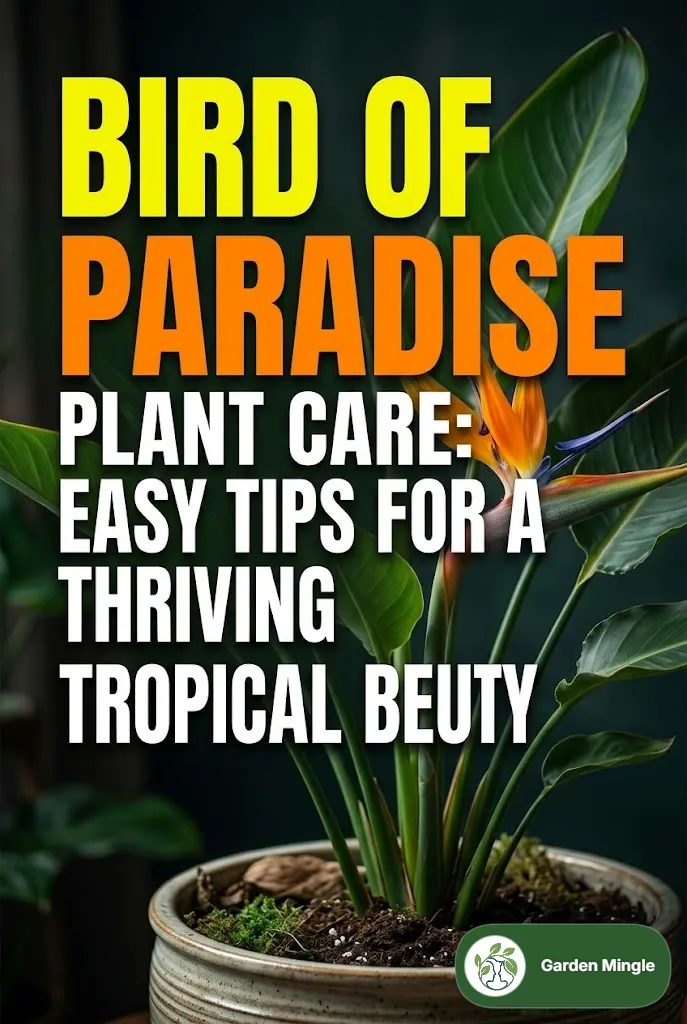

- Bird of Paradise Plant Care: Easy Tips for a Thriving Tropical Beauty - July 2, 2026
- Monstera Plant Care: Complete Guide - July 2, 2026
- Rubber Plant Care + Growing Tips for Beginners - July 2, 2026
Share the post "Bird of Paradise Plant Care: Easy Tips for a Thriving Tropical Beauty"
Imagine stepping into your garden and being greeted by the vibrant, exotic flowers of the Bird of Paradise plant, reminiscent of a tropical paradise. This stunning plant, with its bold foliage and striking blooms, can elevate any space, whether in your garden or indoors. However, achieving that lush look requires some specific care. If you’re eager to learn how to cultivate this striking plant and keep it thriving, you’re in the right place!
Quick Answer
The Bird of Paradise plant thrives best in well-draining soil, requires bright, indirect sunlight, and should be watered when the top inch of soil feels dry. Regular feeding during the growing season and occasional pruning will keep it healthy and beautiful.
Understanding the Bird of Paradise
Before diving into care tips, let’s explore what makes the Bird of Paradise plant unique. Native to South Africa, this perennial plant is known for its stunning, bird-like flowers that bloom in vibrant colors. It’s not just about the flowers; its large, banana-like leaves can also add a tropical feel to your garden or home. Understanding its natural habitat can help you replicate the ideal conditions for growth.
Choosing the Right Location
The Bird of Paradise loves sunlight but can be quite picky about where it gets it. Here’s how to choose the best spot:
- Indoors: Place it near a bright window, but avoid direct sunlight, which can scorch the leaves.
- Outdoors: A spot with morning sun and afternoon shade works best, especially in hotter climates.
Soil and Potting Requirements
Choosing the right soil and pot is crucial for your Bird of Paradise plant. Here are some vital tips:
Soil Type
Opt for well-draining potting soil. A mix designed for tropical plants or one that includes peat moss and perlite works well. This ensures that the roots don’t sit in water, which can lead to rot.
Pot Selection
Select a pot with drainage holes. This allows excess water to escape, preventing soggy soil. As the plant grows, you may need to repot it every couple of years into a larger container.
Watering Your Bird of Paradise
Watering can be a bit tricky. Here’s how to get it right:
- Allow the top inch of soil to dry out before watering again. This prevents overwatering.
- During the growing season (spring and summer), your plant will need more water. In fall and winter, reduce the frequency.
- Use room temperature water to avoid shocking the roots.
Feeding and Fertilization
To encourage lush growth and vibrant blooms, regular feeding is essential:
- Fertilizer Type: Use a balanced, water-soluble fertilizer during the growing season. Look for a formula with equal parts nitrogen, phosphorus, and potassium (NPK).
- Frequency: Feed your Bird of Paradise every 4-6 weeks from spring through summer. Reduce feeding in fall and winter.
Humidity and Temperature Preferences
Bird of Paradise plants thrive in humid environments. Here’s how to create the perfect atmosphere:
- Humidity: Aim for 60% or higher humidity. You can increase humidity by misting the leaves or placing a humidifier nearby.
- Temperature: Ideal temperatures range from 65°F to 70°F (18°C to 21°C) during the day, with a slight drop at night. Avoid exposing the plant to temperatures below 50°F (10°C).
Pruning and Maintenance
Regular maintenance keeps your Bird of Paradise looking its best:
Pruning Tips
- Remove any dead or damaged leaves to encourage new growth.
- Prune back any spent flowers to maintain a tidy appearance.
- During the growing season, you can trim the plant to control its size if it becomes too large.
Common Mistakes to Avoid
- Overwatering is one of the most common mistakes. Always check the soil moisture before watering.
- Neglecting to fertilize during the growing season can lead to weak growth.
- Placing the plant in direct sunlight can scorch its leaves.
Pinterest-Style Ideas for Displaying Bird of Paradise
Once your Bird of Paradise is thriving, consider creative ways to showcase its beauty:
- Tropical Corner: Create a mini tropical oasis by placing it alongside other indoor tropical plants like monstera and philodendron.
- Outdoor Statement: Plant it in a prominent spot in your garden where it can stand tall and be a focal point.
- Container Combinations: Use a decorative pot and pair it with flowers that complement its bold colors, such as purple or yellow blooms.
Expert Tips for Thriving Plants
Here are some insider tips to ensure your Bird of Paradise flourishes:
- Rotate the plant periodically to ensure even growth on all sides.
- If you notice slow growth, consider repotting to refresh the soil and give the roots more space.
- Be patient! It can take a few years for your Bird of Paradise to bloom, but the wait is worth it.
Common Questions About Bird of Paradise Care
How often should I water my Bird of Paradise?
Water when the top inch of soil is dry, usually every 1-2 weeks, depending on the season.
Why isn’t my Bird of Paradise flowering?
Common reasons include insufficient sunlight, improper watering, or lack of nutrients. Ensure your plant gets enough light and is well-fed.
Can I grow Bird of Paradise indoors?
Yes, it can thrive indoors as long as it receives enough light and humidity.
What pests should I watch for?
Keep an eye out for spider mites and aphids. Regularly inspect your plant and treat any infestations promptly.
Conclusion
With the right care, your Bird of Paradise can become a stunning centerpiece in your home or garden. By understanding its needs for light, water, and nutrients, you’ll be well on your way to enjoying its exotic beauty. So, roll up your sleeves, and let your gardening journey flourish with this tropical gem!
Leave a Reply