
- 10 Stunning Shade Plants That Thrive in Michigan Gardens - July 4, 2026
- 10 Gorgeous Shade Plants That Deer Always Avoid - July 4, 2026
- Easy Herbal Plants: 10 Genius Tips to Grow Rosemary Indoors - July 4, 2026
Creating a beautiful garden can feel like a daunting task, especially when you’re faced with the challenge of pesky deer munching on your plants. The good news is that there are plenty of stunning shade plants that deer tend to avoid. By selecting the right plants, you can enjoy a lush garden without worrying about your floral favorites becoming a deer buffet. Let’s explore ten gorgeous shade plants that will thrive in your garden while keeping those deer at bay!
Quick Answer
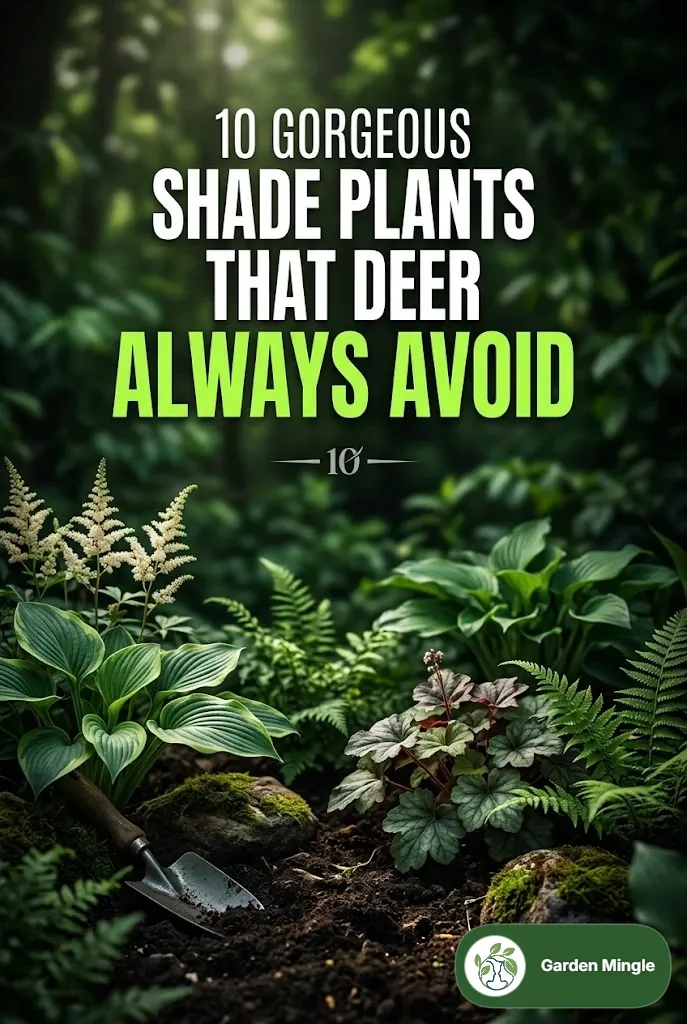
Deer typically avoid plants with strong scents or textures. Some stunning shade plants that deer tend to stay away from include hostas, ferns, and astilbes. Choosing these plants can help you maintain a beautiful garden while deterring deer.
1. Hostas
Hostas are a popular choice for shaded gardens, and for good reason. With their lush foliage and variety of colors—from deep greens to vibrant blues and yellows—hostas add a stunning visual element to any garden. Deer generally avoid hostas due to their thick, waxy leaves.
Planting Tips:
- Choose a location with partial to full shade.
- Ensure well-drained soil to prevent root rot.
2. Ferns
Ferns are classic shade plants that provide a soft, feathery texture to gardens. Varieties such as Japanese painted fern and Lady fern thrive in low-light conditions and add a touch of elegance. The bitter taste of ferns also makes them unappealing to deer.
Planting Tips:
- Plant in rich, moist soil for optimal growth.
- Group different fern types for visual interest.
3. Astilbes
Astilbes are known for their vibrant plumes of flowers that bloom in summer, adding a burst of color to shady spots. With their feathery flowers in shades of pink, red, and white, they create a stunning contrast against their deep green foliage. Deer usually avoid astilbes due to their hairy leaves.
Planting Tips:
- Keep soil consistently moist, especially in sunny areas.
- Space them apart to allow for air circulation.
4. Bleeding Heart
The bleeding heart plant is a charming perennial that produces heart-shaped flowers in shades of pink and white. Its unique appearance and delicate foliage make it a favorite for shaded gardens. Deer tend to steer clear of this plant due to its toxicity when ingested.
Planting Tips:
- Plant in well-drained soil with plenty of organic matter.
- Ensure partial to full shade for best results.
5. Coral Bells (Heuchera)
Coral bells are prized for their colorful foliage, which can range from deep burgundy to vibrant lime green. These versatile perennials thrive in shady areas and are often used as ground cover. The texture and taste of coral bells deter deer, making them an excellent choice for your garden.
Planting Tips:
- Plant in well-drained soil with good sunlight filtering through.
- Mix different varieties for a colorful display.
6. Japanese Sedge (Carex morrowii)
This ornamental grass offers a beautiful texture and is perfect for shady areas. Japanese sedge has a unique, arching form that adds visual interest and is also deer-resistant. Its lush green leaves provide a lovely backdrop for other shade-loving plants.
Planting Tips:
- Plant in moist, well-drained soil.
- Use as a border plant or in mass plantings for an eye-catching effect.
7. Foxglove
Foxgloves are known for their tall spikes of tubular flowers, typically in shades of purple, pink, or white. These stunning plants thrive in partial shade and are often avoided by deer due to their toxicity. They not only add beauty but also attract pollinators to your garden.
Planting Tips:
- Plant in rich, well-drained soil.
- Be mindful of their biennial nature; they may not flower in the first year.
8. Tiger Lily
Tiger lilies are vibrant, hardy plants that thrive in shaded areas. Their striking orange flowers with black spots create a stunning focal point in any garden. Deer tend to avoid tiger lilies because of their strong scent and taste.
Planting Tips:
- Plant in well-drained soil with good moisture retention.
- Deadhead spent blooms to encourage more flowering.
9. Sweet Woodruff
This low-growing perennial is perfect for ground cover in shaded areas. Sweet woodruff features fragrant leaves and delicate white flowers in spring, making it a charming addition to any garden. Its strong scent deters deer, while its lush greenery provides an attractive carpet.
Planting Tips:
- Plant in well-drained, moist soil.
- Use in shady borders or as a natural weed suppressor.
10. Solomon's Seal
Solomon’s Seal is a graceful perennial with arching stems and bell-shaped flowers. This plant thrives in shaded areas and adds a touch of elegance to any garden. Deer tend to avoid it due to its bitter taste and medicinal properties.
Planting Tips:
- Choose a spot with partial shade and well-drained soil.
- Allow for space between plants to promote air circulation.
Expert Tips
To further deter deer from your garden, consider these insider tips:
- Mix Plants: Combine deer-resistant plants with those that deer tend to avoid.
- Texture Matters: Choose plants with strong scents or unpleasant textures to deter deer.
- Companion Planting: Use garlic or onion near your shade plants to create a natural deer deterrent.
Common Questions
What other plants are deer-resistant?
In addition to the plants mentioned, consider adding lavender, rosemary, or sage to your garden as they are known for their strong scents that deer dislike.
How can I protect my plants from deer?
Use physical barriers like fencing, plant deer-resistant varieties, or apply deer repellents available in garden centers.
Do deer eat flowers?
Yes, deer will eat flowers, but they often avoid those with strong scents, bitter tastes, or tough textures.
Conclusion
By choosing the right shade plants, you can create a stunning garden that deer will avoid. Incorporating hostas, ferns, and astilbes not only beautifies your space but also helps you maintain it without the worry of deer damage. With a little planning and care, your garden can flourish beautifully, even in the shade!
Leave a Reply