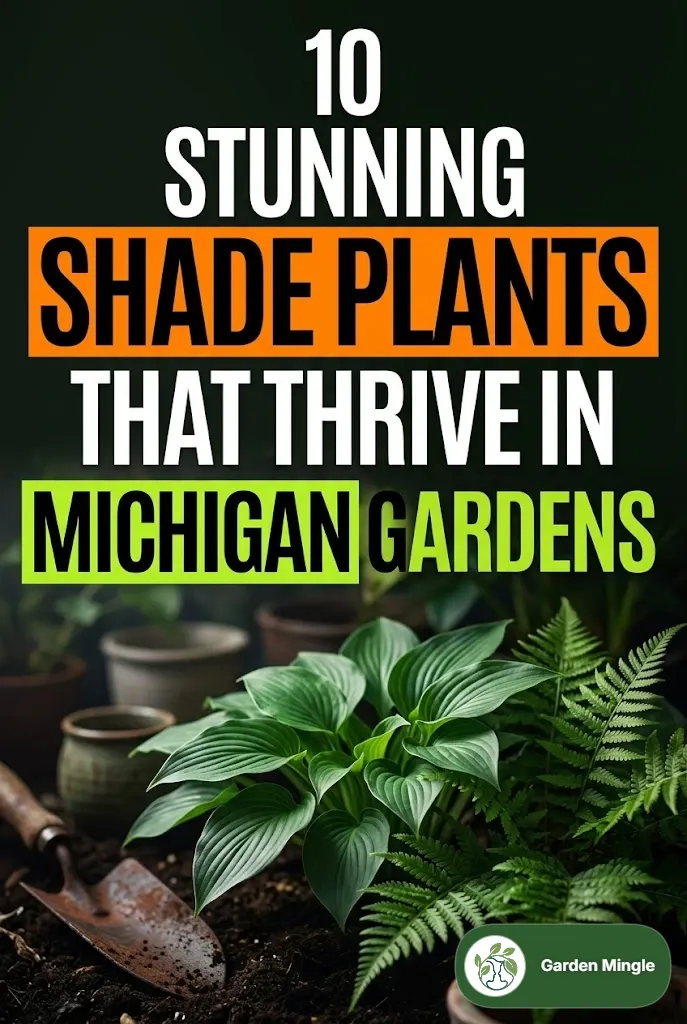

- 10 Stunning Shade Plants That Thrive in Michigan Gardens - July 4, 2026
- 10 Gorgeous Shade Plants That Deer Always Avoid - July 4, 2026
- Easy Herbal Plants: 10 Genius Tips to Grow Rosemary Indoors - July 4, 2026
Share the post "10 Stunning Shade Plants That Thrive in Michigan Gardens"
Creating a vibrant garden in Michigan can be a challenge, especially when it comes to areas that receive less sunlight. If you have shady spots in your yard, don’t despair! There are numerous plants that flourish in low-light conditions. Whether you’re looking to fill a woodland garden, enhance the borders of your patio, or simply add some greenery to darker corners, there are stunning shade plants that will thrive in Michigan’s climate. Let’s explore ten of these beautiful options that will bring life to your shade garden.
Quick Answer
For Michigan gardens, consider planting hostas, ferns, astilbes, and bleeding hearts. These shade-loving plants not only thrive in low-light conditions but also add stunning visual interest to your landscape.
1. Hostas
Hostas are perhaps the most popular shade plants for Michigan gardens. Known for their lush foliage, these perennials come in various sizes and colors, from vibrant greens to striking blues and variegated varieties. Hostas thrive in partial to full shade and are relatively low-maintenance.
Tips for Growing Hostas
- Ensure well-drained soil; amend with compost if necessary.
- Water consistently, especially during dry spells.
- Fertilize in early spring to promote healthy growth.
2. Astilbes
Astilbes offer beautiful plumes of flowers that can brighten any shaded area. Blooming in shades of pink, red, and white, these perennial plants thrive in moist, well-drained soil. They not only tolerate shade but also attract pollinators like butterflies.
Pro Tips for Astilbes
- Plant in groups for a more dramatic effect.
- Keep the soil consistently moist, especially in the summer.
3. Bleeding Hearts
With their unique heart-shaped flowers, bleeding hearts (Dicentra spectabilis) are a must-have in any shade garden. These perennials bloom in spring and early summer, producing delicate pink or white flowers that dangle gracefully from arching stems.
Growing Conditions for Bleeding Hearts
- Prefers rich, organic soil with good drainage.
- It’s best to plant them in partial shade to full shade.
4. Ferns
Ferns are a classic choice for shady areas. They offer a variety of textures and shapes, creating a lush, green backdrop in your garden. Popular varieties include the Lady Fern and Ostrich Fern, both of which thrive in Michigan.
Care Tips for Ferns
- Keep soil moist, but avoid waterlogging.
- Most ferns prefer a slightly acidic soil pH.
5. Coral Bells (Heuchera)
Coral bells are prized for their colorful foliage, which can range from deep purple to bright chartreuse. They produce delicate flower spikes in spring, adding to their charm. These plants thrive in partial shade and are very adaptable.
Growing Coral Bells
- Choose a location with good air circulation.
- Water regularly but allow the topsoil to dry out between waterings.
6. Hellebores (Lenten Rose)
Hellebores are one of the first flowers to bloom in spring, often pushing through the snow. These perennial plants are resilient and can thrive in various soil conditions. Their flowers can be white, pink, or even deep burgundy.
Benefits of Hellebores
- They are deer resistant.
- They thrive in poor soil conditions.
7. Japanese Forest Grass (Hakonechloa macra)
This ornamental grass adds a soft, flowing texture to shady areas. Its bright green or golden foliage brings a touch of elegance to any garden. Japanese forest grass prefers moist, well-drained soil and partial shade.
Care Instructions
- Mulch around the base to retain moisture.
- Prune in early spring to encourage healthy growth.
8. Lungwort (Pulmonaria)
Lungwort is a charming perennial that produces lovely blue or pink flowers in spring. Its spotted leaves provide visual interest even when it’s not in bloom. This plant thrives in shaded areas and prefers moist, well-drained soil.
Growing Lungwort
- Divide every few years to keep plants healthy.
- Ideal for under trees or in woodland gardens.
9. Toad Lilies (Tricyrtis)
Toad lilies are unique shade-loving plants that produce exquisite, orchid-like flowers in late summer. They thrive in rich, well-drained soil and can handle a range of light conditions, making them versatile for shady spots.
Tips for Toad Lilies
- Plant in groups for a stunning display.
- Provide support if needed, as they can be tall and floppy.
10. Solomon's Seal (Polygonatum)
This elegant perennial features arching stems and delicate, bell-shaped flowers. Solomon’s seal is perfect for shaded areas and can tolerate a variety of soil types. Its foliage turns a lovely yellow in the fall, adding seasonal interest.
Caring for Solomon's Seal
- Water regularly, especially during dry spells.
- Divide every few years to prevent overcrowding.
Expert Tips for a Thriving Shade Garden
- Layer your plants: Use taller plants at the back and shorter ones at the front to create depth.
- Incorporate hardscaping: Paths, benches, or decorative stones can enhance the beauty of your shade garden.
- Pay attention to soil health: Regularly amend your soil with organic matter to improve drainage and fertility.
Common Questions
What are the best types of soil for shade plants?
Shade plants generally prefer well-drained, rich, organic soil. Adding compost can significantly improve soil quality.
How often should I water shade plants?
Watering needs vary by plant, but generally, it’s best to keep the soil consistently moist without waterlogging.
Can I plant flowers in full shade?
Yes, many flowers thrive in full shade, such as hostas, astilbes, and bleeding hearts.
Conclusion
Creating a shade garden in Michigan doesn’t have to be a daunting task. With the right selection of plants, you can transform dark corners into vibrant spaces filled with color and texture. From the elegant bleeding hearts to the lush foliage of hostas, these ten plants will not only survive but thrive in your shady spots. Embrace the beauty of shade gardening and enjoy the lush, tranquil sanctuary it can create in your home.
Leave a Reply