
- Propagating Succulent Leaves in Water: The Definitive Guide - August 16, 2026
- Succulent Pot Size Guide: 8 Things You Need To Know - August 16, 2026
- How to Prune a Succulent? (Complete Guide) - August 16, 2026
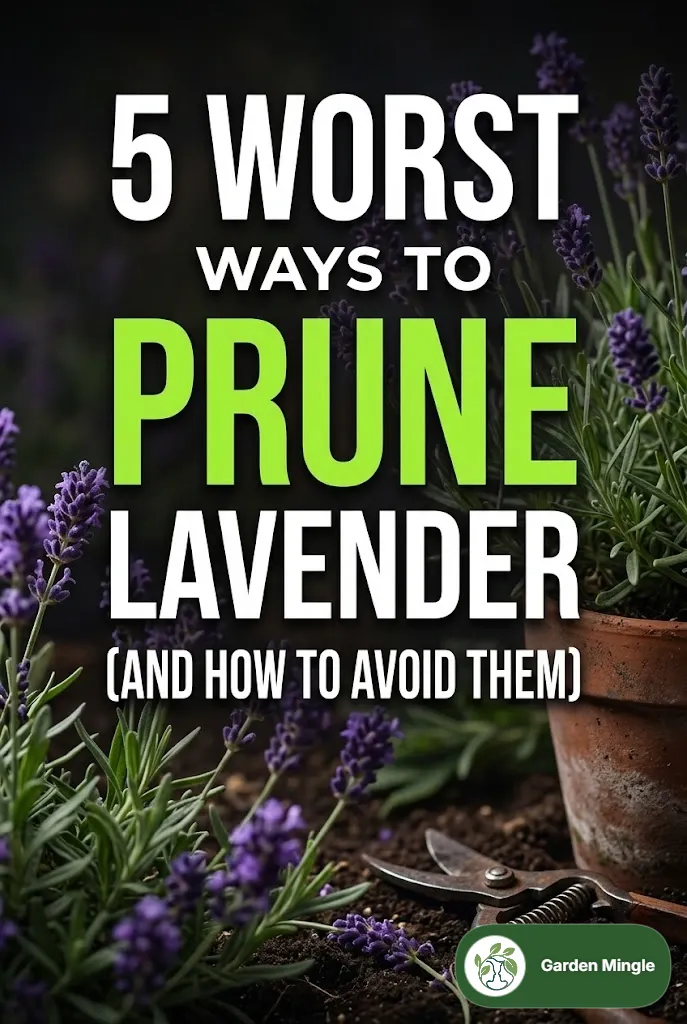
Lavender is a beloved plant for many gardeners, thanks to its fragrant blooms and versatile uses. However, pruning lavender can be a bit tricky. While proper pruning encourages healthy growth and abundant flowers, improper techniques can lead to stunted plants or even death. Many gardeners make common mistakes that can significantly impact their lavender’s health. Let’s dive into the five worst ways to prune lavender and explore how to avoid these pitfalls for a thriving, beautiful garden.
Quick Answer
The five worst ways to prune lavender include cutting too late in the season, pruning too deeply, neglecting to shape the plant, using dull tools, and failing to remove dead wood. Avoid these mistakes to promote healthy growth and vibrant blooms.
The Importance of Pruning Lavender
Before we discuss the mistakes to avoid, it’s essential to understand why pruning lavender is necessary. Regular pruning helps to:
- Encourage bushier growth
- Prevent woody stems
- Increase flower production
- Maintain a pleasing shape
When done correctly, pruning can extend the lifespan of your lavender plants and enhance their overall beauty.
1. Cutting Too Late in the Season
One of the most common mistakes is waiting too long to prune your lavender. If you prune in late summer or fall, you risk cutting the plant just before winter. This can expose fresh cuts to frost damage.
How to Avoid This Mistake
Prune lavender in early spring, just as new growth begins. This timing allows the plant to heal before facing the rigors of winter. A good rule of thumb is to prune after the last frost date in your area.
2. Pruning Too Deeply
Another frequent error is cutting lavender back too far. While it’s tempting to want to get rid of all the woody stems, cutting into the old wood can prevent new growth from emerging. Lavender has a hard time regenerating from old, woody stems.
How to Avoid This Mistake
When pruning, focus on cutting back about one-third to one-half of the plant’s height. Always make your cuts above the green, leafy growth, avoiding the woody stems. This encourages new growth while maintaining the plant’s structure.
3. Neglecting to Shape the Plant
Many gardeners make the mistake of simply hacking at the plant without considering its shape. Neglecting to shape lavender can lead to an unattractive, sprawling appearance and uneven growth.
How to Avoid This Mistake
When pruning, take a step back and assess the overall shape of the plant. Aim for a rounded form that promotes even growth. Use your hands or pruning shears to gently shape the plant, ensuring that it maintains a uniform silhouette.
4. Using Dull Tools
Using dull or dirty tools can lead to jagged cuts that harm the plant. This can create openings for pests and diseases to enter, compromising the health of your lavender.
How to Avoid This Mistake
Always use sharp, clean pruning shears. This ensures that your cuts are clean and precise, promoting faster healing for the plant. Consider sterilizing your tools with rubbing alcohol before each use to prevent the spread of diseases.
5. Failing to Remove Dead Wood
Many gardeners overlook the importance of removing dead or damaged wood during the pruning process. Leaving this material on the plant can hinder growth and invite pests.
How to Avoid This Mistake
During your pruning session, take the time to inspect the plant closely. Remove any dead or damaged stems at the base to encourage healthy new growth. This not only improves the plant’s appearance but also its overall health.
Pinterest-Style Ideas for Pruning Lavender
Looking for visual inspiration? Here are some creative ways to think about pruning lavender:
- Before and After Photos: Showcase your lavender transformation, highlighting the difference proper pruning makes.
- Color-Coded Labels: Use colored tags to mark the areas you’ve pruned for visual appeal.
- Garden Journals: Document your pruning process and outcomes each year to track your lavender’s growth.
- Pruning Party: Invite friends over for a fun pruning day while sharing tips and tricks!
Expert Tips for Successful Lavender Pruning
- Know Your Lavender Variety: Different types of lavender may require different pruning techniques. Familiarize yourself with the specific needs of your variety.
- Consider Plant Location: If your lavender is in a windy area, you may want to prune a bit more conservatively to maintain its structure.
- Watch for New Growth: Use new growth as a guideline for where to cut to ensure you’re not cutting too deeply.
Common Questions About Pruning Lavender
How often should I prune my lavender?
Prune your lavender annually in early spring to maintain its shape and health.
Can I prune lavender in the fall?
It’s best to avoid fall pruning, as this can expose the plant to winter damage. Stick to early spring instead.
What tools do I need for pruning lavender?
A sharp pair of pruning shears and gloves are usually sufficient for most lavender pruning tasks.
Conclusion
Pruning lavender may seem daunting, but with a little knowledge and care, you can avoid common mistakes and keep your plants thriving. Remember to prune at the right time, avoid cutting too deeply, and shape your plants thoughtfully. With these tips, you’ll enjoy healthy, beautiful lavender plants that enhance your garden for years to come. So grab those shears and get to work—you’ll be amazed at the results!
Leave a Reply