
- Propagating Succulent Leaves in Water: The Definitive Guide - August 16, 2026
- Succulent Pot Size Guide: 8 Things You Need To Know - August 16, 2026
- How to Prune a Succulent? (Complete Guide) - August 16, 2026
Share the post "The 5 Worst Watering Errors That Destroy Watermelon Peperomias"
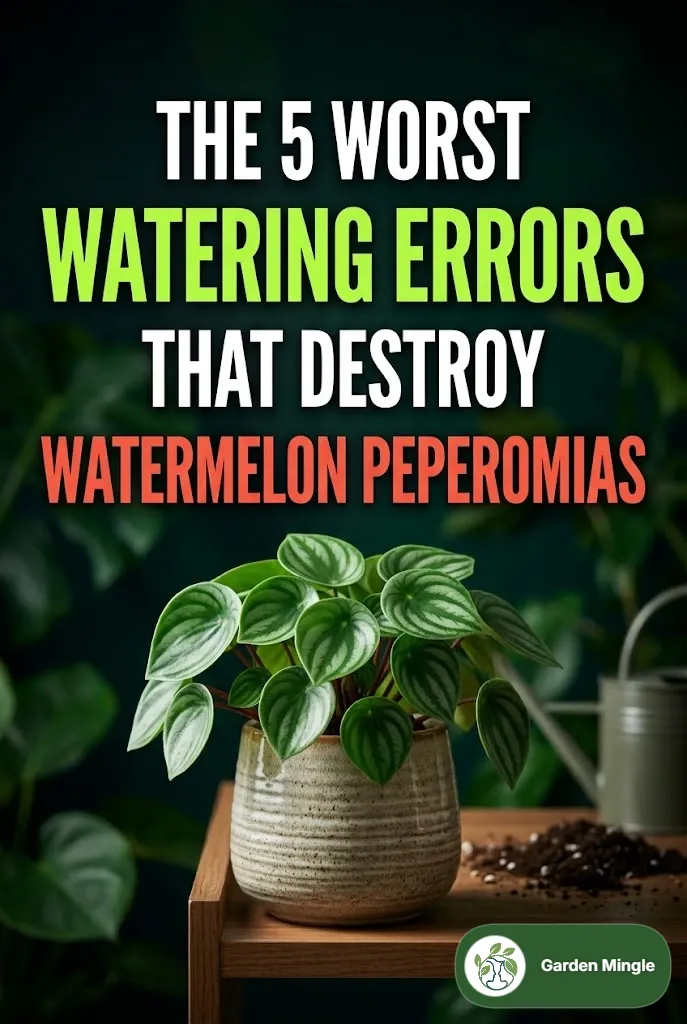
Watermelon Peperomias are beautiful houseplants known for their striking foliage and low maintenance requirements. However, despite their hardy nature, they can fall victim to common watering mistakes that can lead to disastrous consequences. If you’re eager to keep your Watermelon Peperomia thriving, understanding these watering errors is crucial. Let’s dive into the five worst watering errors that can destroy your beloved plant and how to avoid them.
Quick Answer
The five worst watering errors for Watermelon Peperomias include overwatering, underwatering, using the wrong water temperature, poor drainage, and not adjusting watering based on seasonal changes. Avoiding these mistakes ensures a healthy, vibrant plant.
1. Overwatering: The Silent Killer
Overwatering is perhaps the most common mistake made by plant enthusiasts, especially when it comes to Watermelon Peperomias. These plants prefer their soil to dry out between waterings. When soil remains too wet, roots can rot, leading to irreversible damage.
Signs of Overwatering
- Yellowing leaves
- Mushy stems
- Soil that remains soggy
How to Avoid Overwatering
- Check the soil moisture before watering. Insert your finger about an inch into the soil; if it feels damp, wait a few days before checking again.
- Use pots with drainage holes to allow excess water to escape.
- During the growing season, water thoroughly but infrequently.
2. Underwatering: The Hidden Threat
While overwatering can quickly lead to plant demise, underwatering is equally harmful. Watermelon Peperomias require consistent moisture to thrive, and neglecting their watering needs can lead to stress and wilting.
Signs of Underwatering
- Crispy, brown leaf edges
- Wrinkled leaves that feel thin
- Leaves dropping off the plant
How to Avoid Underwatering
- Establish a watering schedule that fits your plant’s needs, typically every 1-2 weeks.
- Adjust your watering routine based on environmental factors like humidity and temperature.
- Use a moisture meter to help determine when to water.
3. Using the Wrong Water Temperature
Water temperature can significantly affect your Watermelon Peperomia’s health. Using cold water straight from the tap can shock the plant and cause stress, hindering its growth.
Why Water Temperature Matters
Plants, including Watermelon Peperomias, thrive best when watered with room temperature water. Cold water can disrupt the root system, while water that is too hot can damage the plant.
How to Use the Right Water Temperature
- Let tap water sit out for a few hours before using it, allowing it to reach room temperature.
- Consider using filtered or rainwater, which is often at a more suitable temperature and free from chemicals.
4. Poor Drainage: A Recipe for Disaster
Even if you water correctly, poor drainage can lead to disastrous results for your Watermelon Peperomia. Without proper drainage, water can accumulate in the pot, leading to root rot and other issues.
Signs of Poor Drainage
- Soil remains wet for extended periods
- Unpleasant odors from the potting mix
- Visible mold or fungus on the soil surface
How to Ensure Proper Drainage
- Use a well-draining soil mix, such as a cactus or succulent blend.
- Choose pots with drainage holes and consider using a potting tray to catch excess water.
- Add perlite or sand to the soil mix to improve drainage.
5. Not Adjusting Watering Based on Seasonal Changes
Watering needs can change dramatically with the seasons. During the growing season (spring and summer), Watermelon Peperomias may require more frequent watering. However, in the fall and winter, they enter a dormant phase and need significantly less water.
Signs of Improper Seasonal Watering
- Leaf drop in the winter
- Excessively dry or overly wet soil
How to Adjust Watering for Seasons
- Monitor the plant’s growth cycle and adjust watering frequency accordingly.
- Reduce watering gradually as temperatures drop and days shorten.
- Keep an eye on environmental changes, such as indoor heating in winter, which can dry out the soil faster.
Expert Tips for Healthy Watermelon Peperomias
Beyond avoiding common watering errors, here are some expert tips to keep your Watermelon Peperomia flourishing:
- Rotate your plant regularly to ensure even light exposure.
- Dust leaves occasionally to maximize photosynthesis.
- Fertilize during the growing season with a balanced, diluted fertilizer every month.
Common Questions (FAQ)
How often should I water my Watermelon Peperomia?
Typically, every 1-2 weeks, depending on environmental conditions and pot size.
Can I use tap water for my Watermelon Peperomia?
Yes, but let it sit out for a few hours to reach room temperature and allow chlorine to dissipate.
What type of soil is best for Watermelon Peperomias?
A well-draining potting mix, ideally one made for succulents or cacti, works best.
Conclusion
By avoiding these five common watering errors, you can ensure your Watermelon Peperomia thrives and remains a stunning focal point in your home. Remember, understanding your plant’s needs and adjusting your care routine accordingly is key to nurturing a healthy, happy plant. Happy gardening!
Leave a Reply