
- Propagating Succulent Leaves in Water: The Definitive Guide - August 16, 2026
- Succulent Pot Size Guide: 8 Things You Need To Know - August 16, 2026
- How to Prune a Succulent? (Complete Guide) - August 16, 2026
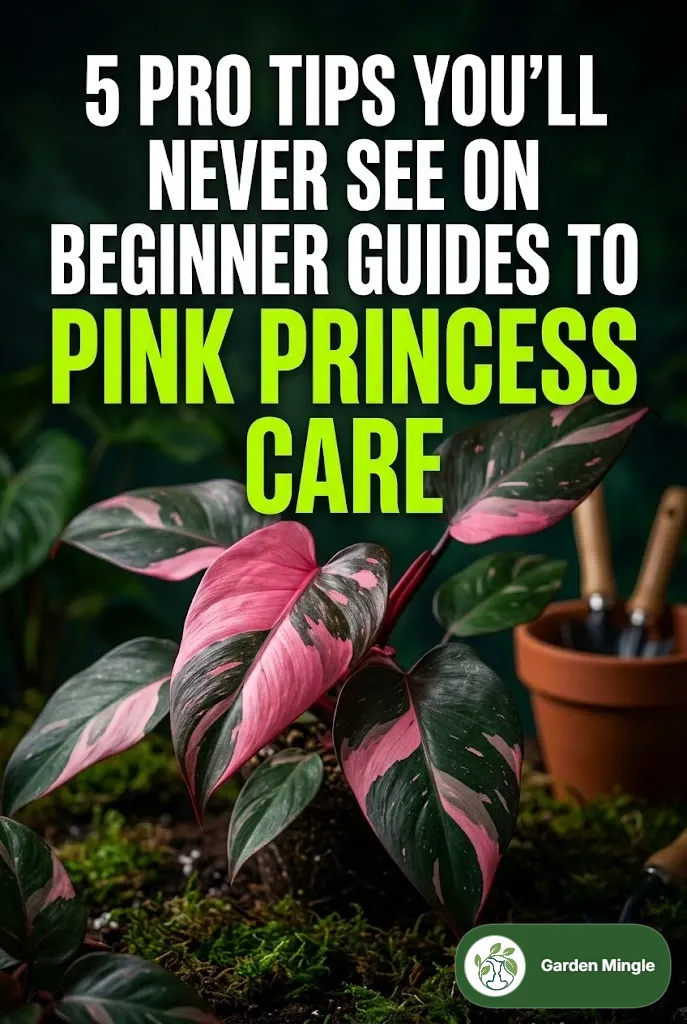
Share the post "5 Pro Tips You’ll Never See on Beginner Guides to Pink Princess Care"
When it comes to caring for the stunning Pink Princess Philodendron, many beginner guides focus on the basics: light, water, soil, and humidity. While these elements are crucial, there’s a wealth of lesser-known tips that can elevate your plant care game. These pro insights can help you nurture a thriving Pink Princess that dazzles with its unique pink variegation. Let’s dive into five expert tips that you won’t find in typical beginner guides.
Understanding the Pink Princess Philodendron
The Pink Princess Philodendron is a tropical plant native to the rainforests of South America. Its striking pink and green leaves make it a favorite among plant enthusiasts. However, to truly appreciate and care for this beauty, you need to go beyond the basics.
1. Monitor Your Plant’s Growth Pattern
One of the most overlooked aspects of Pink Princess care is understanding its growth pattern. Here’s how to effectively monitor and adapt to your plant’s needs:
Recognize Growth Stages
- Juvenile Stage: In this stage, the leaves are mostly green with minimal variegation. Patience is key as it matures.
- Mature Stage: Expect vibrant pink hues as it grows. This is when your care techniques will pay off.
Adjusting Care Based on Growth
As your Pink Princess matures, its light and watering needs may change. Be prepared to adjust your care routine accordingly. If you notice slower growth, consider increasing light exposure or altering your watering schedule.
2. Create a Dynamic Light Environment
While most guides suggest bright, indirect sunlight, pro growers know that light dynamics can make a significant difference in leaf coloration. Here are advanced light manipulation techniques:
Utilize Reflective Surfaces
Position your plant near reflective surfaces, such as mirrors or light-colored walls. This can enhance light availability without exposing your plant to harsh direct sunlight, which can scorch leaves.
Rotate Your Plant Regularly
To ensure even growth and variegation, rotate your Pink Princess every few weeks. This will allow all sides of the plant to receive equal light, promoting balanced leaf development.
3. Optimize Humidity with Subtle Adjustments
Humidity is vital for tropical plants, but it’s not just about keeping a high humidity level. Here’s how to take your humidity game to the next level:
Use a Humidity Tray
Instead of relying solely on a humidifier, create a humidity tray by placing pebbles in a shallow dish filled with water. Set your Pink Princess on top of the pebbles. As the water evaporates, it increases the local humidity around the plant without waterlogging the roots.
Group Plants Together
Grouping your Pink Princess with other humidity-loving plants can create a microclimate. The collective transpiration from multiple plants raises humidity levels naturally, benefiting all plants in the vicinity.
4. Master Fertilization Techniques
While many guides recommend a standard all-purpose fertilizer, Pink Princess plants thrive under specific nutrient conditions. Here’s how to refine your fertilization approach:
Choose the Right Fertilizer
- Balanced Fertilizer: A balanced fertilizer with equal parts nitrogen, phosphorus, and potassium will support overall growth.
- Micronutrients: Look for fertilizers that include micronutrients like magnesium and iron, which enhance variegation and leaf health.
Fertilize During Growing Season
Apply fertilizer every 4-6 weeks during the growing season (spring and summer). Reduce or cease fertilization in fall and winter when the plant’s growth slows down.
5. Pruning for Aesthetic and Health Benefits
Pruning isn’t just about keeping your plant looking good; it’s also essential for its health. Here’s how to prune effectively:
Remove Dead or Yellowing Leaves
Regularly inspect your Pink Princess for any dead or yellowing leaves. Removing these helps redirect energy to healthier parts of the plant and enhances airflow, reducing the risk of pests and diseases.
Encourage New Growth
To encourage bushier growth, consider pruning the tips of your plant. This will stimulate branching and lead to a fuller, more vibrant appearance. Aim to prune just above a leaf node for the best results.
Expert Tips
Here are some additional insider tips that can help you become a Pink Princess care pro:
- Be Patient: The Pink Princess may take time to show its beautiful variegation. Consistent care will eventually reward you with stunning foliage.
- Watch for Pests: Regularly check for common pests like spider mites and aphids. Early detection can save your plant from severe damage.
- Repot with Care: When repotting, choose a pot that’s only slightly larger than the current one. This prevents overwatering and root rot.
Common Questions (FAQ)
What is the ideal light condition for a Pink Princess?
Bright, indirect light is ideal. Avoid direct sunlight, which can scorch the leaves.
How often should I water my Pink Princess?
Water when the top inch of soil is dry. Adjust based on humidity and light conditions.
Can I propagate my Pink Princess?
Yes! You can propagate through stem cuttings in water or soil, ensuring each cutting has at least one leaf node.
Conclusion
By incorporating these pro tips into your Pink Princess care routine, you’ll not only enhance the health of your plant but also enjoy its beauty to the fullest. Remember, great gardening is about observation and adaptation. With patience and the right techniques, your Pink Princess will flourish, becoming a stunning focal point in your home. Embrace these insights, and watch your plant thrive in ways you never thought possible!
Leave a Reply