
- Propagating Succulent Leaves in Water: The Definitive Guide - August 16, 2026
- Succulent Pot Size Guide: 8 Things You Need To Know - August 16, 2026
- How to Prune a Succulent? (Complete Guide) - August 16, 2026
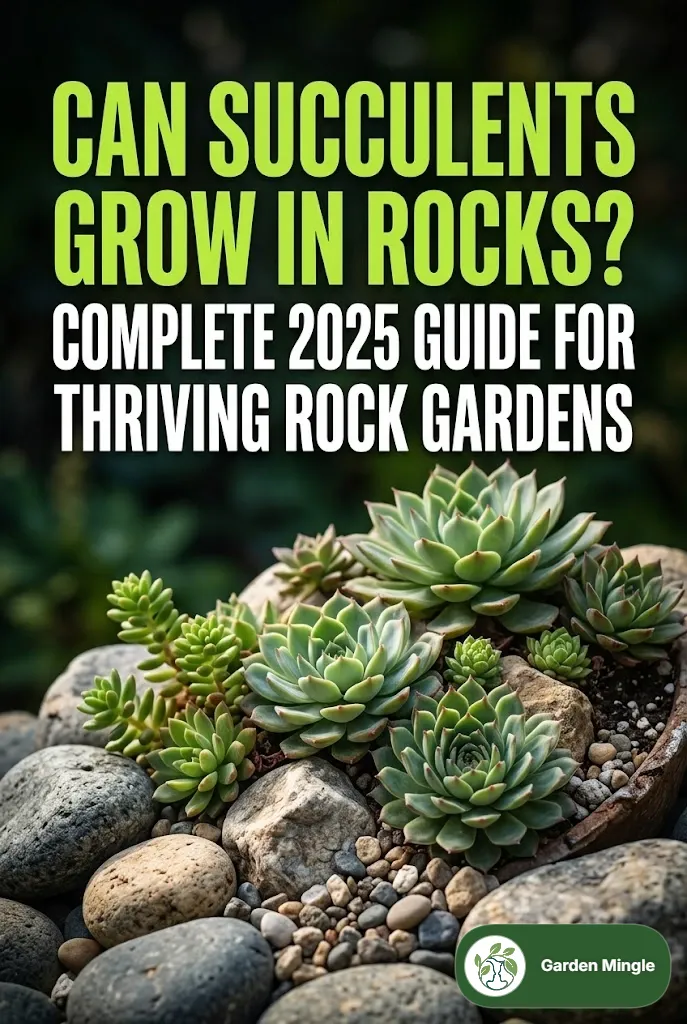
Share the post "Can Succulents Grow in Rocks? Complete 2025 Guide for Thriving Rock Gardens"
Creating a stunning rock garden filled with succulents can be both a rewarding and visually appealing project. However, many aspiring gardeners wonder if succulents can thrive in rocky environments. The good news is that succulents are well-adapted to such conditions, making them perfect candidates for rock gardens. This guide will delve into everything you need to know about growing succulents in rocks, including the right types of succulents to choose, essential care tips, and design inspiration to create a thriving rock garden.
Quick Answer
Yes, succulents can grow in rocks! They thrive in well-draining conditions, making rocky environments ideal. To ensure their success, choose the right succulent varieties and provide adequate care tailored to their needs.
Understanding Succulents and Their Adaptations
Succulents are fascinating plants that store water in their leaves, stems, or roots, allowing them to survive in arid conditions. Their natural habitats often include rocky or sandy soils, which makes them well-suited for rock gardens. Here’s why they perform well in this setting:
- Excellent Drainage: Rocks provide superior drainage, preventing water from pooling around succulent roots, which can lead to rot.
- Heat Retention: Rocks can absorb and retain heat during the day, creating a warm microclimate that succulents love.
- Minimal Nutrient Requirements: Succulents thrive in low-nutrient environments, making rocky soils a perfect fit.
Choosing the Right Succulents for Your Rock Garden
Not all succulents are created equal, so selecting the right varieties for your rock garden is essential. Here are some popular choices that thrive in rocky conditions:
1. Sedum
These hardy plants come in various shapes and sizes, making them versatile for rock gardens. They are drought-tolerant and can grow in poor soil.
2. Sempervivum (Hens and Chicks)
These rosette-forming succulents are perfect for rocky landscapes. They can survive harsh conditions and even spread to fill gaps in your garden.
3. Echeveria
Known for their stunning rosettes and wide variety of colors, Echeverias are a great choice for visual appeal in rock gardens.
4. Aeonium
These striking succulents have unique growth forms and thrive in well-drained rocky soil, adding a dramatic touch to your garden.
Designing Your Rock Garden
A well-designed rock garden can be a breathtaking addition to your home. Here’s how to create an inviting space for your succulents:
1. Choose the Right Location
Pick a sunny spot with good drainage. Succulents prefer at least 6 hours of sunlight daily, so avoid shaded areas.
2. Plan Your Layout
Consider varying the height of rocks to create visual interest. Use larger stones as a base and smaller rocks to fill in around the plants.
3. Select Complementary Rocks
Choose rocks that complement your succulents’ colors. Light-colored stones can brighten the area, while darker stones can provide a stunning contrast.
Step-by-Step Guide to Planting Succulents in Rocks
Follow these steps to successfully plant succulents in your rock garden:
- Gather Materials: Collect your chosen rocks, succulent plants, cactus soil (or a well-draining potting mix), and gardening tools.
- Prepare the Area: Clear the space of weeds and debris. If using larger rocks, arrange them as desired.
- Create Drainage Holes: If planting succulents directly into rocks, ensure they have adequate drainage. You can use rocks with natural crevices or drill holes into larger stones.
- Add Soil: Place a layer of cactus soil in the crevices or around the rocks where you plan to plant. This will provide nutrients while allowing water to drain.
- Plant Your Succulents: Remove succulents from their pots and place them in the soil. Ensure the roots are covered, but the leaves are above the soil level.
- Water Sparingly: After planting, water lightly to settle the soil. Allow the soil to dry out completely between waterings.
Care Tips for Succulents in Rock Gardens
Once your rock garden is established, proper care is essential for thriving succulents. Here are some tips to keep them healthy:
1. Watering
Water succulents only when the soil is dry. Overwatering is a common mistake that can lead to root rot.
2. Fertilizing
Use a diluted, balanced fertilizer during the growing season (spring and summer) to encourage growth. Avoid fertilizing in the fall and winter.
3. Pruning
Remove any dead or damaged leaves to promote air circulation and prevent pests.
Expert Tips for Thriving Rock Gardens
Here are some insider tips to elevate your rock garden:
- Mix Textures: Combine different succulent types to create a more dynamic look. Mixing colors and textures can make the garden visually appealing.
- Consider Seasonal Changes: Choose succulents that bloom at different times of the year for year-round interest.
- Use Mulch: Adding small gravel or pebbles around your plants can help retain moisture while preventing weeds.
Common Questions About Succulents and Rock Gardens
Can I use regular garden soil for succulents in rocks?
No, regular garden soil retains too much moisture. Use a well-draining soil mix designed for cacti and succulents.
How often should I water succulents in a rock garden?
Water only when the soil is completely dry, typically every 2-3 weeks, depending on the climate and season.
Can succulents survive winter in a rock garden?
Most succulents can survive mild winters, but it’s essential to provide protection from frost. Consider using mulch or bringing potted succulents indoors during harsh conditions.
Conclusion
Creating a rock garden filled with beautiful succulents is not only possible but also incredibly rewarding. By choosing the right varieties, designing thoughtfully, and providing proper care, you can cultivate a thriving environment that showcases these unique plants. Embrace your creativity, and enjoy the process of building a stunning rock garden that brings joy and beauty to your space.
Leave a Reply