
- Propagating Succulent Leaves in Water: The Definitive Guide - August 16, 2026
- Succulent Pot Size Guide: 8 Things You Need To Know - August 16, 2026
- How to Prune a Succulent? (Complete Guide) - August 16, 2026
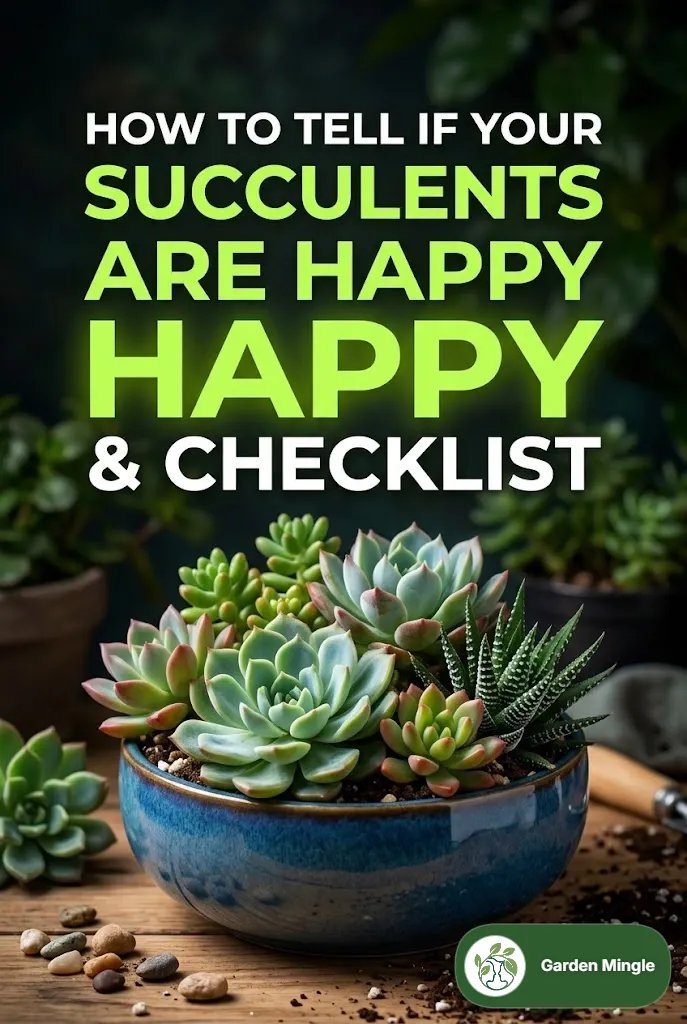
Share the post "How to Tell if your Succulents are Happy? Guide & Checklist"
Succulents have become a favorite among plant enthusiasts for their unique shapes, vibrant colors, and low maintenance needs. However, even these hardy plants can experience stress or unhappiness if not cared for properly. Understanding how to tell if your succulents are thriving is essential for ensuring they remain healthy and continue to flourish. In this guide, we’ll discuss key indicators of happy succulents, provide a helpful checklist, and offer tips to keep them in tip-top shape.
Quick Answer
Happy succulents are characterized by firm, plump leaves, vibrant colors, and steady growth. They should not show signs of wilting, discoloration, or pest infestations. Regular care and attention can help maintain their health.
Signs of Happy Succulents
To determine if your succulents are happy, observe them closely for the following signs:
1. Firm and Plump Leaves
Healthy succulents have thick, fleshy leaves that feel firm to the touch. If the leaves are wrinkled or soft, it may indicate that the plant is underwatered. Conversely, overly mushy leaves can be a sign of overwatering.
2. Vibrant Color
Happy succulents showcase their true colors. Look for bright greens, rich reds, or striking purples, depending on the variety. Dull or faded leaves can indicate stress, lack of sunlight, or nutrient deficiencies.
3. New Growth
Regular new growth is a great sign that your succulent is thriving. Look for fresh leaves or offsets sprouting from the base of the plant. This indicates that your plant is healthy and happy.
4. Root Health
If you want to dig deeper, check the roots by gently removing the plant from its pot. Healthy roots should be white or light tan, firm, and well-developed. Dark, mushy roots may indicate root rot, often caused by overwatering.
Essential Care Checklist
To ensure your succulents remain happy, follow this checklist:
- Watering: Water deeply but infrequently, allowing the soil to dry out between watering sessions.
- Light Exposure: Provide adequate sunlight, typically 6 hours of indirect light daily.
- Soil Type: Use well-draining soil specifically designed for succulents or cacti.
- Pot Choice: Choose pots with drainage holes to prevent water retention.
- Fertilizing: Fertilize during the growing season (spring and summer) with a balanced, diluted fertilizer.
- Pest Control: Regularly check for pests like mealybugs or aphids and treat them promptly.
Pinterest-Style Ideas for Succulent Happiness
Here are some creative ideas to enhance your succulent care routine and make your plants even happier:
- Stunning Displays: Create a succulent garden using various species for visual interest.
- Terrarium Fun: Design a mini terrarium with succulents, pebbles, and decorative items.
- DIY Planters: Get crafty! Use recycled materials like tin cans or glass jars as unique plant pots.
- Succulent Wall Art: Arrange succulents in a vertical garden to save space and add a pop of green.
- Seasonal Rotations: Rotate your succulents for optimal light exposure as seasons change.
Expert Tips for Thriving Succulents
Here are some insider tips to help your succulents flourish:
- Temperature Awareness: Keep succulents in a temperature range of 60-80°F (15-27°C) and avoid drafts.
- Humidity Check: Ensure low humidity levels, as succulents prefer dry air.
- Use the Right Watering Technique: Water early in the day to allow excess moisture to evaporate.
- Rotate Your Plants: Turn your pots occasionally to ensure even growth and exposure to sunlight.
Common Questions
1. How often should I water my succulents?
Water your succulents every 1-3 weeks, depending on the climate and humidity. Always let the soil dry out between watering sessions.
2. What type of soil is best for succulents?
A well-draining soil mix specifically designed for succulents or cacti is ideal. You can also make your own mix using potting soil, sand, and perlite.
3. Can I use regular fertilizer on my succulents?
It’s best to use a diluted fertilizer designed for succulents or cacti during the growing season to avoid burning the plants.
4. Why are my succulent leaves falling off?
Leaf drop can occur due to overwatering, underwatering, or stress from sudden temperature changes. Assess your care routine to identify the cause.
5. How can I propagate my happy succulents?
Many succulents can be propagated from leaf cuttings or offsets. Allow the cuttings to callus for a few days before placing them in soil.
Conclusion
Understanding the signs of happiness in your succulents is key to nurturing them effectively. By following the guidelines and checklist provided, you can create an environment where your plants thrive. Remember, a little attention goes a long way in ensuring your succulents remain vibrant and healthy. Embrace the joy of succulent gardening, and watch your little green companions flourish!
Leave a Reply