
- Propagating Succulent Leaves in Water: The Definitive Guide - August 16, 2026
- Succulent Pot Size Guide: 8 Things You Need To Know - August 16, 2026
- How to Prune a Succulent? (Complete Guide) - August 16, 2026
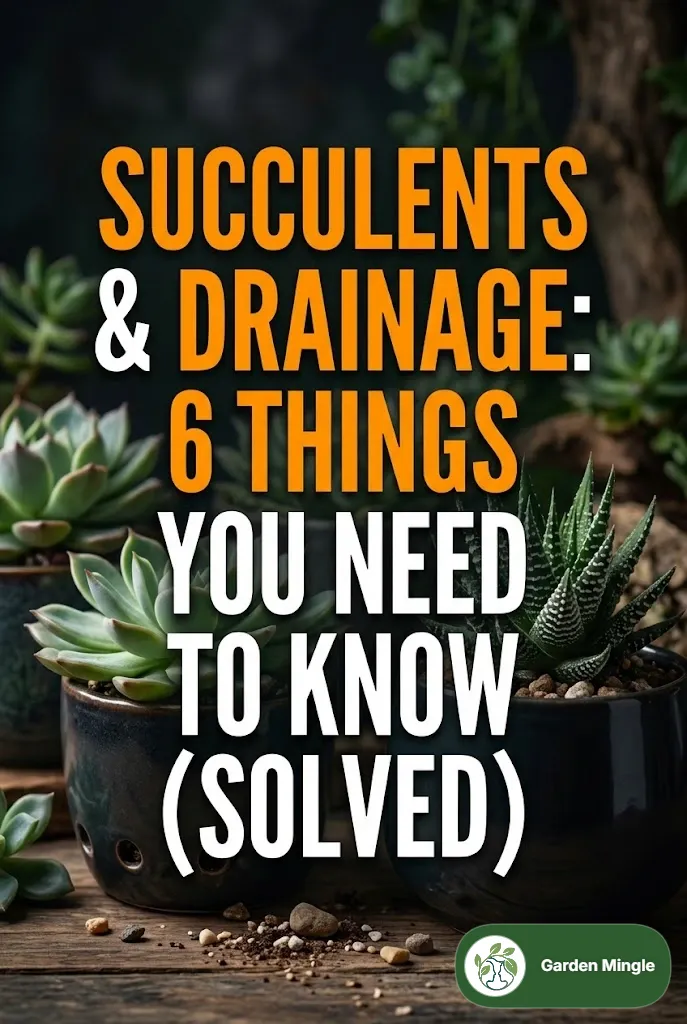
Share the post "Succulents & Drainage: 6 Things You Need To Know (Solved)"
Succulents have taken the gardening world by storm, charming plant lovers with their quirky shapes and vibrant colors. However, one common challenge many face is ensuring proper drainage for these resilient plants. Without the right drainage, even the hardiest succulent can suffer from root rot or other issues. Understanding the relationship between succulents and drainage can make all the difference in your gardening journey. Here are six essential things you need to know to keep your succulents thriving.
Quick Answer
Proper drainage is crucial for succulents to prevent overwatering and root rot. Use well-draining soil, select pots with drainage holes, and monitor your watering habits to ensure your succulents remain healthy and vibrant.
1. Why Drainage Matters for Succulents
Succulents are designed to store water in their leaves, stems, and roots, making them incredibly drought-tolerant. However, excess moisture can lead to serious problems. Here’s why drainage is so important:
- Prevents Root Rot: Succulents are vulnerable to root rot if left in saturated soil. Proper drainage allows excess water to escape.
- Encourages Healthy Growth: Good drainage promotes healthy root systems, allowing for better nutrient uptake.
- Prevents Pests: Standing water can attract pests and diseases, which can harm your plants.
2. Choosing the Right Pot
Selecting the right pot is a foundational step in ensuring proper drainage for your succulents. Here’s what to consider:
Material Matters
Pots made from materials like terracotta or unglazed ceramic are excellent choices. These materials allow air exchange and help wick away excess moisture.
Drainage Holes
Always opt for pots with drainage holes at the bottom. This simple feature allows water to escape, preventing oversaturation.
Size Considerations
A pot that is too large can hold excess soil and moisture, while one that is too small might not provide enough space for root growth. Aim for a pot that is slightly larger than the root ball of your succulent.
3. The Best Soil Mix for Succulents
The right soil mix is key to providing excellent drainage. Here are some factors to consider:
Store-Bought Mixes
Look for commercial cactus or succulent mixes, which are specifically designed to provide good drainage. These mixes often contain sand, perlite, or pumice.
DIY Soil Mix
If you prefer a homemade solution, consider blending:
- 1 part potting soil
- 1 part coarse sand
- 1 part perlite or pumice
This combination ensures that your soil retains some moisture while allowing excess water to escape easily.
4. Watering Techniques for Succulents
Watering succulents can be tricky. Here’s how to get it right:
Soak and Dry Method
The soak and dry method involves thoroughly watering your succulent until water drains out of the pot, then allowing the soil to dry out completely before watering again. This helps prevent overwatering.
Seasonal Adjustments
During the growing season (spring and summer), succulents may need more frequent watering. In contrast, reduce watering during their dormant period (fall and winter).
Check for Moisture
Before watering, check the soil moisture by sticking your finger about an inch deep into the soil. If it feels dry, it’s time to water!
5. Common Mistakes to Avoid
Even seasoned gardeners can make mistakes. Here are common pitfalls to watch out for:
- Overwatering: This is the most common mistake made with succulents. Always err on the side of caution.
- Using Heavy Soil: Avoid using regular potting soil, which can retain too much moisture.
- Neglecting Drainage: Forgetting to use pots with drainage holes can lead to disaster.
6. Pro Tips for Thriving Succulents
Here are some insider tips to help your succulents flourish:
- Group Plants: Grouping your succulents can create a microclimate, helping them retain moisture without becoming waterlogged.
- Use a Moisture Meter: For beginners, a moisture meter can take the guesswork out of watering.
- Inspect Regularly: Keep an eye on your plants for signs of distress, such as yellowing leaves or mushy stems.
Common Questions
1. How often should I water my succulents?
Watering frequency depends on the environment but generally, every 1-2 weeks is a good starting point. Always ensure the soil is dry before the next watering.
2. Can I use regular potting soil for succulents?
No, regular potting soil retains too much moisture. It’s best to use a cactus or succulent mix for optimal drainage.
3. What are the signs of overwatering?
Common signs include yellowing leaves, mushy stems, and a foul smell from the soil. If you notice these, reduce watering immediately.
Conclusion
Understanding the importance of drainage in succulent care is essential for any plant enthusiast. By choosing the right pots, using suitable soil, and adopting proper watering techniques, you can create a thriving environment for your succulents. Remember, these resilient plants thrive on a little care and attention. Happy gardening!
Leave a Reply