
- Propagating Succulent Leaves in Water: The Definitive Guide - August 16, 2026
- Succulent Pot Size Guide: 8 Things You Need To Know - August 16, 2026
- How to Prune a Succulent? (Complete Guide) - August 16, 2026
Many gardeners find themselves captivated by the beauty of succulents, with their vibrant colors and unique shapes. However, one common concern is whether these hardy plants are safe from the hungry mouths of deer. If you’ve ever spotted a deer in your neighborhood, you might be wondering if those cute creatures will munch on your precious succulents. Understanding the eating habits of deer can help you protect your garden and make informed choices about your plant selections.
Quick Answer
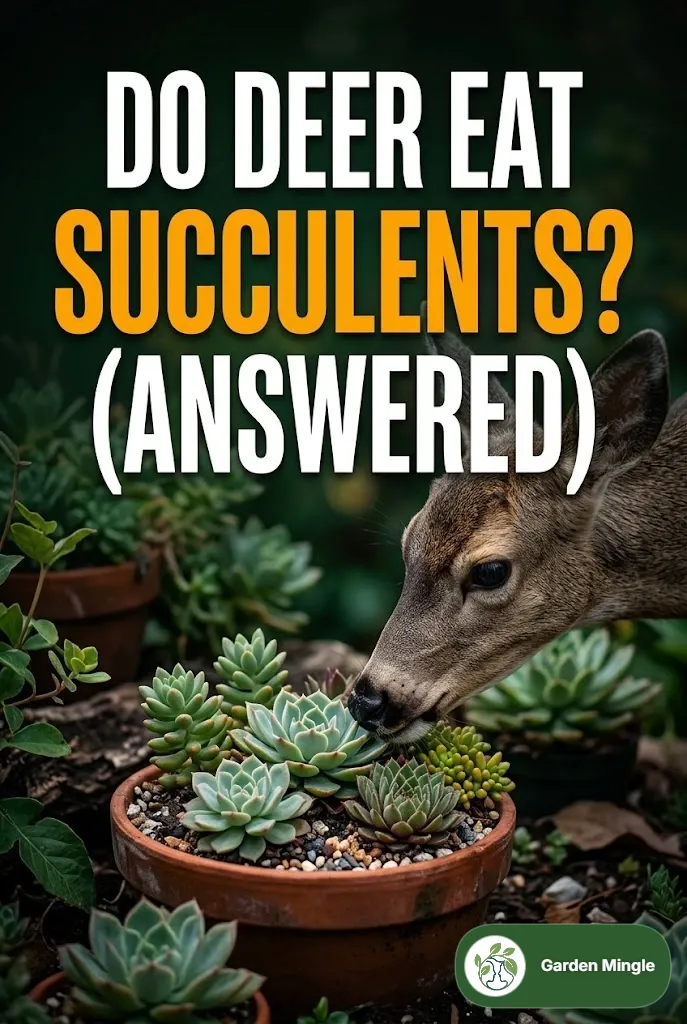
Yes, deer can eat succulents, but they are not typically their first choice. Deer prefer plants with softer leaves and more moisture. However, in times of food scarcity, they may nibble on succulents if other options aren’t available.
Understanding Deer Eating Habits
To effectively protect your succulents, it’s essential to understand what deer like to eat and when they might target your garden.
Preferred Food Sources
- Grasses: Deer often graze on grassy areas, especially in spring and summer.
- Soft Leaves: They favor young shoots and tender leaves from shrubs and trees.
- Fruits and Vegetables: Deer are attracted to gardens with ripe fruits and vegetables.
When Do Deer Eat Succulents?
Deer typically eat succulents as a last resort. Factors that may lead deer to munch on your succulents include:
- Seasonal Changes: In winter, when food is scarce, deer may resort to eating succulents.
- Garden Location: If your garden is near a deer habitat, they may venture in if other food sources are depleted.
- Overpopulation: In areas with a high deer population, they may explore less preferred food options.
Identifying Deer-Resistant Succulents
While no plant is entirely deer-proof, some succulents are less appealing to them due to their texture, taste, and water content. Here are some options that deer are less likely to eat:
- Aloe Vera: Its gel-filled leaves and bitter taste deter deer.
- Agave: The spiky leaves make it unappetizing to deer.
- Hens and Chicks (Sempervivum): These hardy plants are tough and unappealing.
- Stonecrop (Sedum): Their thick leaves and low water content make them less desirable.
Strategies to Protect Your Succulents
If you’re worried about deer snacking on your succulent collection, consider implementing these protective measures:
Physical Barriers
- Fencing: Install a fence at least 8 feet tall to keep deer out.
- Netting: Use garden netting to cover individual plants or beds.
- Row Covers: Lightweight row covers can deter deer while allowing sunlight in.
Repellents
Various repellents can make your succulents less appealing to deer:
- Commercial Deer Repellents: Look for sprays that contain ingredients like putrescent egg solids or garlic.
- Homemade Solutions: Create a spray using crushed red pepper, garlic, and water.
- Strong Scents: Planting herbs like rosemary or mint nearby can confuse deer with their scents.
Plant Companions
Companion planting with deer-resistant species can also help:
- Lavender: The strong fragrance can mask the scent of your succulents.
- Thyme: This herb is fragrant and can deter deer.
- Rosemary: Another aromatic herb that deer dislike.
Pinterest-Style Ideas for Succulent Arrangements
Creating visually appealing arrangements not only enhances your garden but can also divert deer attention. Here are some ideas to inspire your succulent displays:
- Layered Succulent Garden: Use different heights and textures to create layers, making the garden visually stunning.
- Succulent Wreaths: Craft unique wreaths using various succulents for a decorative touch.
- Hanging Planters: Elevate your succulents in hanging planters to keep them out of reach.
- Terrariums: Create mini ecosystems with succulents in glass containers, adding a decorative element to your home.
Expert Tips for Succulent Care
To keep your succulents healthy and thriving, consider these insider tips:
- Proper Watering: Succulents prefer to dry out between waterings. Overwatering can lead to root rot.
- Optimal Lighting: Ensure they receive plenty of bright, indirect sunlight for healthy growth.
- Soil Choice: Use well-draining soil specifically designed for succulents.
- Fertilizing: Fertilize sparingly during the growing season with a diluted cactus fertilizer.
Common Questions About Deer and Succulents
Do deer prefer certain types of succulents?
Yes, deer may prefer softer, more moist succulents if they are hungry, but they generally avoid those with thicker, spiny, or bitter leaves.
How can I tell if deer have been eating my succulents?
Look for jagged edges on leaves, deer tracks in the soil, or droppings nearby, which indicate their presence.
What are some other plants that deter deer?
Plants such as marigolds, daffodils, and junipers are known to repel deer due to their scent and taste.
Can deer damage my garden beyond eating succulents?
Yes, deer can also damage plants by trampling, rubbing their antlers against trees, or stripping bark from shrubs.
Conclusion
While deer may occasionally munch on succulents, understanding their eating habits and implementing protective strategies can help you keep your garden safe. By choosing deer-resistant varieties, using effective barriers, and creating visually appealing arrangements, you can enjoy your succulent collection without the worry of deer damage. Embrace the beauty of your garden while safeguarding your plants, and don’t hesitate to explore more resilient options!
Leave a Reply