
- Propagating Succulent Leaves in Water: The Definitive Guide - August 16, 2026
- Succulent Pot Size Guide: 8 Things You Need To Know - August 16, 2026
- How to Prune a Succulent? (Complete Guide) - August 16, 2026
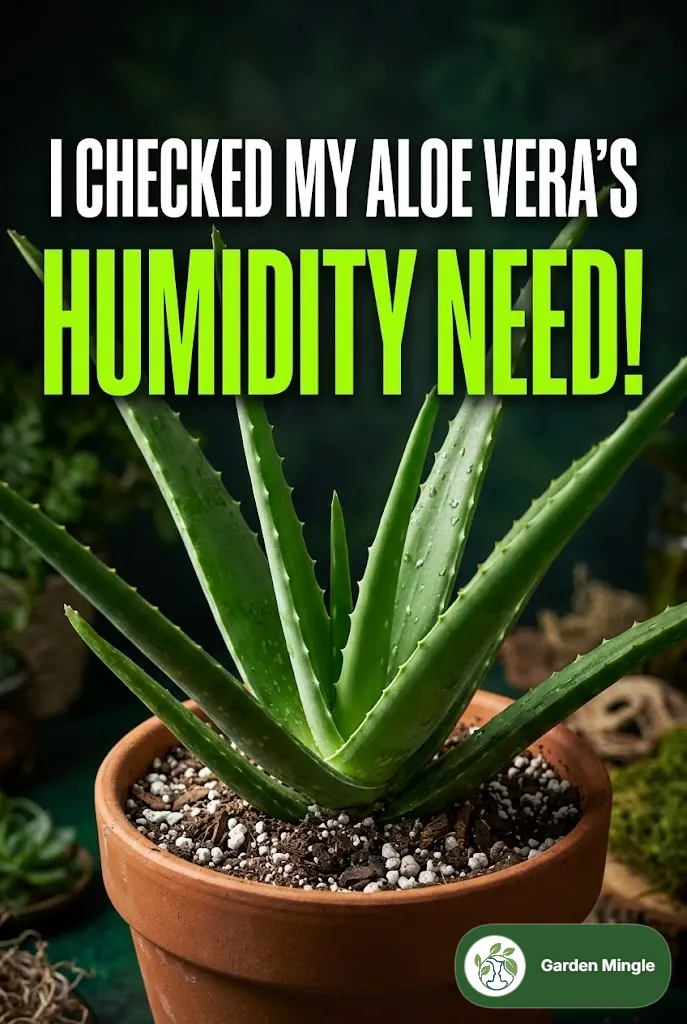
Aloe vera is a beloved houseplant known for its numerous health benefits and ease of care. However, many plant owners often overlook one critical factor that can significantly impact the growth and vitality of their aloe vera: humidity. It’s easy to assume that since they thrive in arid environments, aloe veras don’t need much humidity. But that’s not the whole story. Understanding the humidity needs of your aloe vera can help ensure it remains healthy and vibrant. Let’s dive into how to check and adjust the humidity for your aloe vera, ensuring it flourishes in your home.
Quick Answer
Aloe vera prefers humidity levels between 30% and 50%. While it tolerates lower humidity, maintaining this range promotes optimal growth and prevents issues such as dehydration or root rot.
Understanding Aloe Vera's Natural Environment
To care for your aloe vera, it’s essential to look at its natural habitat. Native to deserts, aloe vera thrives in dry, warm conditions with minimal humidity. However, this doesn’t mean it can’t benefit from a bit of moisture in the air. Here’s what you need to know:
1. Natural Habitat
- Aloe vera grows in arid regions with high temperatures and low humidity.
- It is adapted to store water in its thick leaves, allowing it to survive long periods without moisture.
2. Humidity Tolerance
- Aloe vera is resilient and can tolerate low humidity levels.
- However, maintaining humidity levels between 30% and 50% is ideal for healthy growth.
How to Check Humidity Levels
Knowing your home’s humidity levels is the first step in ensuring your aloe vera is thriving. Here are a few methods to check humidity:
1. Hygrometer
Using a hygrometer is the most accurate way to measure humidity. These devices are affordable and can be placed near your aloe vera plant to monitor the surrounding environment.
2. DIY Methods
- Water Glass Test: Fill a glass with water and place it in the area where your aloe vera is located. If the water evaporates quickly, you likely have low humidity.
- Feeling the Air: While not as precise, you can also gauge humidity by feeling the air. If it feels dry and your skin is often parched, the humidity is likely low.
Adjusting Humidity for Your Aloe Vera
If you find that the humidity levels are too low for your aloe vera, don’t worry! There are various ways to adjust the humidity in its environment:
1. Grouping Plants
Grouping your aloe vera with other plants can create a microclimate, increasing humidity through transpiration. This method is simple and effective, especially if you have multiple plants.
2. Pebble Trays
Place a tray filled with pebbles and water under the pot of your aloe vera. As the water evaporates, it will increase the humidity around the plant. Just make sure the pot isn’t sitting directly in the water to prevent root rot.
3. Misting
Lightly misting your aloe vera can temporarily raise humidity levels. However, be cautious not to overdo it, as excessive moisture can lead to fungal issues.
4. Humidifier
For those living in particularly dry climates, using a humidifier can be an excellent long-term solution. Set it near your aloe vera to maintain consistent humidity levels.
Common Mistakes to Avoid
<pWhen adjusting humidity for your aloe vera, keep these common pitfalls in mind:
- Overwatering: Many plant owners mistakenly believe that increasing humidity means they should water more often. This can lead to root rot, so always check the soil moisture before watering.
- Neglecting Air Circulation: Increasing humidity without proper air circulation can create a breeding ground for mold and pests. Ensure your aloe vera has good airflow.
- Ignoring Temperature: Humidity and temperature go hand in hand. Ensure that your aloe vera is kept in a warm environment, as cold drafts can stress the plant.
Expert Tips for Thriving Aloe Vera
Here are some insider tips to ensure your aloe vera remains healthy and happy:
- Rotate Your Plant: Aloe vera tends to lean towards light sources. Rotating your plant every few weeks can help it grow evenly.
- Use Well-Draining Soil: A good potting mix is crucial. Use a cactus or succulent mix that allows excess moisture to escape.
- Fertilization: While aloe vera doesn’t need much fertilizer, a diluted cactus fertilizer during the growing season can support its growth.
Common Questions
1. Can aloe vera survive in low humidity?
Yes, aloe vera can survive in low humidity, but it thrives best in conditions between 30% and 50% humidity.
2. How often should I mist my aloe vera?
Misting should be done sparingly. Aim for once a week or less, depending on the surrounding humidity levels.
3. What are the signs of low humidity in aloe vera?
Signs include browning leaf tips, wilting, or a general lack of growth.
4. Is it necessary to use a humidifier for aloe vera?
It’s not necessary, but if you live in a very dry environment, a humidifier can help maintain optimal humidity levels.
Conclusion
Understanding your aloe vera’s humidity needs can make a significant difference in its health and vitality. By checking humidity levels and making adjustments where necessary, you can create an ideal environment for your beloved plant. Remember, a little attention goes a long way in ensuring your aloe vera remains a thriving and beneficial part of your home. Happy gardening!
Leave a Reply