
- Propagating Succulent Leaves in Water: The Definitive Guide - August 16, 2026
- Succulent Pot Size Guide: 8 Things You Need To Know - August 16, 2026
- How to Prune a Succulent? (Complete Guide) - August 16, 2026
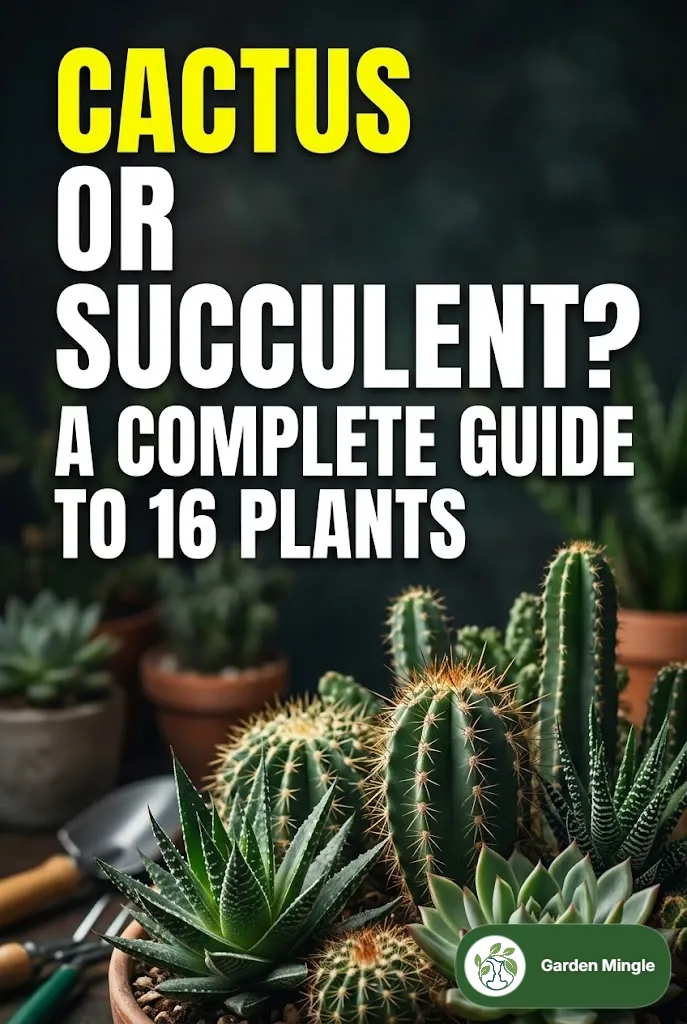
Choosing between cacti and succulents can be a perplexing task for many plant enthusiasts. Both types of plants are known for their resilience and unique beauty, but they have distinct characteristics that set them apart. This guide will help you understand the differences, provide insights into their care, and introduce you to 16 amazing plants to consider for your collection. Whether you’re a seasoned gardener or a beginner, you’ll find valuable information that makes choosing the right plant easy and enjoyable.
Quick Answer
Cacti are a type of succulent specifically adapted to arid environments, featuring spines instead of leaves. Succulents encompass a broader category of plants that store water in their leaves, stems, or roots, making them drought-resistant. Understanding these differences helps in identifying and caring for each type.
Understanding Cacti and Succulents
What Are Cacti?
Cacti belong to the family Cactaceae and are primarily found in the Americas. They are characterized by their unique adaptations to dry environments:
- Spines: Instead of leaves, cacti have spines that reduce water loss.
- Stem Structure: Their thick, fleshy stems store water, allowing them to thrive in arid conditions.
- Flowers: Cacti often produce stunning, large flowers that bloom for a short period.
What Are Succulents?
Succulents, on the other hand, include a wide range of plants across multiple families, not just cacti. Key features include:
- Water Storage: Succulents store water in their leaves, stems, or roots, making them resilient to drought.
- Diverse Shapes and Sizes: They come in various forms, from rosettes to trailing vines.
- Variety of Families: Succulents belong to different plant families, such as Crassulaceae and Euphorbiaceae.
16 Amazing Cacti and Succulents to Consider
1. Echinopsis (Easter Cactus)
This stunning cactus produces vibrant flowers in various colors, making it a perfect choice for indoor spaces. It thrives in bright, indirect light and needs minimal watering.
2. Opuntia (Prickly Pear)
Known for its flat pads and edible fruit, prickly pear cacti are hardy and can tolerate poor soil. They enjoy full sun and require well-draining soil.
3. Aloe Vera
Aloe is a popular succulent known for its healing properties. It prefers bright light and can be watered every two to three weeks, allowing the soil to dry out between waterings.
4. Sedum (Stonecrop)
This hardy succulent comes in various shapes and sizes, making it versatile for gardens and containers. It thrives in full sun and well-draining soil, requiring little water.
5. Mammillaria (Pincushion Cactus)
These small cacti are famous for their round shape and spines. They produce beautiful flowers and prefer bright light with minimal watering.
6. Haworthia
Haworthia species are small succulents known for their unique leaf patterns and textures. They thrive in indirect light and need infrequent watering.
7. Ferocactus (Barrel Cactus)
Ferocactus is known for its barrel shape and prominent spines. These cacti can grow quite large and need full sun and well-draining soil.
8. Crassula (Jade Plant)
The jade plant is a popular succulent known for its thick, glossy leaves. It prefers bright light and can survive long periods without water.
9. Gymnocalycium (Chin Cactus)
This cactus is well-known for its colorful flowers and spherical shape. It thrives in bright light and needs minimal watering.
10. Senecio (String of Pearls)
A unique trailing succulent, string of pearls has round, bead-like leaves. It does well in bright, indirect light and requires careful watering to prevent rot.
11. Echeveria
Echeveria is a popular succulent variety known for its rosette shape and vibrant colors. They prefer bright light and need watering when the soil is completely dry.
12. Parodia (Ball Cactus)
This small, round cactus is easy to care for and produces beautiful yellow flowers. It thrives in bright light and requires infrequent watering.
13. Lithops (Living Stones)
Lithops are fascinating succulents that mimic stones, making them excellent for unique displays. They need bright light and minimal water.
14. Aloe Aristata (Buffalo Aloe)
This variety of aloe has thick, spiky leaves with white flecks. It thrives in bright light and requires infrequent watering.
15. Rhipsalis (Mistletoe Cactus)
Rhipsalis is a unique cactus that thrives in hanging baskets. It prefers indirect light and requires a bit more moisture than typical cacti.
16. Kalanchoe
Kalanchoe is known for its colorful flowers and thick leaves. It prefers bright light and needs watering when the soil is dry.
Expert Tips for Caring for Cacti and Succulents
- Watering: Both cacti and succulents prefer to be underwatered rather than overwatered. Allow the soil to dry completely between waterings.
- Soil: Use well-draining soil, such as cactus mix or a combination of potting soil and sand.
- Lighting: Most cacti and succulents prefer bright, indirect sunlight. Avoid direct sunlight during the hottest part of the day.
- Fertilizing: During the growing season (spring and summer), fertilize with a diluted cactus or succulent fertilizer every month.
Common Questions
1. Can I use regular potting soil for cacti and succulents?
Regular potting soil retains too much moisture. It’s best to use a soil mix specifically designed for cacti and succulents.
2. How often should I water my cactus or succulent?
Watering frequency depends on the environment but generally every 2-3 weeks during the growing season and less in winter.
3. Do cacti and succulents need direct sunlight?
While many thrive in bright light, direct sunlight can scorch some varieties. It’s best to provide bright, indirect light.
4. How can I tell if my plant is getting too much water?
Signs of overwatering include yellowing leaves and mushy stems. If you notice these, cut back on watering immediately.
5. Are there any pests that affect cacti and succulents?
Yes, common pests include mealybugs and aphids. Regularly inspect your plants and use insecticidal soap if necessary.
Conclusion
Choosing between cacti and succulents doesn’t have to be overwhelming. By understanding their unique characteristics and care requirements, you can cultivate a thriving indoor garden or outdoor landscape filled with these delightful plants. Whether you opt for the stunning blooms of cacti or the diverse forms of succulents, both can bring joy and beauty to your space. Happy gardening!
Leave a Reply