
- Propagating Succulent Leaves in Water: The Definitive Guide - August 16, 2026
- Succulent Pot Size Guide: 8 Things You Need To Know - August 16, 2026
- How to Prune a Succulent? (Complete Guide) - August 16, 2026
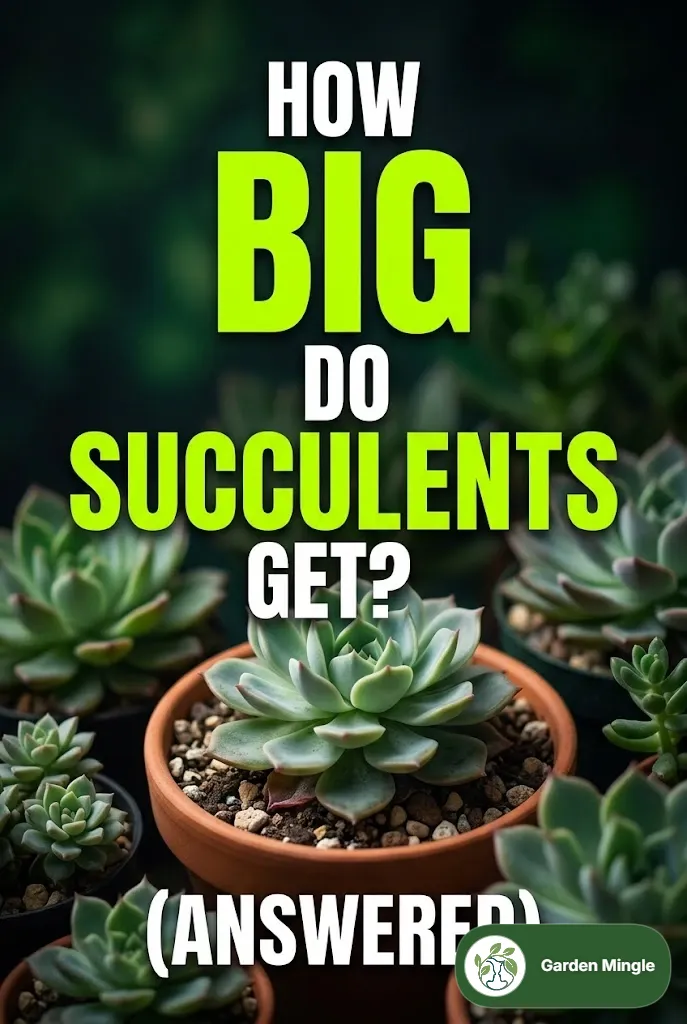
Succulents are beloved for their unique shapes, vibrant colors, and low-maintenance care requirements. Yet, one question that often arises among plant enthusiasts is, “How big do succulents get?” Understanding the growth potential of these hardy plants can help you plan your garden or indoor space better. Whether you’re curious about tiny varieties that fit on a windowsill or larger species that make a statement in your living room, this guide will cover all aspects of succulent growth.
Quick Answer
Succulents can vary significantly in size. Most indoor varieties typically grow between 2 to 12 inches tall, while outdoor species can reach up to 3 feet or more, depending on the specific type and growing conditions.
Understanding Succulent Growth
Succulents are a diverse group of plants characterized by their thick, fleshy tissues that store water. Their growth size can depend on various factors, including species type, environmental conditions, and care techniques. Here’s a deeper dive into what influences their size.
1. Species Variation
Different succulent species have unique growth patterns. Here are some popular types and their typical sizes:
- Echeveria: Often grows to about 6 to 12 inches wide.
- Aloe Vera: Can reach heights of 1 to 3 feet.
- Jade Plant (Crassula ovata): May grow up to 3 feet tall indoors.
- Haworthia: Generally remains small, around 3 to 5 inches.
- Agave: Can grow quite large, reaching up to 6 feet wide.
2. Growing Conditions
The environment where your succulent is placed can significantly influence its growth. Here are key factors:
- Light: Most succulents thrive in bright, indirect sunlight. Adequate light encourages healthy growth.
- Soil: Well-draining soil is essential. Poor soil can lead to root rot and stunted growth.
- Water: Overwatering can hinder growth, while underwatering might lead to smaller plants. Balance is key.
Growth Patterns of Common Succulents
Let’s explore some popular succulents in more detail, including their average sizes and growth habits.
Echeveria
Echeveria plants are known for their rosette shape and vibrant colors. They typically remain compact, growing to about 6 to 12 inches in diameter. Under ideal conditions, they can produce offsets, allowing them to expand in number without significantly increasing size.
Aloe Vera
Aloe Vera is famous for its medicinal properties. This succulent can grow from 1 to 3 feet tall, especially when planted outdoors. With proper care, it can develop a bushy appearance, making it a stunning focal point in any garden.
Jade Plant (Crassula Ovata)
Jade plants are popular houseplants that can reach heights of up to 3 feet indoors, given the right conditions. They grow relatively slowly but can become quite large if cared for properly and repotted regularly.
Agave
Agave species are known for their dramatic appearance and can grow quite large, reaching 6 feet or more in diameter. They require ample space to thrive, making them ideal for outdoor gardens or large indoor spaces.
Tips for Managing Succulent Size
If you want to control the size of your succulents, here are some effective tips:
- Choose the Right Container: Smaller pots can limit growth and keep your succulents petite.
- Regular Pruning: Trim off dead or overgrown leaves to encourage a fuller, more compact shape.
- Control Watering: Overwatering can lead to leggy plants. Ensure proper watering to maintain desired size.
Pinterest-Style Ideas for Displaying Succulents
If you’re looking for creative ways to display your succulents, consider these inspiring ideas:
- Succulent Wall Art: Create a living wall by planting various succulents in a vertical garden.
- Terrariums: Use glass containers to house mini succulents, creating a stunning centerpiece.
- Hanging Planters: Elevate your space with succulents in hanging pots for a unique visual appeal.
- Succulent Garden Arrangements: Mix and match different sizes and colors in a single pot for a vibrant display.
Expert Tips for Healthy Succulent Growth
Here are some insider tips to help your succulents grow to their fullest potential:
- Rotate Regularly: Rotating your plants can ensure even light exposure, promoting uniform growth.
- Use a Fertilizer: During the growing season, use a diluted cactus fertilizer to boost growth.
- Monitor Pests: Keep an eye out for pests like mealybugs and aphids that can hinder growth.
Common Questions (FAQ)
1. How fast do succulents grow?
Succulents generally grow slowly, with many species taking several years to reach their full size. Factors like species and growing conditions can affect growth rates.
2. Can I keep succulents small?
Yes, you can manage the size of succulents by selecting smaller pots, pruning regularly, and providing controlled watering.
3. Do succulents need to be repotted?
Yes, succulents should be repotted every couple of years or when they outgrow their container to encourage healthy growth.
4. Why are my succulents not growing?
Common reasons for lack of growth include inadequate light, poor soil drainage, or overwatering. Assess these factors to encourage growth.
5. Can succulents be grown indoors?
Absolutely! Many succulents thrive indoors as long as they receive enough light and are planted in well-draining soil.
Conclusion
Understanding the growth potential of succulents is key to creating a thriving garden or indoor space. From tiny Echeverias to towering Agaves, there’s a succulent for every space and style. By considering factors like species type, light, and care, you can enjoy healthy, beautiful succulents that fit perfectly into your home or garden. So, go ahead and explore the wonderful world of succulents!
Leave a Reply